Can Axolotls See Color
How Axolotls Perceive Their World Axolotl vision has poor visual acuity, meaning they struggle to discern fine details. They can distinguish clear shapes and silhouettes only when objects are within approximately 30 centimeters. Their color perception is limited; research suggests they possess trichromatic vision, allowing them to perceive blue, green, and red wavelengths, but with fewer cone.
Additionally, axolotls are very sensitive to changes in temperature and can detect even the slightest change in their surroundings. Overall, axolotls have a very keen sense of their surroundings and are able to adapt quickly to changes. Do they see in color? The short answer is yes, axolotls do see in color.
When it comes to understanding the fascinating world of axolotls, one of the most intriguing questions that often arises is: what colors can axolotls see? As one of the most unique and captivating creatures in the animal kingdom, axolotls have long fascinated scientists, pet owners, and enthusiasts alike.
How Much Can An Axolotl See? When it comes to the world of vision, axolotls don't quite make the cut for being the champions of clarity. Their eyesight, while functional, falls short compared to the precision of human or certain animal eyes. It's like wearing slightly foggy goggles all the time.

Axolotls have limited color vision. Their eyes are more sensitive to certain wavelengths, primarily allowing them to differentiate between light and dark rather than seeing a full spectrum of colors.
Additionally, axolotls have excellent depth perception, thanks to the slight overlap in their field of vision. Although axolotls have relatively small eyes, their visual acuity is surprisingly good. They have excellent color vision and can distinguish between different shades and hues.
When it comes to understanding the fascinating world of axolotls, one of the most intriguing questions that often arises is: what colors can axolotls see? As one of the most unique and captivating creatures in the animal kingdom, axolotls have long fascinated scientists, pet owners, and enthusiasts alike.
Additionally, axolotls are very sensitive to changes in temperature and can detect even the slightest change in their surroundings. Overall, axolotls have a very keen sense of their surroundings and are able to adapt quickly to changes. Do they see in color? The short answer is yes, axolotls do see in color.
Axolotl Color Guide: How To Pick The Right Axolotl Colors For You!
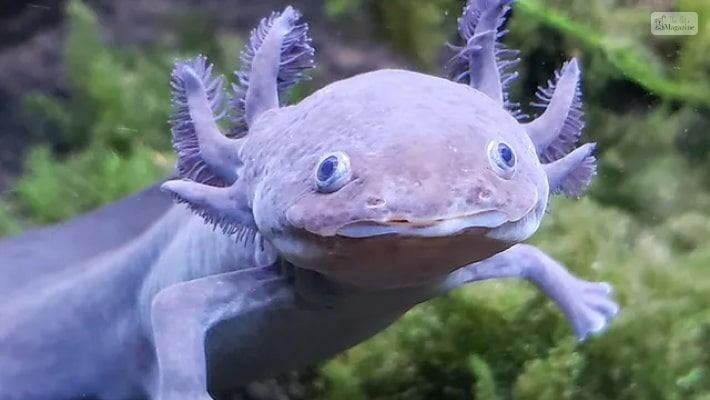
Axolotls can perceive colors, but their range is limited compared to humans. They possess the ability to distinguish between certain hues, primarily in the blue spectrum. Research suggests they have cone cells in their eyes, enabling vision in low-light conditions and discernment of shades, albeit within a restricted color palette.
Additionally, axolotls have excellent depth perception, thanks to the slight overlap in their field of vision. Although axolotls have relatively small eyes, their visual acuity is surprisingly good. They have excellent color vision and can distinguish between different shades and hues.
Even though axolotls can't see that well, it has been discovered that their eyesight is only slightly better than a human's. While they can see, they often have trouble distinguishing between different colors and picking up on smaller details.
When it comes to understanding the fascinating world of axolotls, one of the most intriguing questions that often arises is: what colors can axolotls see? As one of the most unique and captivating creatures in the animal kingdom, axolotls have long fascinated scientists, pet owners, and enthusiasts alike.
Why Do Axolotls Change Colors? / Fascinating Facts #61| Why Things ...

Axolotls have excellent color vision and can see in the red, green, blue, and ultraviolet spectrums! Their eyes contain cone cells with photopigments that are sensitive to specific wavelengths of light, allowing them to distinguish between colors.
Final Verdict - Are Axolotls Blind So in conclusion, what can we say about the are axolotls blind discussion. Well, first and foremost we've seen that even though axolotls have very poor eyesight, not all of them are blind. They can also differentiate colors though their ability to do this is also limited. Are Axolotls Blind.
When it comes to understanding the fascinating world of axolotls, one of the most intriguing questions that often arises is: what colors can axolotls see? As one of the most unique and captivating creatures in the animal kingdom, axolotls have long fascinated scientists, pet owners, and enthusiasts alike.
Additionally, axolotls have excellent depth perception, thanks to the slight overlap in their field of vision. Although axolotls have relatively small eyes, their visual acuity is surprisingly good. They have excellent color vision and can distinguish between different shades and hues.
Axolotl Color Guide: How To Pick The Right Axolotl Colors For You!
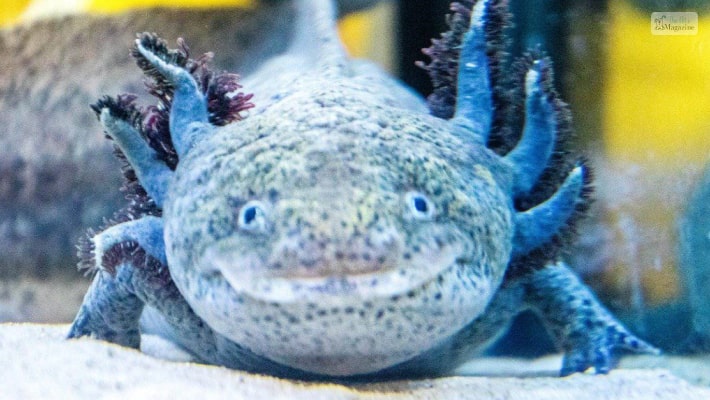
How Much Can An Axolotl See? When it comes to the world of vision, axolotls don't quite make the cut for being the champions of clarity. Their eyesight, while functional, falls short compared to the precision of human or certain animal eyes. It's like wearing slightly foggy goggles all the time.
When it comes to understanding the fascinating world of axolotls, one of the most intriguing questions that often arises is: what colors can axolotls see? As one of the most unique and captivating creatures in the animal kingdom, axolotls have long fascinated scientists, pet owners, and enthusiasts alike.
Axolotls have excellent color vision and can see in the red, green, blue, and ultraviolet spectrums! Their eyes contain cone cells with photopigments that are sensitive to specific wavelengths of light, allowing them to distinguish between colors.
Additionally, axolotls have excellent depth perception, thanks to the slight overlap in their field of vision. Although axolotls have relatively small eyes, their visual acuity is surprisingly good. They have excellent color vision and can distinguish between different shades and hues.
Rare Axolotl Colors: Discover The Unique And Exotic Varieties

Additionally, axolotls are very sensitive to changes in temperature and can detect even the slightest change in their surroundings. Overall, axolotls have a very keen sense of their surroundings and are able to adapt quickly to changes. Do they see in color? The short answer is yes, axolotls do see in color.
Additionally, axolotls have excellent depth perception, thanks to the slight overlap in their field of vision. Although axolotls have relatively small eyes, their visual acuity is surprisingly good. They have excellent color vision and can distinguish between different shades and hues.
Axolotls have limited color vision. Their eyes are more sensitive to certain wavelengths, primarily allowing them to differentiate between light and dark rather than seeing a full spectrum of colors.
When it comes to understanding the fascinating world of axolotls, one of the most intriguing questions that often arises is: what colors can axolotls see? As one of the most unique and captivating creatures in the animal kingdom, axolotls have long fascinated scientists, pet owners, and enthusiasts alike.
Types Of Axolotls - A Guide To Different Color Morphs And Varieties
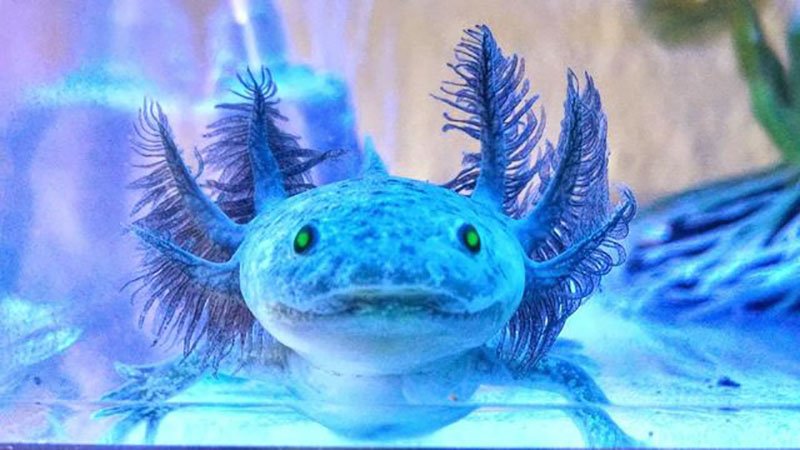
Axolotls have limited color vision. Their eyes are more sensitive to certain wavelengths, primarily allowing them to differentiate between light and dark rather than seeing a full spectrum of colors.
How Much Can An Axolotl See? When it comes to the world of vision, axolotls don't quite make the cut for being the champions of clarity. Their eyesight, while functional, falls short compared to the precision of human or certain animal eyes. It's like wearing slightly foggy goggles all the time.
Axolotls have excellent color vision and can see in the red, green, blue, and ultraviolet spectrums! Their eyes contain cone cells with photopigments that are sensitive to specific wavelengths of light, allowing them to distinguish between colors.
Final Verdict - Are Axolotls Blind So in conclusion, what can we say about the are axolotls blind discussion. Well, first and foremost we've seen that even though axolotls have very poor eyesight, not all of them are blind. They can also differentiate colors though their ability to do this is also limited. Are Axolotls Blind.
Axolotl Color Variations

Additionally, axolotls have excellent depth perception, thanks to the slight overlap in their field of vision. Although axolotls have relatively small eyes, their visual acuity is surprisingly good. They have excellent color vision and can distinguish between different shades and hues.
Final Verdict - Are Axolotls Blind So in conclusion, what can we say about the are axolotls blind discussion. Well, first and foremost we've seen that even though axolotls have very poor eyesight, not all of them are blind. They can also differentiate colors though their ability to do this is also limited. Are Axolotls Blind.
Axolotls have limited color vision. Their eyes are more sensitive to certain wavelengths, primarily allowing them to differentiate between light and dark rather than seeing a full spectrum of colors.
When it comes to understanding the fascinating world of axolotls, one of the most intriguing questions that often arises is: what colors can axolotls see? As one of the most unique and captivating creatures in the animal kingdom, axolotls have long fascinated scientists, pet owners, and enthusiasts alike.
Axolotle Colours | Caudata.org: Newts And Salamanders Portal
When it comes to understanding the fascinating world of axolotls, one of the most intriguing questions that often arises is: what colors can axolotls see? As one of the most unique and captivating creatures in the animal kingdom, axolotls have long fascinated scientists, pet owners, and enthusiasts alike.
Final Verdict - Are Axolotls Blind So in conclusion, what can we say about the are axolotls blind discussion. Well, first and foremost we've seen that even though axolotls have very poor eyesight, not all of them are blind. They can also differentiate colors though their ability to do this is also limited. Are Axolotls Blind.
Additionally, axolotls are very sensitive to changes in temperature and can detect even the slightest change in their surroundings. Overall, axolotls have a very keen sense of their surroundings and are able to adapt quickly to changes. Do they see in color? The short answer is yes, axolotls do see in color.
How Much Can An Axolotl See? When it comes to the world of vision, axolotls don't quite make the cut for being the champions of clarity. Their eyesight, while functional, falls short compared to the precision of human or certain animal eyes. It's like wearing slightly foggy goggles all the time.
13 Different Axolotl Colors And Their Morphs

How Axolotls Perceive Their World Axolotl vision has poor visual acuity, meaning they struggle to discern fine details. They can distinguish clear shapes and silhouettes only when objects are within approximately 30 centimeters. Their color perception is limited; research suggests they possess trichromatic vision, allowing them to perceive blue, green, and red wavelengths, but with fewer cone.
How Much Can An Axolotl See? When it comes to the world of vision, axolotls don't quite make the cut for being the champions of clarity. Their eyesight, while functional, falls short compared to the precision of human or certain animal eyes. It's like wearing slightly foggy goggles all the time.
Axolotls have limited color vision. Their eyes are more sensitive to certain wavelengths, primarily allowing them to differentiate between light and dark rather than seeing a full spectrum of colors.
When it comes to understanding the fascinating world of axolotls, one of the most intriguing questions that often arises is: what colors can axolotls see? As one of the most unique and captivating creatures in the animal kingdom, axolotls have long fascinated scientists, pet owners, and enthusiasts alike.
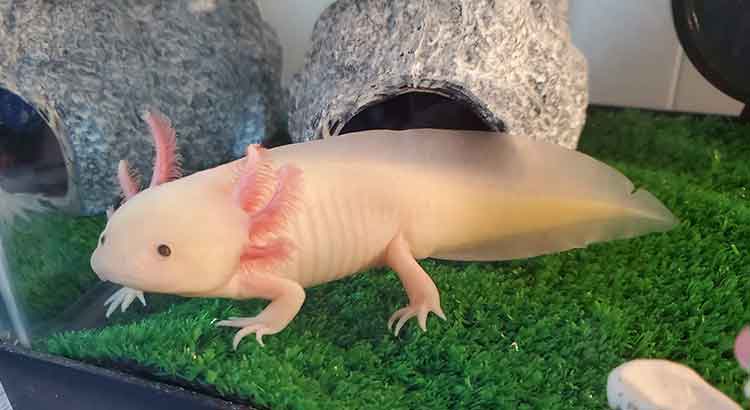
Axolotls have limited color vision. Their eyes are more sensitive to certain wavelengths, primarily allowing them to differentiate between light and dark rather than seeing a full spectrum of colors.
Even though axolotls can't see that well, it has been discovered that their eyesight is only slightly better than a human's. While they can see, they often have trouble distinguishing between different colors and picking up on smaller details.
How Much Can An Axolotl See? When it comes to the world of vision, axolotls don't quite make the cut for being the champions of clarity. Their eyesight, while functional, falls short compared to the precision of human or certain animal eyes. It's like wearing slightly foggy goggles all the time.
When it comes to understanding the fascinating world of axolotls, one of the most intriguing questions that often arises is: what colors can axolotls see? As one of the most unique and captivating creatures in the animal kingdom, axolotls have long fascinated scientists, pet owners, and enthusiasts alike.
18 Types Of Axolotl Colors You Can Own (Axolotl Color Guide) | ExoPetGuides

Additionally, axolotls have excellent depth perception, thanks to the slight overlap in their field of vision. Although axolotls have relatively small eyes, their visual acuity is surprisingly good. They have excellent color vision and can distinguish between different shades and hues.
When it comes to understanding the fascinating world of axolotls, one of the most intriguing questions that often arises is: what colors can axolotls see? As one of the most unique and captivating creatures in the animal kingdom, axolotls have long fascinated scientists, pet owners, and enthusiasts alike.
Final Verdict - Are Axolotls Blind So in conclusion, what can we say about the are axolotls blind discussion. Well, first and foremost we've seen that even though axolotls have very poor eyesight, not all of them are blind. They can also differentiate colors though their ability to do this is also limited. Are Axolotls Blind.
Axolotls have limited color vision. Their eyes are more sensitive to certain wavelengths, primarily allowing them to differentiate between light and dark rather than seeing a full spectrum of colors.
17 Fascinating Axolotl Colors: A Complete Guide To Colors Of Axolotls

Even though axolotls can't see that well, it has been discovered that their eyesight is only slightly better than a human's. While they can see, they often have trouble distinguishing between different colors and picking up on smaller details.
Additionally, axolotls have excellent depth perception, thanks to the slight overlap in their field of vision. Although axolotls have relatively small eyes, their visual acuity is surprisingly good. They have excellent color vision and can distinguish between different shades and hues.
Axolotls have limited color vision. Their eyes are more sensitive to certain wavelengths, primarily allowing them to differentiate between light and dark rather than seeing a full spectrum of colors.
How Axolotls Perceive Their World Axolotl vision has poor visual acuity, meaning they struggle to discern fine details. They can distinguish clear shapes and silhouettes only when objects are within approximately 30 centimeters. Their color perception is limited; research suggests they possess trichromatic vision, allowing them to perceive blue, green, and red wavelengths, but with fewer cone.
19 Types Of Axolotl With Color Variations And Traits
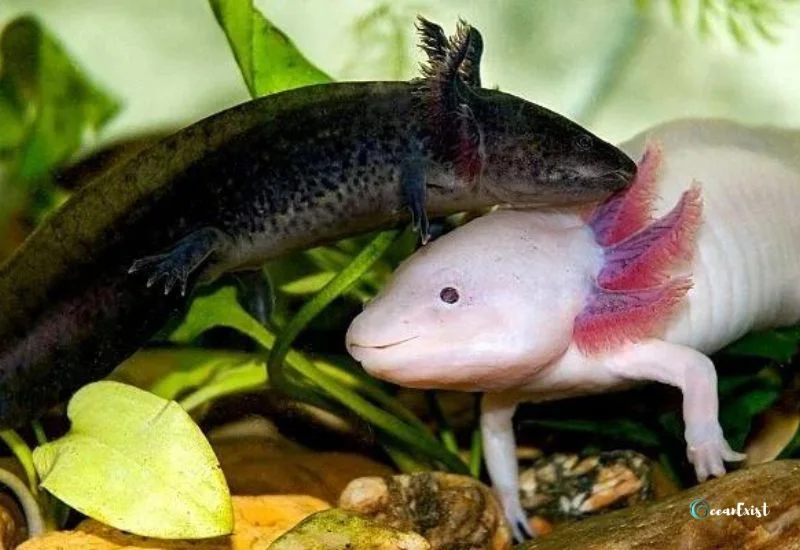
Axolotls have limited color vision. Their eyes are more sensitive to certain wavelengths, primarily allowing them to differentiate between light and dark rather than seeing a full spectrum of colors.
How Much Can An Axolotl See? When it comes to the world of vision, axolotls don't quite make the cut for being the champions of clarity. Their eyesight, while functional, falls short compared to the precision of human or certain animal eyes. It's like wearing slightly foggy goggles all the time.
Axolotls have excellent color vision and can see in the red, green, blue, and ultraviolet spectrums! Their eyes contain cone cells with photopigments that are sensitive to specific wavelengths of light, allowing them to distinguish between colors.
Additionally, axolotls have excellent depth perception, thanks to the slight overlap in their field of vision. Although axolotls have relatively small eyes, their visual acuity is surprisingly good. They have excellent color vision and can distinguish between different shades and hues.
Types Of Axolotls - A Guide To Different Color Morphs And Varieties
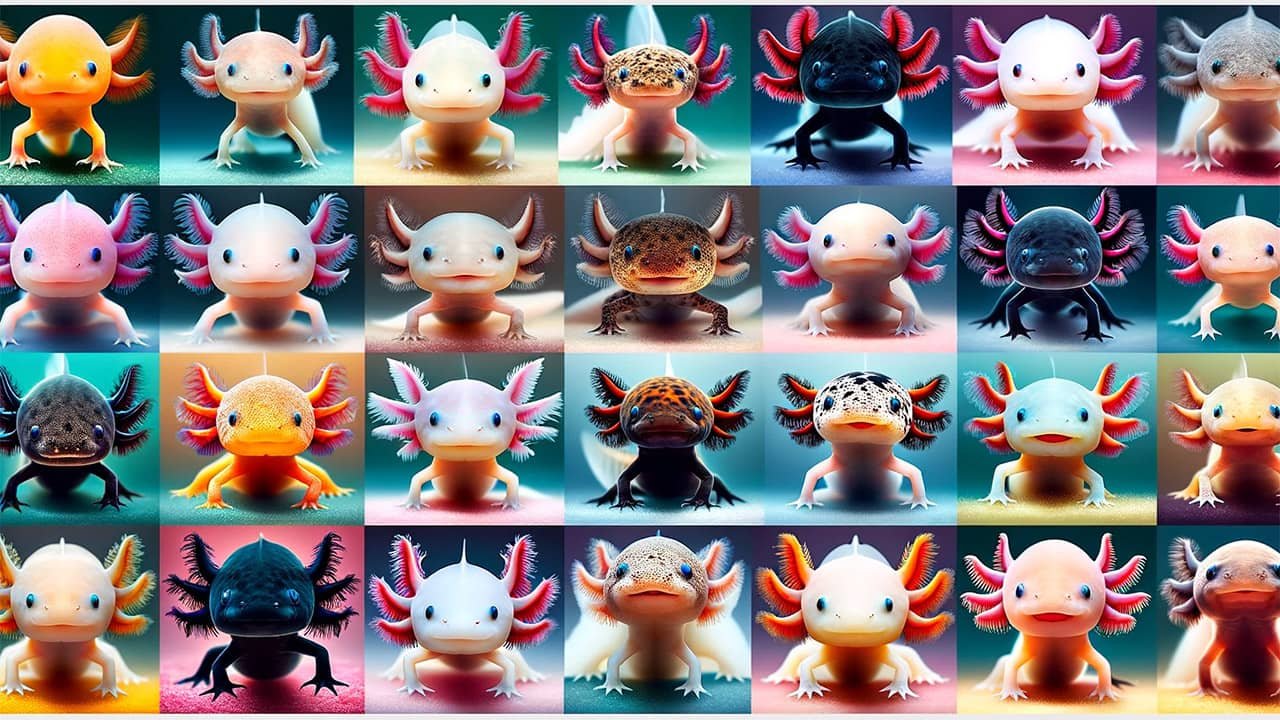
Final Verdict - Are Axolotls Blind So in conclusion, what can we say about the are axolotls blind discussion. Well, first and foremost we've seen that even though axolotls have very poor eyesight, not all of them are blind. They can also differentiate colors though their ability to do this is also limited. Are Axolotls Blind.
Axolotls have excellent color vision and can see in the red, green, blue, and ultraviolet spectrums! Their eyes contain cone cells with photopigments that are sensitive to specific wavelengths of light, allowing them to distinguish between colors.
Additionally, axolotls are very sensitive to changes in temperature and can detect even the slightest change in their surroundings. Overall, axolotls have a very keen sense of their surroundings and are able to adapt quickly to changes. Do they see in color? The short answer is yes, axolotls do see in color.
Axolotls can perceive colors, but their range is limited compared to humans. They possess the ability to distinguish between certain hues, primarily in the blue spectrum. Research suggests they have cone cells in their eyes, enabling vision in low-light conditions and discernment of shades, albeit within a restricted color palette.
18 Types Of Axolotl Colors You Can Own (Axolotl Color Guide) | ExoPetGuides

Axolotls have limited color vision. Their eyes are more sensitive to certain wavelengths, primarily allowing them to differentiate between light and dark rather than seeing a full spectrum of colors.
Axolotls can perceive colors, but their range is limited compared to humans. They possess the ability to distinguish between certain hues, primarily in the blue spectrum. Research suggests they have cone cells in their eyes, enabling vision in low-light conditions and discernment of shades, albeit within a restricted color palette.
How Axolotls Perceive Their World Axolotl vision has poor visual acuity, meaning they struggle to discern fine details. They can distinguish clear shapes and silhouettes only when objects are within approximately 30 centimeters. Their color perception is limited; research suggests they possess trichromatic vision, allowing them to perceive blue, green, and red wavelengths, but with fewer cone.
How Much Can An Axolotl See? When it comes to the world of vision, axolotls don't quite make the cut for being the champions of clarity. Their eyesight, while functional, falls short compared to the precision of human or certain animal eyes. It's like wearing slightly foggy goggles all the time.
How Much Can An Axolotl See? When it comes to the world of vision, axolotls don't quite make the cut for being the champions of clarity. Their eyesight, while functional, falls short compared to the precision of human or certain animal eyes. It's like wearing slightly foggy goggles all the time.
Additionally, axolotls have excellent depth perception, thanks to the slight overlap in their field of vision. Although axolotls have relatively small eyes, their visual acuity is surprisingly good. They have excellent color vision and can distinguish between different shades and hues.
Axolotls can perceive colors, but their range is limited compared to humans. They possess the ability to distinguish between certain hues, primarily in the blue spectrum. Research suggests they have cone cells in their eyes, enabling vision in low-light conditions and discernment of shades, albeit within a restricted color palette.
How Axolotls Perceive Their World Axolotl vision has poor visual acuity, meaning they struggle to discern fine details. They can distinguish clear shapes and silhouettes only when objects are within approximately 30 centimeters. Their color perception is limited; research suggests they possess trichromatic vision, allowing them to perceive blue, green, and red wavelengths, but with fewer cone.
Additionally, axolotls are very sensitive to changes in temperature and can detect even the slightest change in their surroundings. Overall, axolotls have a very keen sense of their surroundings and are able to adapt quickly to changes. Do they see in color? The short answer is yes, axolotls do see in color.
Final Verdict - Are Axolotls Blind So in conclusion, what can we say about the are axolotls blind discussion. Well, first and foremost we've seen that even though axolotls have very poor eyesight, not all of them are blind. They can also differentiate colors though their ability to do this is also limited. Are Axolotls Blind.
Even though axolotls can't see that well, it has been discovered that their eyesight is only slightly better than a human's. While they can see, they often have trouble distinguishing between different colors and picking up on smaller details.
Axolotls have limited color vision. Their eyes are more sensitive to certain wavelengths, primarily allowing them to differentiate between light and dark rather than seeing a full spectrum of colors.
Axolotls have excellent color vision and can see in the red, green, blue, and ultraviolet spectrums! Their eyes contain cone cells with photopigments that are sensitive to specific wavelengths of light, allowing them to distinguish between colors.
When it comes to understanding the fascinating world of axolotls, one of the most intriguing questions that often arises is: what colors can axolotls see? As one of the most unique and captivating creatures in the animal kingdom, axolotls have long fascinated scientists, pet owners, and enthusiasts alike.