Dinosaur Yellow Colour
Scientists determine dinosaur colors by analyzing melanosomes present in discovered fossils. Some dinosaurs were found with black feathers, while others had a rusty red color.
Thanks to films like Jurassic Park, we tend to assume that dinosaurs were mostly dark green, grey or brown in colour. The idea of stripy dinosaurs, or those with bright colours, seemed the stuff of stories or family theatre shows. However, research in the past 20 years has shown that many of these prehistoric creatures were much more flamboyant than we thought.
The Elusive Nature of Dinosaur Color Determining the coloration of dinosaurs has historically presented a significant challenge to paleontologists. The primary limitation stems from fossilization, which rarely preserves soft tissues like skin and pigment.
Scientists are decoding ancient pigments to reveal the true colors of dinosaurs, from skin to feathers. See what they've discovered.

Dinosaur coloration is generally one of the unknowns in the field of paleontology, as skin pigmentation is nearly always lost during the fossilization process. However, recent studies of feathered dinosaurs and skin impressions have shown the colour of some species can be inferred through the use of melanosomes, the colour.
The Elusive Nature of Dinosaur Color Determining the coloration of dinosaurs has historically presented a significant challenge to paleontologists. The primary limitation stems from fossilization, which rarely preserves soft tissues like skin and pigment.
However, as of the very next year after that book was published, dinosaur skin is not one of those things. Thanks to amazing new fossil finds that preserve soft tissue and integument, as well as new techniques for analyzing existing fossils, we actually can know what color dinosaurs were, under certain rare conditions.
Scientists are decoding ancient pigments to reveal the true colors of dinosaurs, from skin to feathers. See what they've discovered.
The 10 Basic Facts Everyone Should Know About Dinosaurs
/Irritator-58d292465f9b581d72de1f9c.jpg)
Long thought impossible, preservation of fossil pigments is allowing scientists to reconstruct extinct organisms with unprecedented accuracy.
Key Takeaway: Dinosaurs came in a variety of colors: While we can't be sure of the exact colors of dinosaurs, evidence from fossils suggests that they came in a wide range of hues, including red, orange, yellow, green, brown, black, gray, and even colorful and patterned varieties. This diversity is a testament to the adaptability and diversity of these prehistoric animals. Dinosaur.
However, as of the very next year after that book was published, dinosaur skin is not one of those things. Thanks to amazing new fossil finds that preserve soft tissue and integument, as well as new techniques for analyzing existing fossils, we actually can know what color dinosaurs were, under certain rare conditions.
The Elusive Nature of Dinosaur Color Determining the coloration of dinosaurs has historically presented a significant challenge to paleontologists. The primary limitation stems from fossilization, which rarely preserves soft tissues like skin and pigment.
How Did Dinosaurs Navigate? - Dinosaur Dictionary
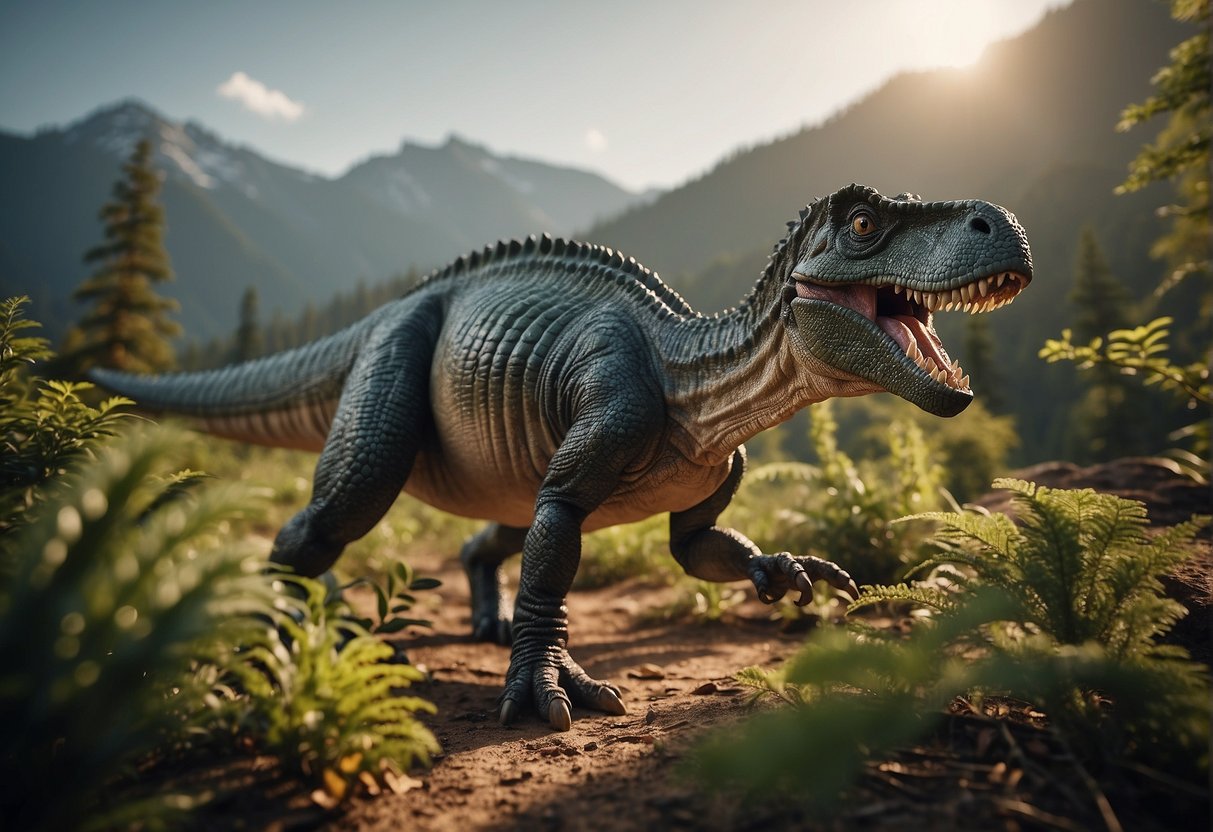
However, as of the very next year after that book was published, dinosaur skin is not one of those things. Thanks to amazing new fossil finds that preserve soft tissue and integument, as well as new techniques for analyzing existing fossils, we actually can know what color dinosaurs were, under certain rare conditions.
Scientists are decoding ancient pigments to reveal the true colors of dinosaurs, from skin to feathers. See what they've discovered.
Key Takeaway: Dinosaurs came in a variety of colors: While we can't be sure of the exact colors of dinosaurs, evidence from fossils suggests that they came in a wide range of hues, including red, orange, yellow, green, brown, black, gray, and even colorful and patterned varieties. This diversity is a testament to the adaptability and diversity of these prehistoric animals. Dinosaur.
Scientists determine dinosaur colors by analyzing melanosomes present in discovered fossils. Some dinosaurs were found with black feathers, while others had a rusty red color.
42 Facts About Dinosaurs
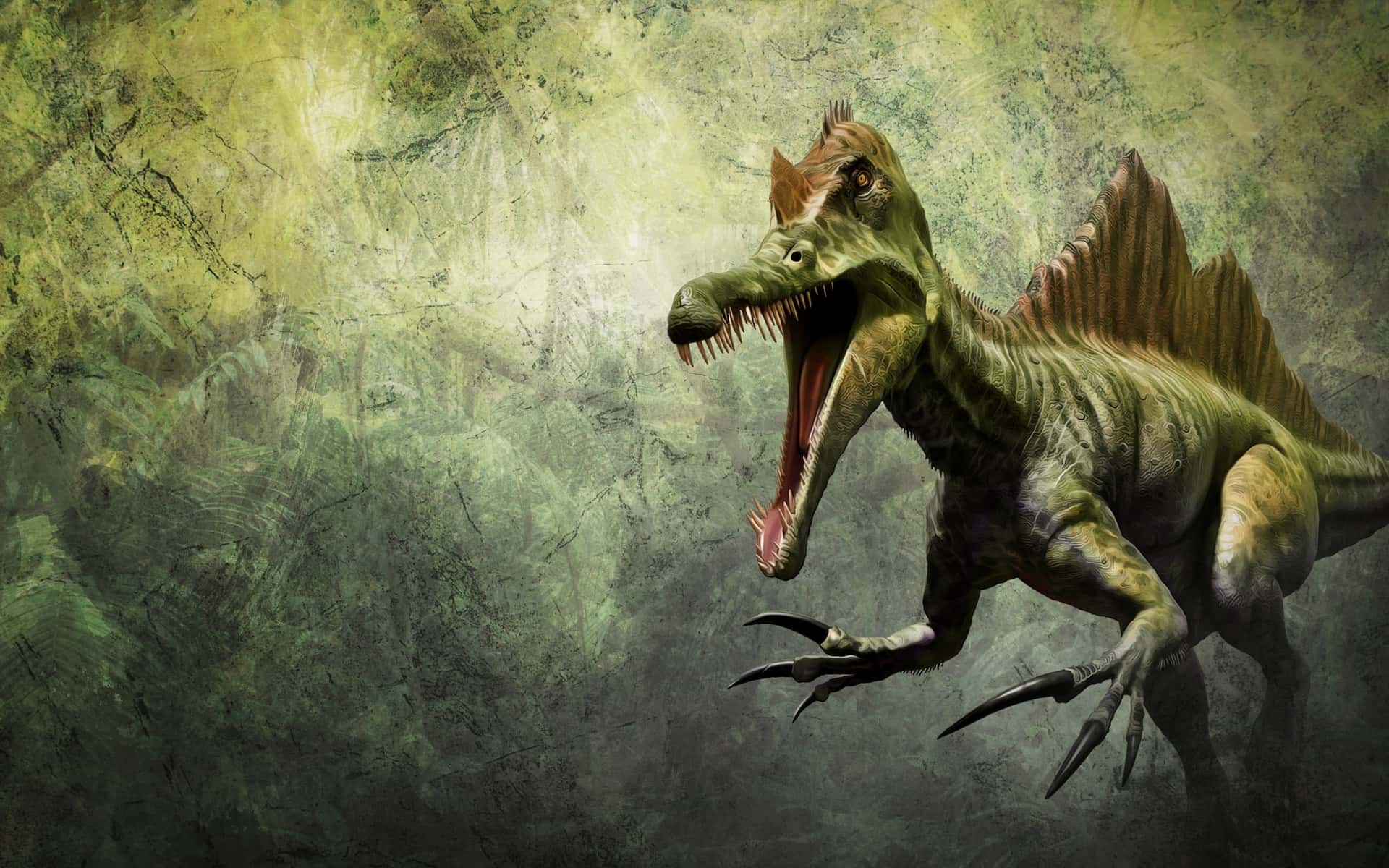
Thanks to films like Jurassic Park, we tend to assume that dinosaurs were mostly dark green, grey or brown in colour. The idea of stripy dinosaurs, or those with bright colours, seemed the stuff of stories or family theatre shows. However, research in the past 20 years has shown that many of these prehistoric creatures were much more flamboyant than we thought.
Scientists are decoding ancient pigments to reveal the true colors of dinosaurs, from skin to feathers. See what they've discovered.
Scientists determine dinosaur colors by analyzing melanosomes present in discovered fossils. Some dinosaurs were found with black feathers, while others had a rusty red color.
The Elusive Nature of Dinosaur Color Determining the coloration of dinosaurs has historically presented a significant challenge to paleontologists. The primary limitation stems from fossilization, which rarely preserves soft tissues like skin and pigment.
Dinosaurs: Course For Educators | Seminars On Science
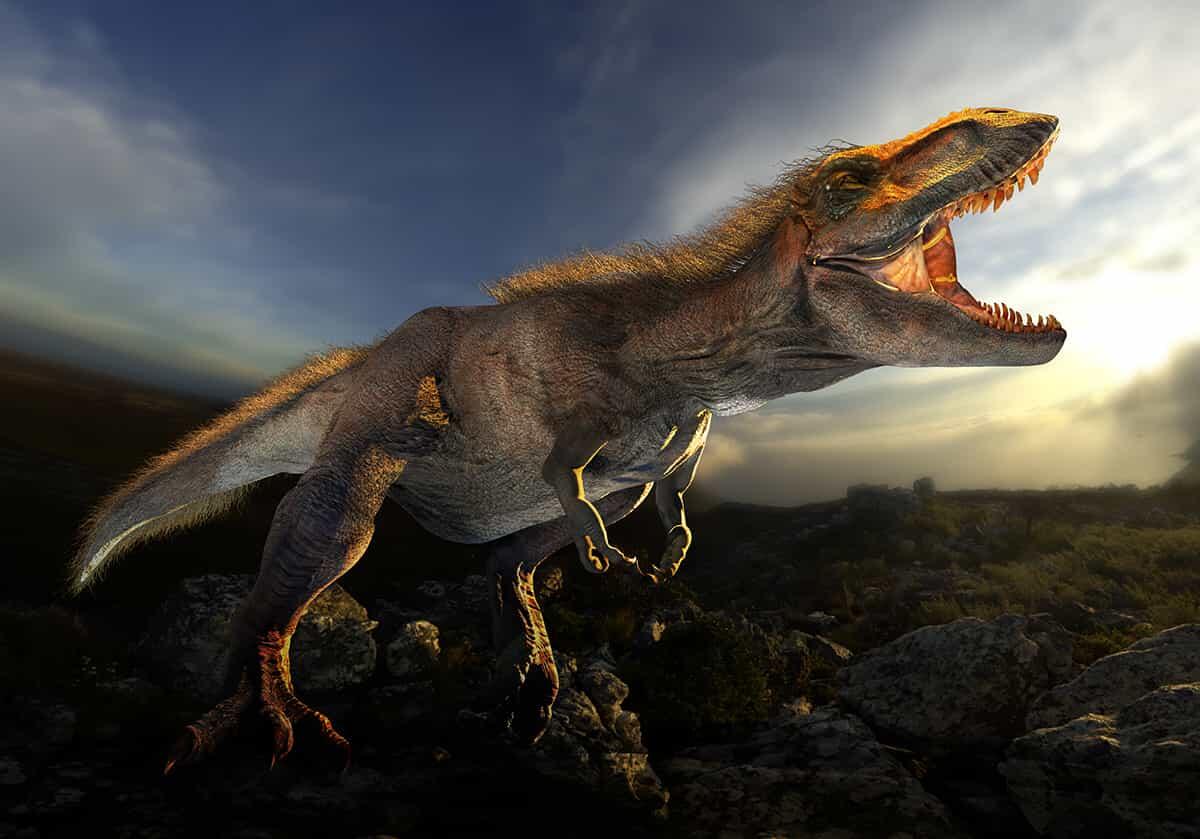
So what colors were the dinosaurs, really? And how do we know? One scientist we have to thank for the answers to both questions is Jakob Vinther, an associate professor in macroevolution at the.
Key Takeaway: Dinosaurs came in a variety of colors: While we can't be sure of the exact colors of dinosaurs, evidence from fossils suggests that they came in a wide range of hues, including red, orange, yellow, green, brown, black, gray, and even colorful and patterned varieties. This diversity is a testament to the adaptability and diversity of these prehistoric animals. Dinosaur.
Long thought impossible, preservation of fossil pigments is allowing scientists to reconstruct extinct organisms with unprecedented accuracy.
Dinosaur coloration is generally one of the unknowns in the field of paleontology, as skin pigmentation is nearly always lost during the fossilization process. However, recent studies of feathered dinosaurs and skin impressions have shown the colour of some species can be inferred through the use of melanosomes, the colour.
New Horned Dinosaur Species Discovered In Arizona Wows Paleontologists | Fox News
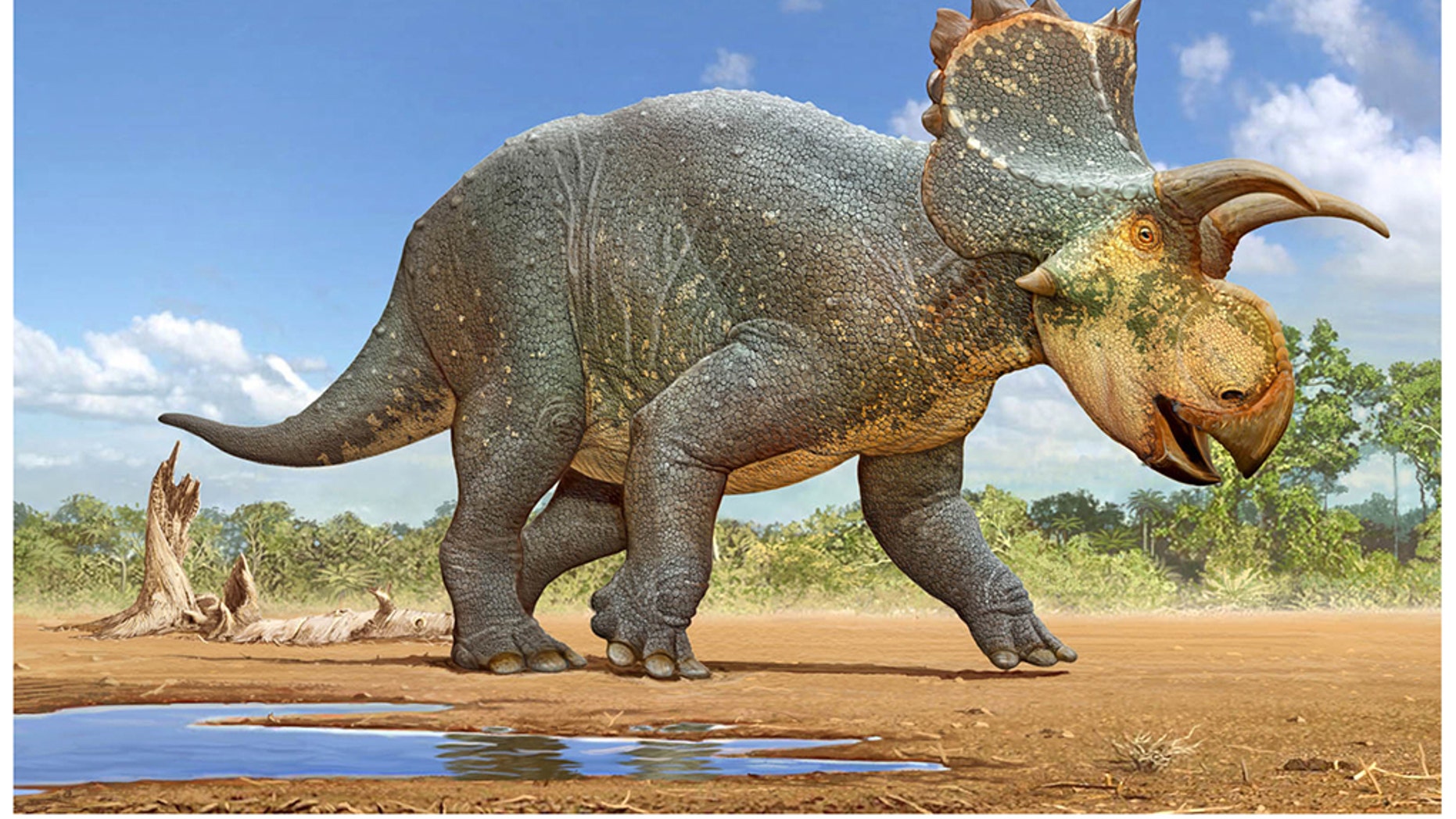
So what colors were the dinosaurs, really? And how do we know? One scientist we have to thank for the answers to both questions is Jakob Vinther, an associate professor in macroevolution at the.
Scientists are decoding ancient pigments to reveal the true colors of dinosaurs, from skin to feathers. See what they've discovered.
Long thought impossible, preservation of fossil pigments is allowing scientists to reconstruct extinct organisms with unprecedented accuracy.
Scientists determine dinosaur colors by analyzing melanosomes present in discovered fossils. Some dinosaurs were found with black feathers, while others had a rusty red color.
Dinosaur Wallpaper ·① Download Free Awesome High Resolution Wallpapers For Desktop Computers And ...
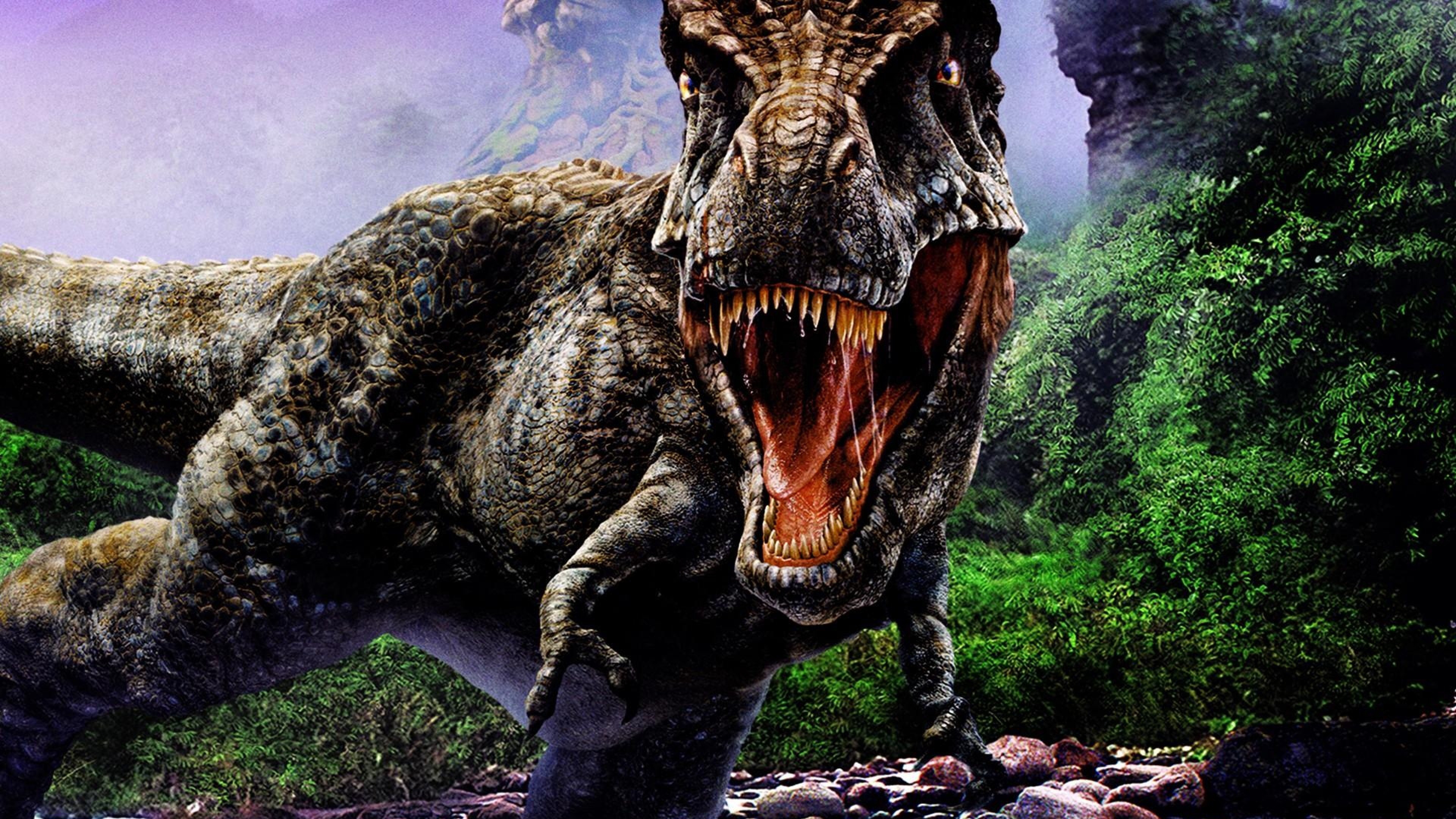
Long thought impossible, preservation of fossil pigments is allowing scientists to reconstruct extinct organisms with unprecedented accuracy.
So what color were dinosaurs? For now, we can't answer that question for every dino, but when it comes to Sinosauropteryx, the picture is nearly complete. And very raccoon-like. These little beasts, which were only about a meter (three feet) long, had a robber mask around their eyes, dark, reddish coloration on their backs, a pale belly, and long striped tails.
Key Takeaway: Dinosaurs came in a variety of colors: While we can't be sure of the exact colors of dinosaurs, evidence from fossils suggests that they came in a wide range of hues, including red, orange, yellow, green, brown, black, gray, and even colorful and patterned varieties. This diversity is a testament to the adaptability and diversity of these prehistoric animals. Dinosaur.
Thanks to films like Jurassic Park, we tend to assume that dinosaurs were mostly dark green, grey or brown in colour. The idea of stripy dinosaurs, or those with bright colours, seemed the stuff of stories or family theatre shows. However, research in the past 20 years has shown that many of these prehistoric creatures were much more flamboyant than we thought.
Dinosaur Researchers Say They're In A 'Golden Age' Of Discovery - NBC News
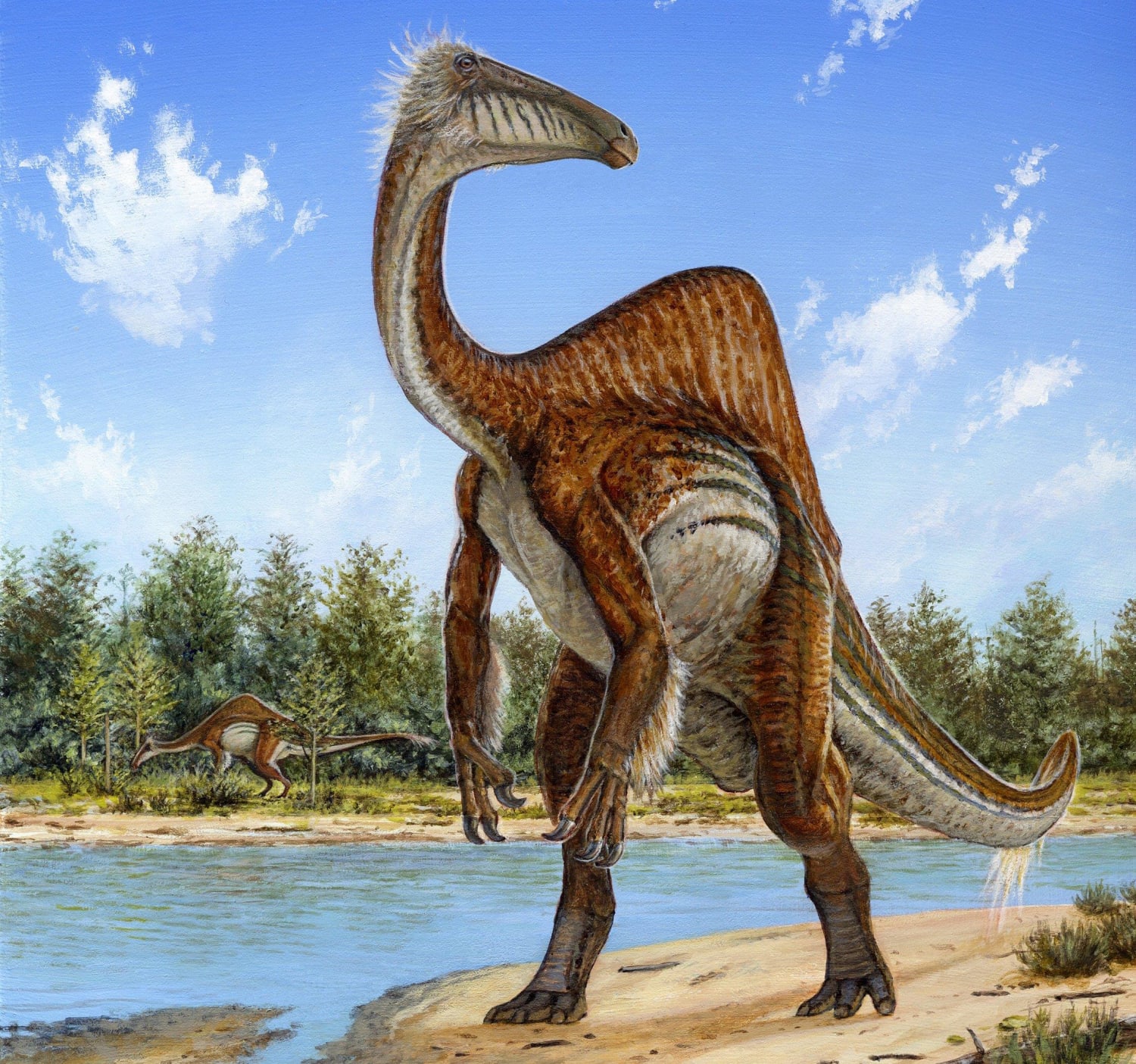
So what colors were the dinosaurs, really? And how do we know? One scientist we have to thank for the answers to both questions is Jakob Vinther, an associate professor in macroevolution at the.
Thanks to films like Jurassic Park, we tend to assume that dinosaurs were mostly dark green, grey or brown in colour. The idea of stripy dinosaurs, or those with bright colours, seemed the stuff of stories or family theatre shows. However, research in the past 20 years has shown that many of these prehistoric creatures were much more flamboyant than we thought.
Long thought impossible, preservation of fossil pigments is allowing scientists to reconstruct extinct organisms with unprecedented accuracy.
Key Takeaway: Dinosaurs came in a variety of colors: While we can't be sure of the exact colors of dinosaurs, evidence from fossils suggests that they came in a wide range of hues, including red, orange, yellow, green, brown, black, gray, and even colorful and patterned varieties. This diversity is a testament to the adaptability and diversity of these prehistoric animals. Dinosaur.
Dinosaur Free Stock Photo - Public Domain Pictures
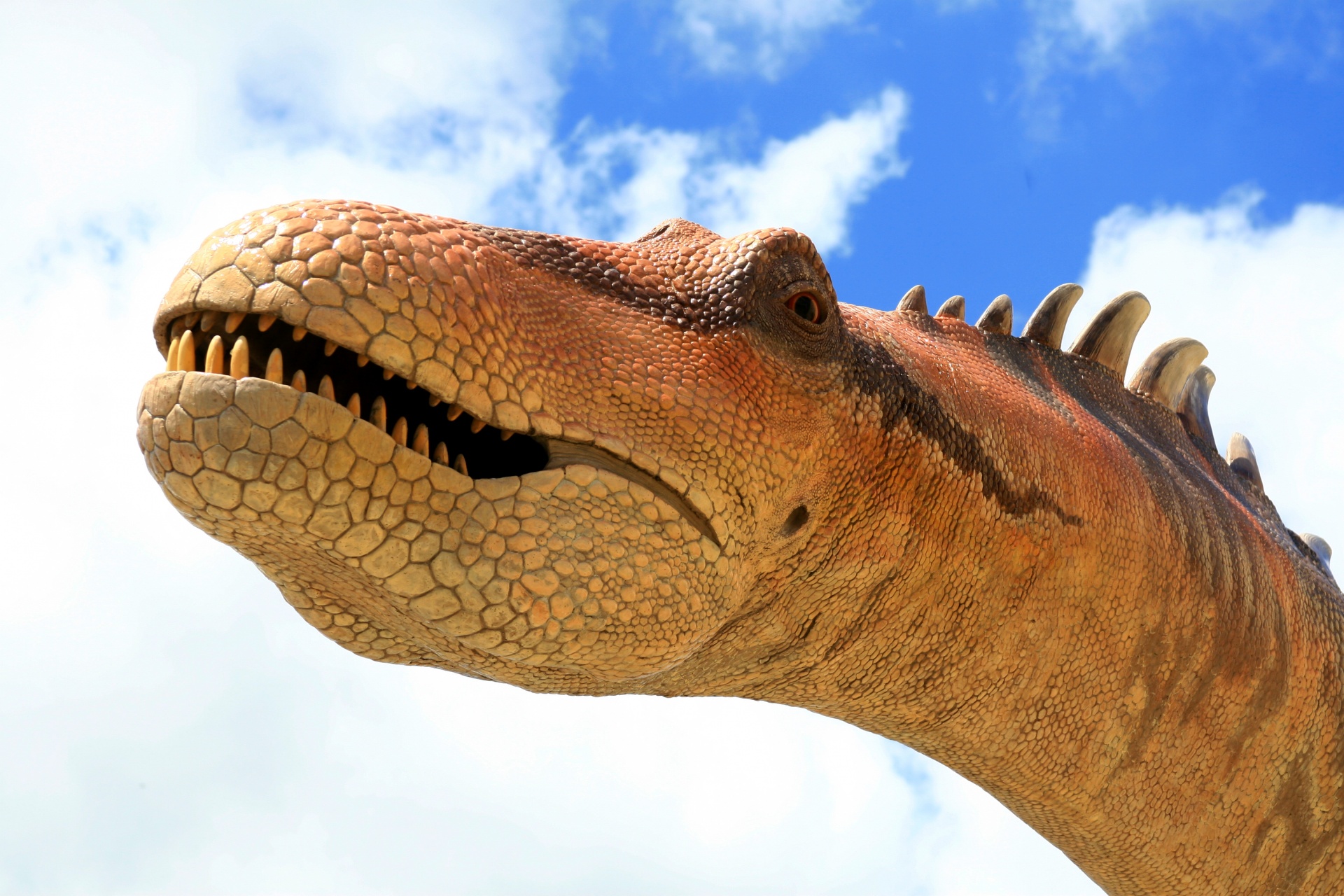
So what color were dinosaurs? For now, we can't answer that question for every dino, but when it comes to Sinosauropteryx, the picture is nearly complete. And very raccoon-like. These little beasts, which were only about a meter (three feet) long, had a robber mask around their eyes, dark, reddish coloration on their backs, a pale belly, and long striped tails.
Scientists determine dinosaur colors by analyzing melanosomes present in discovered fossils. Some dinosaurs were found with black feathers, while others had a rusty red color.
Key Takeaway: Dinosaurs came in a variety of colors: While we can't be sure of the exact colors of dinosaurs, evidence from fossils suggests that they came in a wide range of hues, including red, orange, yellow, green, brown, black, gray, and even colorful and patterned varieties. This diversity is a testament to the adaptability and diversity of these prehistoric animals. Dinosaur.
Long thought impossible, preservation of fossil pigments is allowing scientists to reconstruct extinct organisms with unprecedented accuracy.
Dinosaurs Article, Dinosaur Modeling Information, Facts -- National Geographic

Scientists are decoding ancient pigments to reveal the true colors of dinosaurs, from skin to feathers. See what they've discovered.
So what colors were the dinosaurs, really? And how do we know? One scientist we have to thank for the answers to both questions is Jakob Vinther, an associate professor in macroevolution at the.
Thanks to films like Jurassic Park, we tend to assume that dinosaurs were mostly dark green, grey or brown in colour. The idea of stripy dinosaurs, or those with bright colours, seemed the stuff of stories or family theatre shows. However, research in the past 20 years has shown that many of these prehistoric creatures were much more flamboyant than we thought.
Dinosaur coloration is generally one of the unknowns in the field of paleontology, as skin pigmentation is nearly always lost during the fossilization process. However, recent studies of feathered dinosaurs and skin impressions have shown the colour of some species can be inferred through the use of melanosomes, the colour.
20 Interesting Dinosaur Facts - Answers Africa
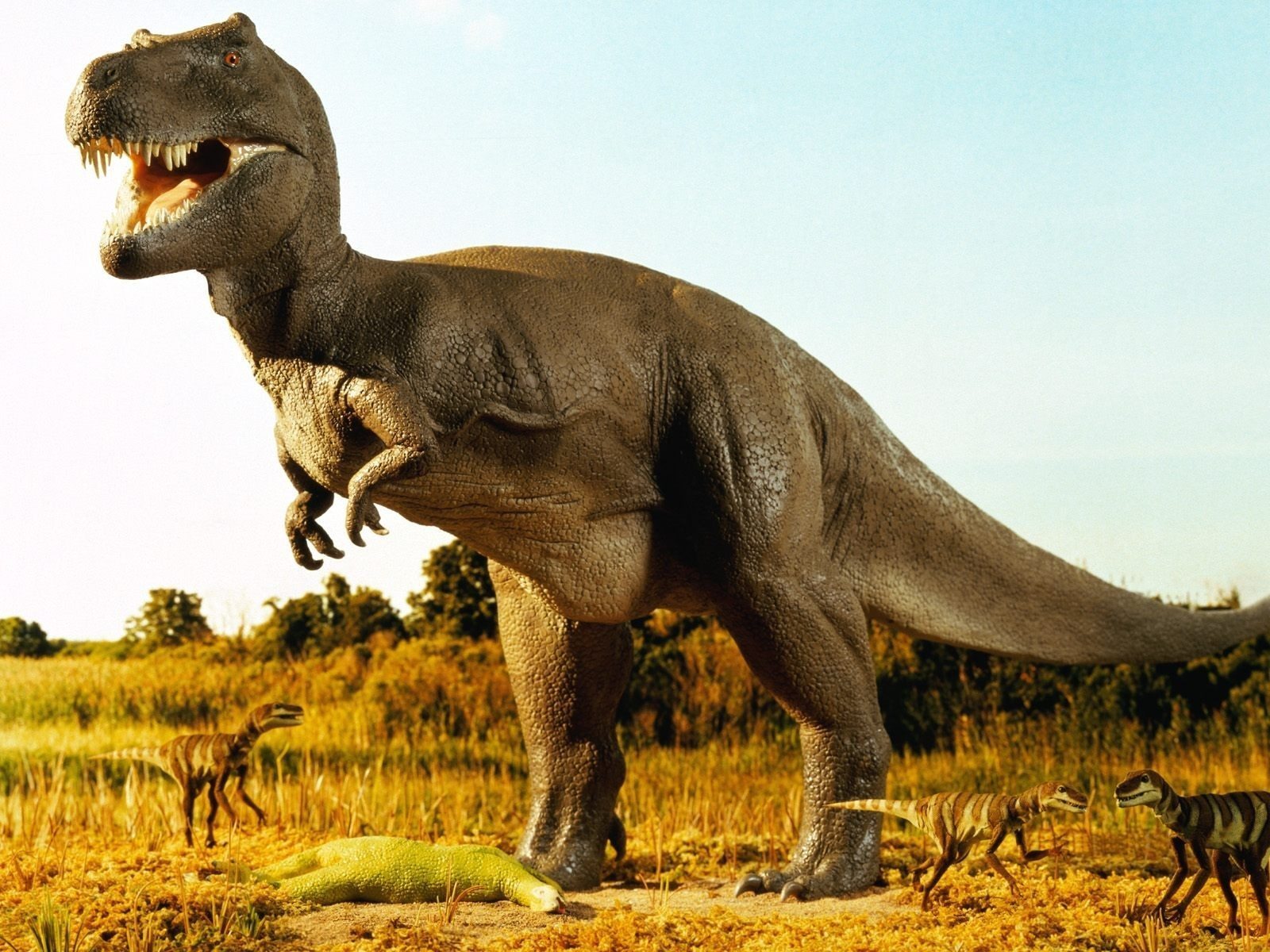
The Elusive Nature of Dinosaur Color Determining the coloration of dinosaurs has historically presented a significant challenge to paleontologists. The primary limitation stems from fossilization, which rarely preserves soft tissues like skin and pigment.
Thanks to films like Jurassic Park, we tend to assume that dinosaurs were mostly dark green, grey or brown in colour. The idea of stripy dinosaurs, or those with bright colours, seemed the stuff of stories or family theatre shows. However, research in the past 20 years has shown that many of these prehistoric creatures were much more flamboyant than we thought.
So what colors were the dinosaurs, really? And how do we know? One scientist we have to thank for the answers to both questions is Jakob Vinther, an associate professor in macroevolution at the.
Long thought impossible, preservation of fossil pigments is allowing scientists to reconstruct extinct organisms with unprecedented accuracy.
The Dinosaurs - Biology Online Tutorial
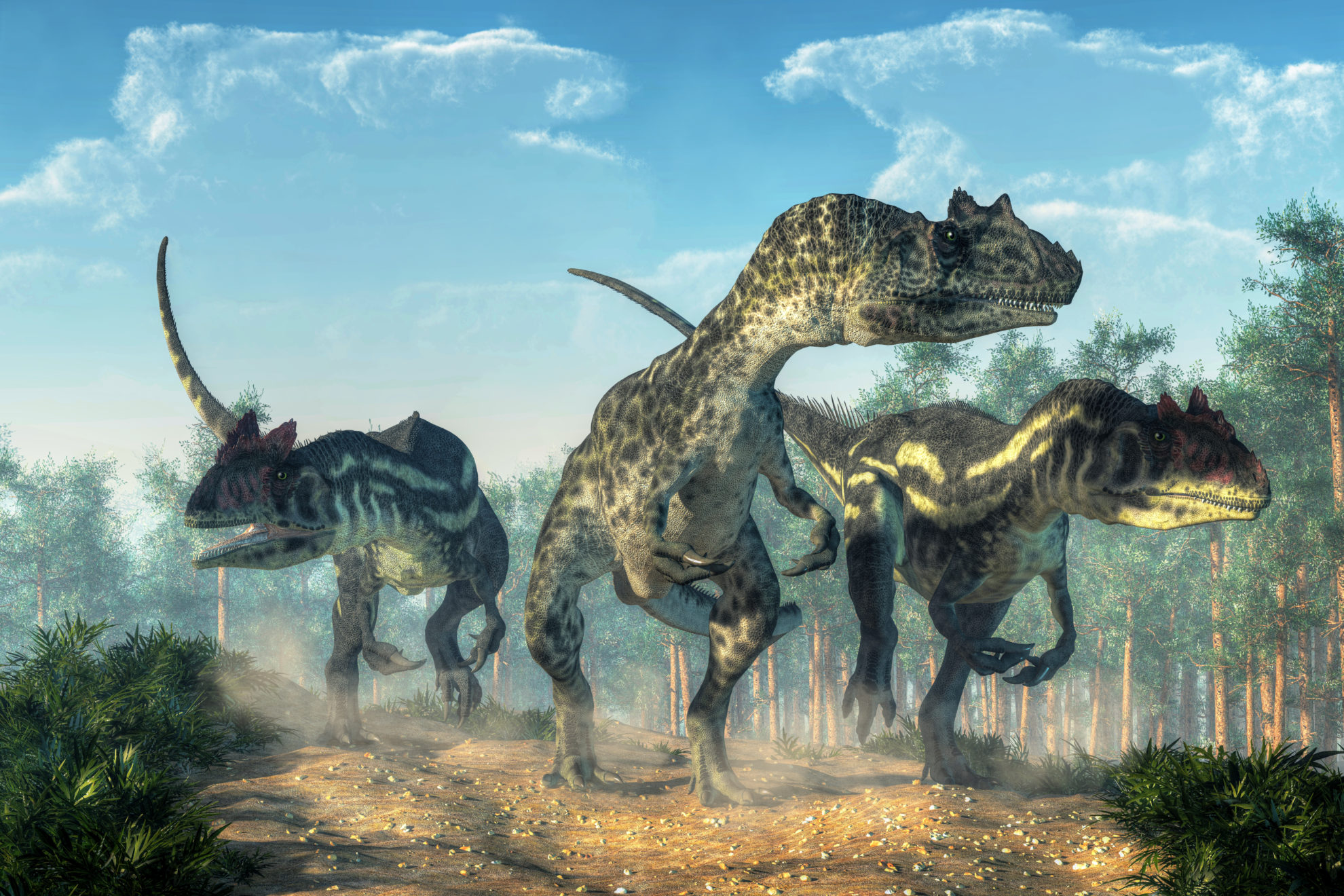
Scientists are decoding ancient pigments to reveal the true colors of dinosaurs, from skin to feathers. See what they've discovered.
Long thought impossible, preservation of fossil pigments is allowing scientists to reconstruct extinct organisms with unprecedented accuracy.
So what colors were the dinosaurs, really? And how do we know? One scientist we have to thank for the answers to both questions is Jakob Vinther, an associate professor in macroevolution at the.
Scientists determine dinosaur colors by analyzing melanosomes present in discovered fossils. Some dinosaurs were found with black feathers, while others had a rusty red color.
Download Enjoy Life Like An Awesome Dinosaur Wallpaper | Wallpapers.com
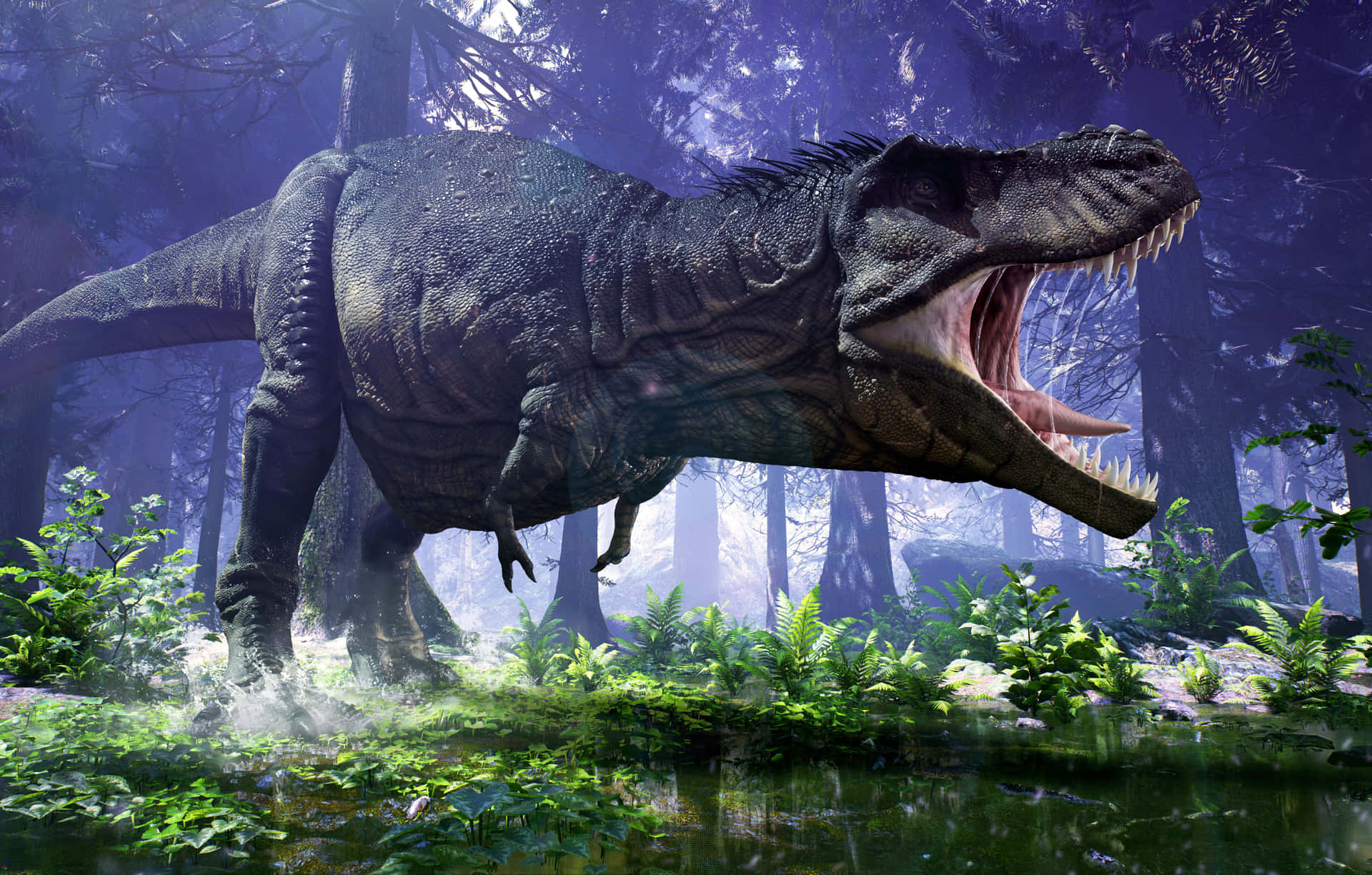
So what color were dinosaurs? For now, we can't answer that question for every dino, but when it comes to Sinosauropteryx, the picture is nearly complete. And very raccoon-like. These little beasts, which were only about a meter (three feet) long, had a robber mask around their eyes, dark, reddish coloration on their backs, a pale belly, and long striped tails.
Scientists are decoding ancient pigments to reveal the true colors of dinosaurs, from skin to feathers. See what they've discovered.
So what colors were the dinosaurs, really? And how do we know? One scientist we have to thank for the answers to both questions is Jakob Vinther, an associate professor in macroevolution at the.
Dinosaur coloration is generally one of the unknowns in the field of paleontology, as skin pigmentation is nearly always lost during the fossilization process. However, recent studies of feathered dinosaurs and skin impressions have shown the colour of some species can be inferred through the use of melanosomes, the colour.
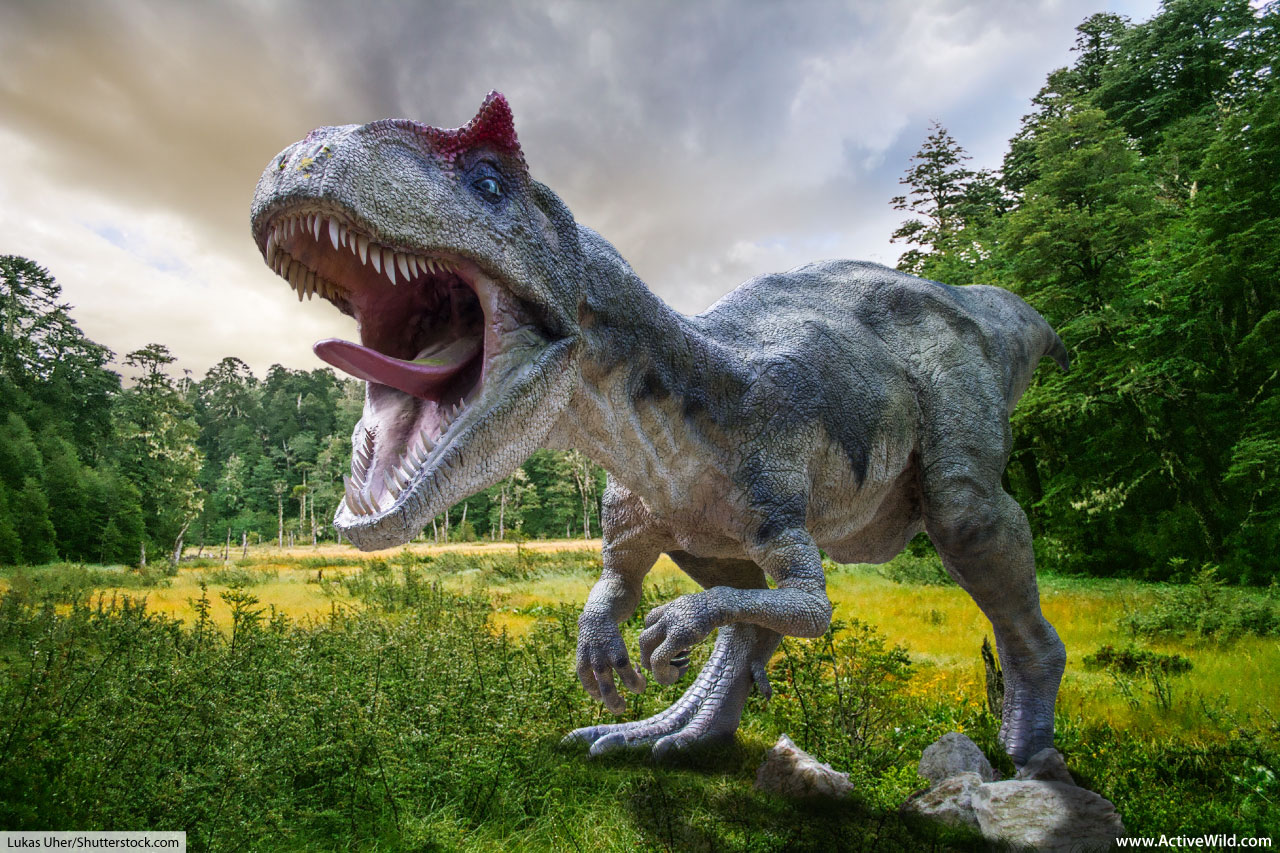
So what colors were the dinosaurs, really? And how do we know? One scientist we have to thank for the answers to both questions is Jakob Vinther, an associate professor in macroevolution at the.
Key Takeaway: Dinosaurs came in a variety of colors: While we can't be sure of the exact colors of dinosaurs, evidence from fossils suggests that they came in a wide range of hues, including red, orange, yellow, green, brown, black, gray, and even colorful and patterned varieties. This diversity is a testament to the adaptability and diversity of these prehistoric animals. Dinosaur.
So what color were dinosaurs? For now, we can't answer that question for every dino, but when it comes to Sinosauropteryx, the picture is nearly complete. And very raccoon-like. These little beasts, which were only about a meter (three feet) long, had a robber mask around their eyes, dark, reddish coloration on their backs, a pale belly, and long striped tails.
The Elusive Nature of Dinosaur Color Determining the coloration of dinosaurs has historically presented a significant challenge to paleontologists. The primary limitation stems from fossilization, which rarely preserves soft tissues like skin and pigment.
42 Facts About Dinosaurs
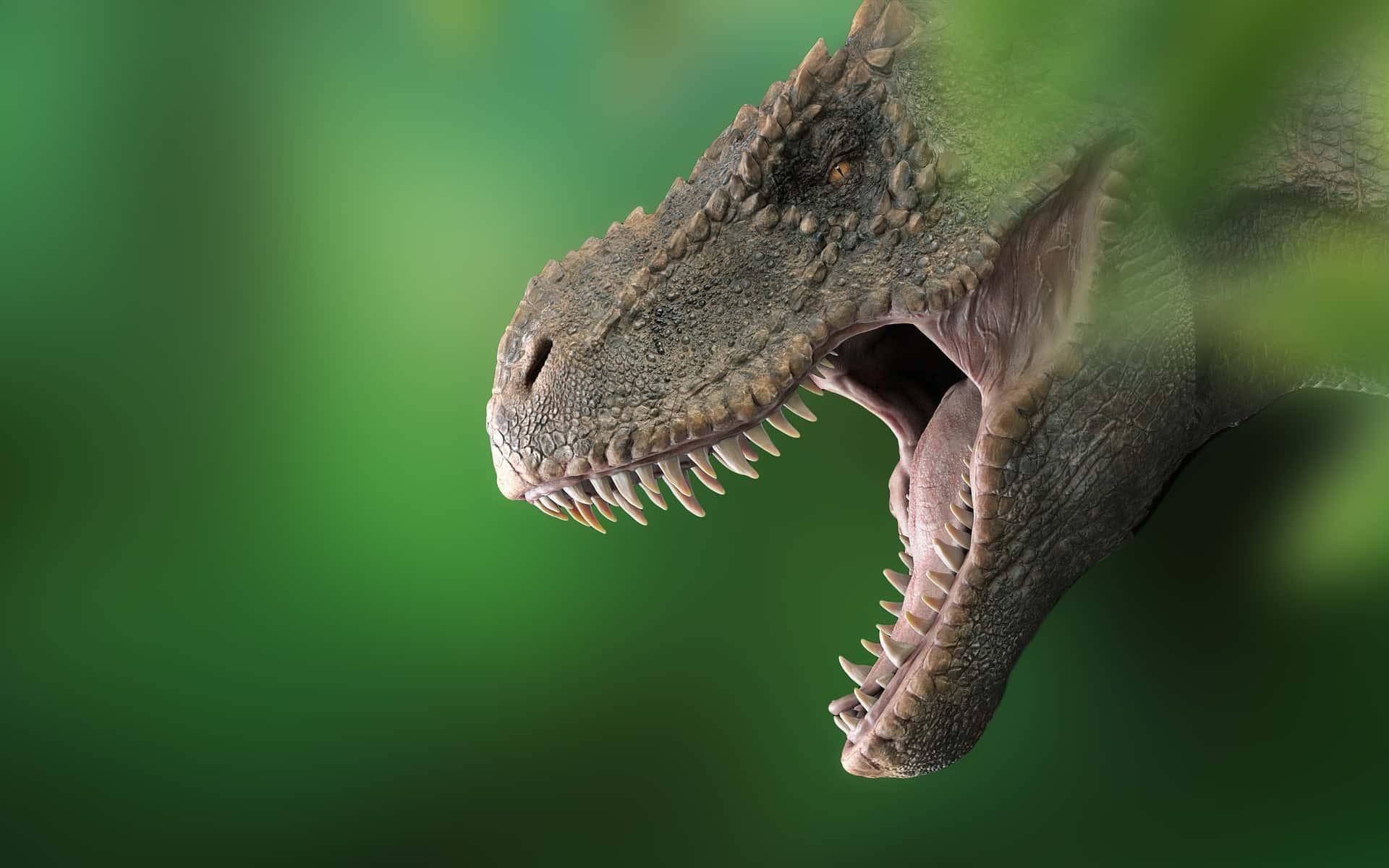
Long thought impossible, preservation of fossil pigments is allowing scientists to reconstruct extinct organisms with unprecedented accuracy.
The Elusive Nature of Dinosaur Color Determining the coloration of dinosaurs has historically presented a significant challenge to paleontologists. The primary limitation stems from fossilization, which rarely preserves soft tissues like skin and pigment.
Thanks to films like Jurassic Park, we tend to assume that dinosaurs were mostly dark green, grey or brown in colour. The idea of stripy dinosaurs, or those with bright colours, seemed the stuff of stories or family theatre shows. However, research in the past 20 years has shown that many of these prehistoric creatures were much more flamboyant than we thought.
So what color were dinosaurs? For now, we can't answer that question for every dino, but when it comes to Sinosauropteryx, the picture is nearly complete. And very raccoon-like. These little beasts, which were only about a meter (three feet) long, had a robber mask around their eyes, dark, reddish coloration on their backs, a pale belly, and long striped tails.
Thanks to films like Jurassic Park, we tend to assume that dinosaurs were mostly dark green, grey or brown in colour. The idea of stripy dinosaurs, or those with bright colours, seemed the stuff of stories or family theatre shows. However, research in the past 20 years has shown that many of these prehistoric creatures were much more flamboyant than we thought.
Long thought impossible, preservation of fossil pigments is allowing scientists to reconstruct extinct organisms with unprecedented accuracy.
So what color were dinosaurs? For now, we can't answer that question for every dino, but when it comes to Sinosauropteryx, the picture is nearly complete. And very raccoon-like. These little beasts, which were only about a meter (three feet) long, had a robber mask around their eyes, dark, reddish coloration on their backs, a pale belly, and long striped tails.
So what colors were the dinosaurs, really? And how do we know? One scientist we have to thank for the answers to both questions is Jakob Vinther, an associate professor in macroevolution at the.
Dinosaur coloration is generally one of the unknowns in the field of paleontology, as skin pigmentation is nearly always lost during the fossilization process. However, recent studies of feathered dinosaurs and skin impressions have shown the colour of some species can be inferred through the use of melanosomes, the colour.
Scientists are decoding ancient pigments to reveal the true colors of dinosaurs, from skin to feathers. See what they've discovered.
However, as of the very next year after that book was published, dinosaur skin is not one of those things. Thanks to amazing new fossil finds that preserve soft tissue and integument, as well as new techniques for analyzing existing fossils, we actually can know what color dinosaurs were, under certain rare conditions.
Scientists determine dinosaur colors by analyzing melanosomes present in discovered fossils. Some dinosaurs were found with black feathers, while others had a rusty red color.
The Elusive Nature of Dinosaur Color Determining the coloration of dinosaurs has historically presented a significant challenge to paleontologists. The primary limitation stems from fossilization, which rarely preserves soft tissues like skin and pigment.
Key Takeaway: Dinosaurs came in a variety of colors: While we can't be sure of the exact colors of dinosaurs, evidence from fossils suggests that they came in a wide range of hues, including red, orange, yellow, green, brown, black, gray, and even colorful and patterned varieties. This diversity is a testament to the adaptability and diversity of these prehistoric animals. Dinosaur.