Food Coloring Numbers
Food: Color by Number Coloring pages. Select from 79872 printable Coloring pages of cartoons, animals, nature, Bible and many more.
These food coloring pages are bursting with flavor and fun-ideal for kids, adults, and anyone who enjoys a yummy way to relax and create.
In 1978 the use of synthetic colourings in food in general was banned in Norway, due to the possible effect of synthetic colourings such as azo dyes on children.
In 1906, Congress passed the Food and Drugs Act, which prohibited the use of poisonous or deleterious colors in confectionery and the coloring or staining of food to conceal damage or inferiority.
Food Color By Number Printable

Food coloring A variety of food colorings, added to beakers of water Food coloring, color additive or colorant is any dye, pigment, or substance that imparts color when it is added to food or beverages. Colorants can be supplied as liquids, powders, gels, or pastes. Food coloring is commonly used in commercial products and in domestic cooking.
In 1978 the use of synthetic colourings in food in general was banned in Norway, due to the possible effect of synthetic colourings such as azo dyes on children.
Food: Color by Number Coloring pages. Select from 79872 printable Coloring pages of cartoons, animals, nature, Bible and many more.
Food colours are food additives which are added to food and drinks mainly for the following reasons: Making up for colour losses following exposure to light, air, moisture, and variations in temperature; Enhancing naturally occurring colours; Adding colour to foods that would otherwise be colourless or coloured differently.
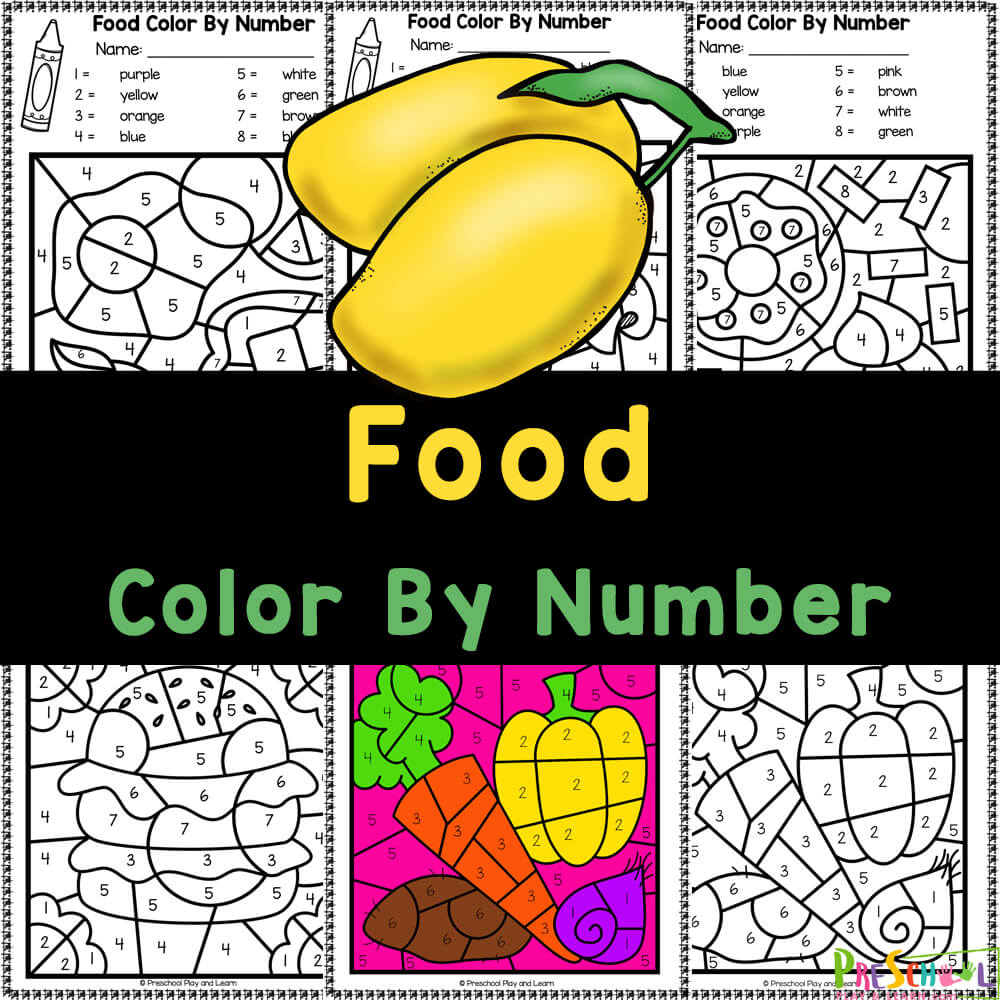
FREE Printable Food Color By Number Worksheets
In 1978 the use of synthetic colourings in food in general was banned in Norway, due to the possible effect of synthetic colourings such as azo dyes on children.
Food colours are food additives which are added to food and drinks mainly for the following reasons: Making up for colour losses following exposure to light, air, moisture, and variations in temperature; Enhancing naturally occurring colours; Adding colour to foods that would otherwise be colourless or coloured differently.
In the intricate world of food coloring, understanding the significance of dye numbers is paramount. These numerical codes, assigned to food color additives by regulatory bodies such as the FDA (Food and Drug Administration) in the United States and the EFSA (European Food Safety Authority) in Europe, serve as vital markers for ensuring food safety and regulatory compliance. Dye numbers are.
Before you reach for those M&M's, you might want to know that many brightly colored foods are made with dangerous, petroleum.
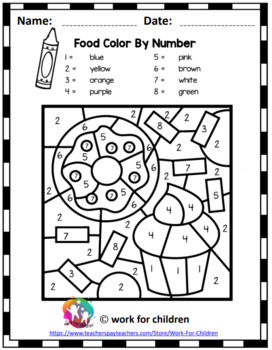
Printable Food Color By Number Worksheets By Work For Children | TPT
Before you reach for those M&M's, you might want to know that many brightly colored foods are made with dangerous, petroleum.
Food coloring A variety of food colorings, added to beakers of water Food coloring, color additive or colorant is any dye, pigment, or substance that imparts color when it is added to food or beverages. Colorants can be supplied as liquids, powders, gels, or pastes. Food coloring is commonly used in commercial products and in domestic cooking.
The certification process is required every time a manufacturer creates a new food dye batch (1). Natural food dyes are processed ingredients derived from plants, vegetables, minerals, and animals. Natural color additives tend to cost more money and can impart unwanted flavors to the products they're coloring (1).
Food colours are food additives which are added to food and drinks mainly for the following reasons: Making up for colour losses following exposure to light, air, moisture, and variations in temperature; Enhancing naturally occurring colours; Adding colour to foods that would otherwise be colourless or coloured differently.
Pizza Color By Number | Free Printable Coloring Pages

In the intricate world of food coloring, understanding the significance of dye numbers is paramount. These numerical codes, assigned to food color additives by regulatory bodies such as the FDA (Food and Drug Administration) in the United States and the EFSA (European Food Safety Authority) in Europe, serve as vital markers for ensuring food safety and regulatory compliance. Dye numbers are.
Food: Color by Number Coloring pages. Select from 79872 printable Coloring pages of cartoons, animals, nature, Bible and many more.
In 1906, Congress passed the Food and Drugs Act, which prohibited the use of poisonous or deleterious colors in confectionery and the coloring or staining of food to conceal damage or inferiority.
Second, the numbers alert you that this is, in fact, an artificial coloring agent. Third, the numbers make for much easier label-reading than the actual chemical names. If there's any question of safety - if, for example, the product is found to have long-term side effects - it's also easier to yank off the shelf or avoid.
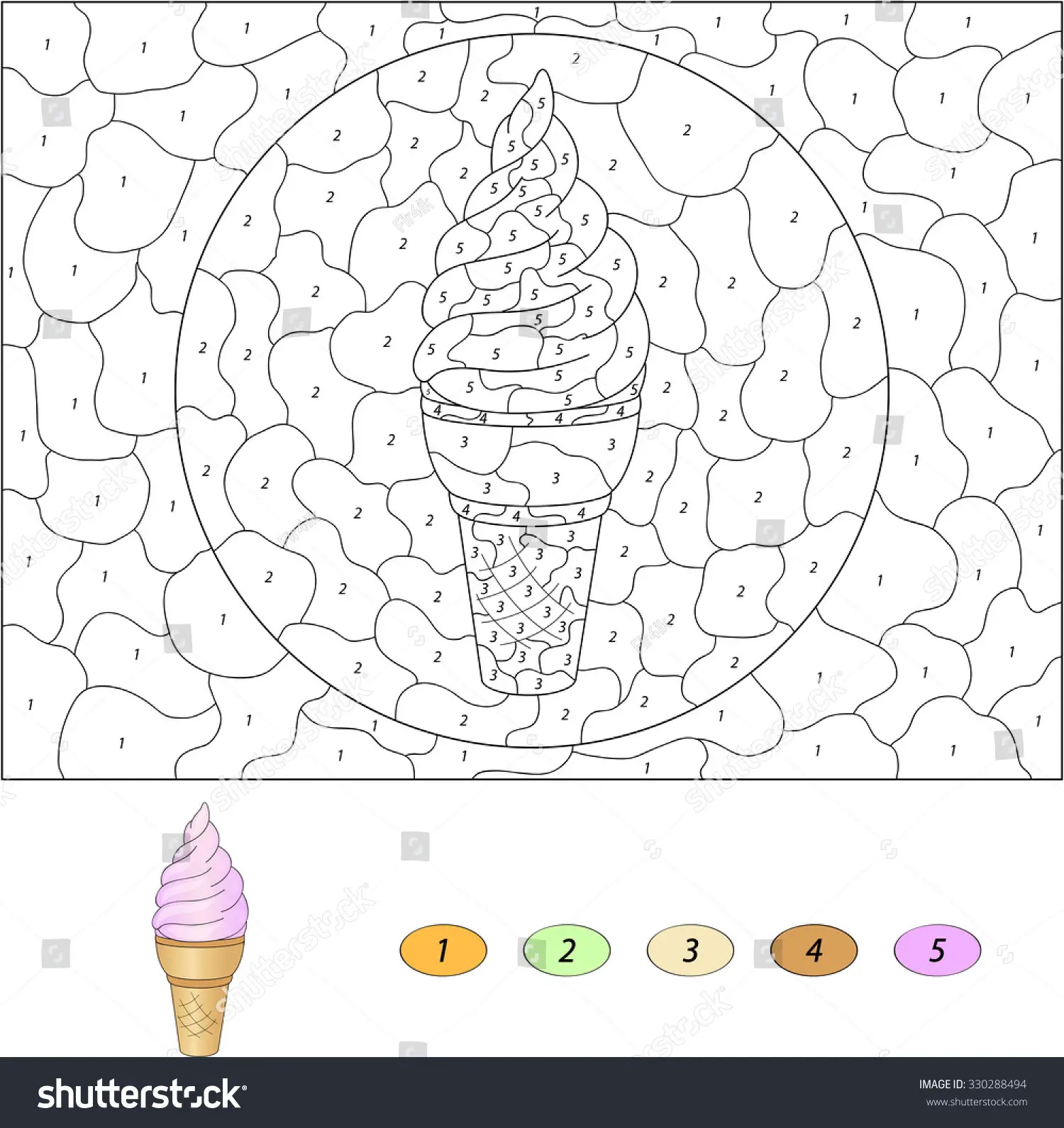
Printable Color By Number Food

Second, the numbers alert you that this is, in fact, an artificial coloring agent. Third, the numbers make for much easier label-reading than the actual chemical names. If there's any question of safety - if, for example, the product is found to have long-term side effects - it's also easier to yank off the shelf or avoid.
In 1906, Congress passed the Food and Drugs Act, which prohibited the use of poisonous or deleterious colors in confectionery and the coloring or staining of food to conceal damage or inferiority.
Food: Color by Number Coloring pages. Select from 79872 printable Coloring pages of cartoons, animals, nature, Bible and many more.
In the intricate world of food coloring, understanding the significance of dye numbers is paramount. These numerical codes, assigned to food color additives by regulatory bodies such as the FDA (Food and Drug Administration) in the United States and the EFSA (European Food Safety Authority) in Europe, serve as vital markers for ensuring food safety and regulatory compliance. Dye numbers are.
9 Yummy Food Color By Number Worksheets - Kitty Baby Love
In the intricate world of food coloring, understanding the significance of dye numbers is paramount. These numerical codes, assigned to food color additives by regulatory bodies such as the FDA (Food and Drug Administration) in the United States and the EFSA (European Food Safety Authority) in Europe, serve as vital markers for ensuring food safety and regulatory compliance. Dye numbers are.
Food: Color by Number Coloring pages. Select from 79872 printable Coloring pages of cartoons, animals, nature, Bible and many more.
Food colours are food additives which are added to food and drinks mainly for the following reasons: Making up for colour losses following exposure to light, air, moisture, and variations in temperature; Enhancing naturally occurring colours; Adding colour to foods that would otherwise be colourless or coloured differently.
In 1978 the use of synthetic colourings in food in general was banned in Norway, due to the possible effect of synthetic colourings such as azo dyes on children.
Free Printable Color By Number Food Preschool Worksheets | Preschool ...

Food coloring A variety of food colorings, added to beakers of water Food coloring, color additive or colorant is any dye, pigment, or substance that imparts color when it is added to food or beverages. Colorants can be supplied as liquids, powders, gels, or pastes. Food coloring is commonly used in commercial products and in domestic cooking.
Before you reach for those M&M's, you might want to know that many brightly colored foods are made with dangerous, petroleum.
These food coloring pages are bursting with flavor and fun-ideal for kids, adults, and anyone who enjoys a yummy way to relax and create.
Second, the numbers alert you that this is, in fact, an artificial coloring agent. Third, the numbers make for much easier label-reading than the actual chemical names. If there's any question of safety - if, for example, the product is found to have long-term side effects - it's also easier to yank off the shelf or avoid.
Printable Fun Food Color By Number Worksheets Coloring Pages BOOK

Before you reach for those M&M's, you might want to know that many brightly colored foods are made with dangerous, petroleum.
The certification process is required every time a manufacturer creates a new food dye batch (1). Natural food dyes are processed ingredients derived from plants, vegetables, minerals, and animals. Natural color additives tend to cost more money and can impart unwanted flavors to the products they're coloring (1).
Second, the numbers alert you that this is, in fact, an artificial coloring agent. Third, the numbers make for much easier label-reading than the actual chemical names. If there's any question of safety - if, for example, the product is found to have long-term side effects - it's also easier to yank off the shelf or avoid.
Food: Color by Number Coloring pages. Select from 79872 printable Coloring pages of cartoons, animals, nature, Bible and many more.
Donuts Color By Number | Free Printable Coloring Pages

In 1978 the use of synthetic colourings in food in general was banned in Norway, due to the possible effect of synthetic colourings such as azo dyes on children.
The certification process is required every time a manufacturer creates a new food dye batch (1). Natural food dyes are processed ingredients derived from plants, vegetables, minerals, and animals. Natural color additives tend to cost more money and can impart unwanted flavors to the products they're coloring (1).
Before you reach for those M&M's, you might want to know that many brightly colored foods are made with dangerous, petroleum.
Food coloring A variety of food colorings, added to beakers of water Food coloring, color additive or colorant is any dye, pigment, or substance that imparts color when it is added to food or beverages. Colorants can be supplied as liquids, powders, gels, or pastes. Food coloring is commonly used in commercial products and in domestic cooking.
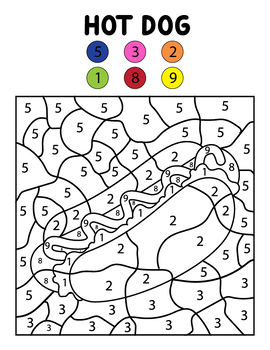
Food Coloring Pages : Color By Number | Morning Work | World Food Day ...
Before you reach for those M&M's, you might want to know that many brightly colored foods are made with dangerous, petroleum.
Food coloring A variety of food colorings, added to beakers of water Food coloring, color additive or colorant is any dye, pigment, or substance that imparts color when it is added to food or beverages. Colorants can be supplied as liquids, powders, gels, or pastes. Food coloring is commonly used in commercial products and in domestic cooking.
These food coloring pages are bursting with flavor and fun-ideal for kids, adults, and anyone who enjoys a yummy way to relax and create.
Food: Color by Number Coloring pages. Select from 79872 printable Coloring pages of cartoons, animals, nature, Bible and many more.
Color By Number Food Theme Printable Coloring Pages For Kids

In the intricate world of food coloring, understanding the significance of dye numbers is paramount. These numerical codes, assigned to food color additives by regulatory bodies such as the FDA (Food and Drug Administration) in the United States and the EFSA (European Food Safety Authority) in Europe, serve as vital markers for ensuring food safety and regulatory compliance. Dye numbers are.
Before you reach for those M&M's, you might want to know that many brightly colored foods are made with dangerous, petroleum.
These food coloring pages are bursting with flavor and fun-ideal for kids, adults, and anyone who enjoys a yummy way to relax and create.
Second, the numbers alert you that this is, in fact, an artificial coloring agent. Third, the numbers make for much easier label-reading than the actual chemical names. If there's any question of safety - if, for example, the product is found to have long-term side effects - it's also easier to yank off the shelf or avoid.
Food Color By Number

In 1906, Congress passed the Food and Drugs Act, which prohibited the use of poisonous or deleterious colors in confectionery and the coloring or staining of food to conceal damage or inferiority.
These food coloring pages are bursting with flavor and fun-ideal for kids, adults, and anyone who enjoys a yummy way to relax and create.
Before you reach for those M&M's, you might want to know that many brightly colored foods are made with dangerous, petroleum.
Food colours are food additives which are added to food and drinks mainly for the following reasons: Making up for colour losses following exposure to light, air, moisture, and variations in temperature; Enhancing naturally occurring colours; Adding colour to foods that would otherwise be colourless or coloured differently.
Food Color By Number Worksheets For Fun With Kids (Free)

In 1978 the use of synthetic colourings in food in general was banned in Norway, due to the possible effect of synthetic colourings such as azo dyes on children.
Before you reach for those M&M's, you might want to know that many brightly colored foods are made with dangerous, petroleum.
In the intricate world of food coloring, understanding the significance of dye numbers is paramount. These numerical codes, assigned to food color additives by regulatory bodies such as the FDA (Food and Drug Administration) in the United States and the EFSA (European Food Safety Authority) in Europe, serve as vital markers for ensuring food safety and regulatory compliance. Dye numbers are.
Second, the numbers alert you that this is, in fact, an artificial coloring agent. Third, the numbers make for much easier label-reading than the actual chemical names. If there's any question of safety - if, for example, the product is found to have long-term side effects - it's also easier to yank off the shelf or avoid.
Printable Color By Number Food
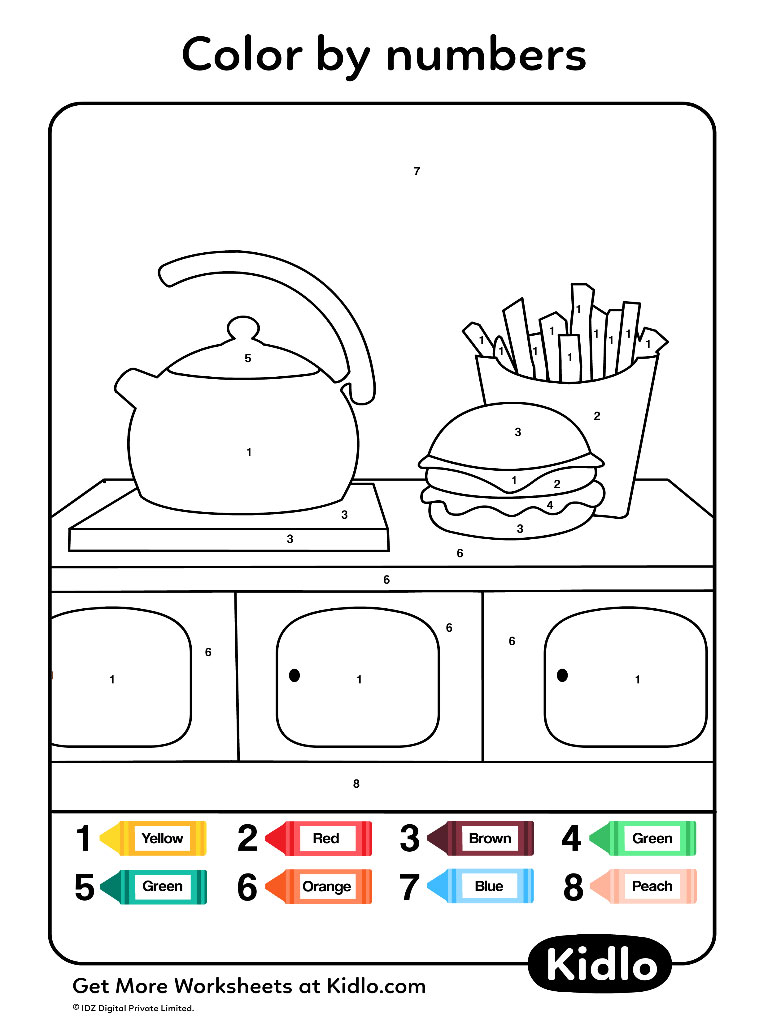
These food coloring pages are bursting with flavor and fun-ideal for kids, adults, and anyone who enjoys a yummy way to relax and create.
Second, the numbers alert you that this is, in fact, an artificial coloring agent. Third, the numbers make for much easier label-reading than the actual chemical names. If there's any question of safety - if, for example, the product is found to have long-term side effects - it's also easier to yank off the shelf or avoid.
In 1978 the use of synthetic colourings in food in general was banned in Norway, due to the possible effect of synthetic colourings such as azo dyes on children.
The certification process is required every time a manufacturer creates a new food dye batch (1). Natural food dyes are processed ingredients derived from plants, vegetables, minerals, and animals. Natural color additives tend to cost more money and can impart unwanted flavors to the products they're coloring (1).
Food Themed Color By Number Worksheets I Food Color By Code Activities ...

Food: Color by Number Coloring pages. Select from 79872 printable Coloring pages of cartoons, animals, nature, Bible and many more.
Before you reach for those M&M's, you might want to know that many brightly colored foods are made with dangerous, petroleum.
Second, the numbers alert you that this is, in fact, an artificial coloring agent. Third, the numbers make for much easier label-reading than the actual chemical names. If there's any question of safety - if, for example, the product is found to have long-term side effects - it's also easier to yank off the shelf or avoid.
Food coloring A variety of food colorings, added to beakers of water Food coloring, color additive or colorant is any dye, pigment, or substance that imparts color when it is added to food or beverages. Colorants can be supplied as liquids, powders, gels, or pastes. Food coloring is commonly used in commercial products and in domestic cooking.
Food colours are food additives which are added to food and drinks mainly for the following reasons: Making up for colour losses following exposure to light, air, moisture, and variations in temperature; Enhancing naturally occurring colours; Adding colour to foods that would otherwise be colourless or coloured differently.
In 1978 the use of synthetic colourings in food in general was banned in Norway, due to the possible effect of synthetic colourings such as azo dyes on children.
Before you reach for those M&M's, you might want to know that many brightly colored foods are made with dangerous, petroleum.
The certification process is required every time a manufacturer creates a new food dye batch (1). Natural food dyes are processed ingredients derived from plants, vegetables, minerals, and animals. Natural color additives tend to cost more money and can impart unwanted flavors to the products they're coloring (1).
Food: Color by Number Coloring pages. Select from 79872 printable Coloring pages of cartoons, animals, nature, Bible and many more.
In the intricate world of food coloring, understanding the significance of dye numbers is paramount. These numerical codes, assigned to food color additives by regulatory bodies such as the FDA (Food and Drug Administration) in the United States and the EFSA (European Food Safety Authority) in Europe, serve as vital markers for ensuring food safety and regulatory compliance. Dye numbers are.
In 1906, Congress passed the Food and Drugs Act, which prohibited the use of poisonous or deleterious colors in confectionery and the coloring or staining of food to conceal damage or inferiority.
Food coloring A variety of food colorings, added to beakers of water Food coloring, color additive or colorant is any dye, pigment, or substance that imparts color when it is added to food or beverages. Colorants can be supplied as liquids, powders, gels, or pastes. Food coloring is commonly used in commercial products and in domestic cooking.
These food coloring pages are bursting with flavor and fun-ideal for kids, adults, and anyone who enjoys a yummy way to relax and create.
Second, the numbers alert you that this is, in fact, an artificial coloring agent. Third, the numbers make for much easier label-reading than the actual chemical names. If there's any question of safety - if, for example, the product is found to have long-term side effects - it's also easier to yank off the shelf or avoid.