Koala Fur Color
What color is the fur color of the northern koala? Koalas in the north have woolly light grey fur. The difference between the northern koalas and those found in the south is that southern koalas.
The Queensland koala is the smallest, with silver or grey short hairs and a shorter skull. The Victorian koala is the largest, with shaggier, brown fur and a wider skull. [22]: 7 [23] The geographic limits of these variations are based on state borders, and their status as subspecies is disputed.
Their fur can appear different depending on the region and individual, but generally, they are recognized by their greyish coat. Koalas are most commonly described as having a fur color that ranges from silver grey to light brown, with some individuals exhibiting darker brown or chocolate hues.
The Koala's fur - a protective "raincoat" Koalas have thick, woolly fur which protects them from the extremes of both high and low temperatures, and which also acts like a 'raincoat' to repel moisture when it rains. The fur varies in colour from light grey to brown. Koalas in the south generally tend to have fur which is darker and thicker (and sometimes browner) than those in the.
The Koala Is Climbing A Tree Stock Image - Image Of Animals, Beauty ...

What color is the fur color of the northern koala? Koalas in the north have woolly light grey fur. The difference between the northern koalas and those found in the south is that southern koalas.
Koalas also have slight variations within their fur such as fur color and thickness etc. These variations are primarily dependent on the type of koalas as well. For example, koalas from the northern regions have light gray or gray colored fur, whereas; koalas from the southern regions have brown colored fur. The northern region koalas are also called the gray koalas while the southern region.
The Queensland koala is the smallest, with silver or grey short hairs and a shorter skull. The Victorian koala is the largest, with shaggier, brown fur and a wider skull. [22]: 7 [23] The geographic limits of these variations are based on state borders, and their status as subspecies is disputed.
The Koala's fur - a protective "raincoat" Koalas have thick, woolly fur which protects them from the extremes of both high and low temperatures, and which also acts like a 'raincoat' to repel moisture when it rains. The fur varies in colour from light grey to brown. Koalas in the south generally tend to have fur which is darker and thicker (and sometimes browner) than those in the.
The Koala Has A Large Round Head, Big Furry Ears And Big Black Nose ...
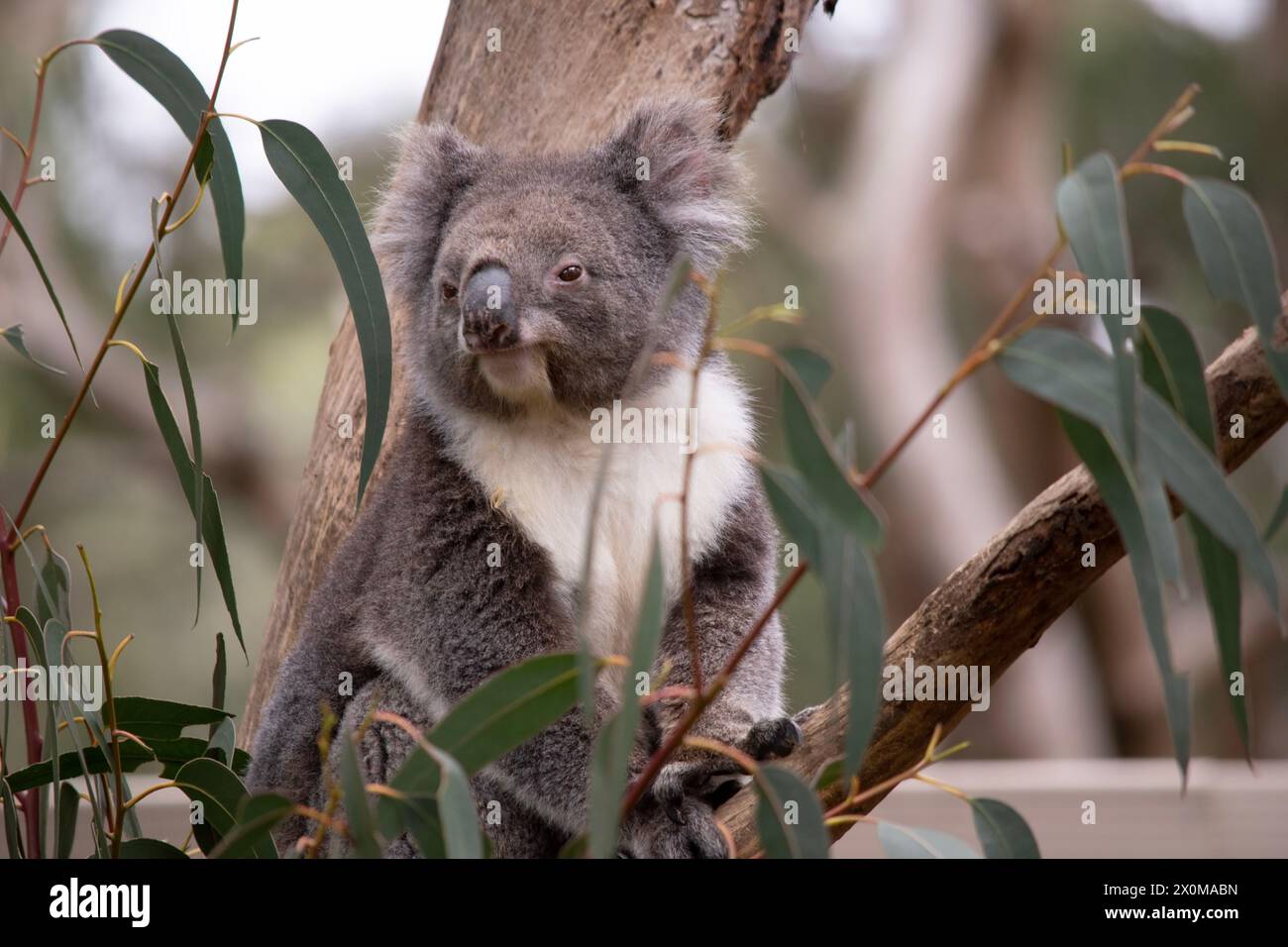
Koalas range in color from slate gray to reddish brown, according to Sea World. Koala fur isn't as soft as it looks. It is very coarse, like wool. This fur repels water to keep them dry in the rain.
The Koala's fur - a protective "raincoat" Koalas have thick, woolly fur which protects them from the extremes of both high and low temperatures, and which also acts like a 'raincoat' to repel moisture when it rains. The fur varies in colour from light grey to brown. Koalas in the south generally tend to have fur which is darker and thicker (and sometimes browner) than those in the.
* Genetics: Like with any animal, individual koalas inherit their fur color from their parents. Different genes contribute to the variations in shade and pattern. * Geographic location: There are subtle differences in fur color among different koala populations.
What color is the fur color of the northern koala? Koalas in the north have woolly light grey fur. The difference between the northern koalas and those found in the south is that southern koalas.
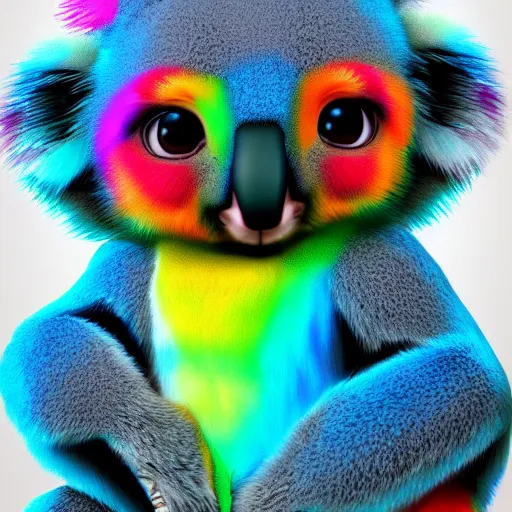
Koala With Rainbow Color Fur | Stable Diffusion | OpenArt
A koala's fur color also changes with age; newborn joeys are initially hairless and pink, with fur developing and darkening to a dark brown or black within their first few months. Other Distinctive Features Beyond their fur, koalas have several other physical attributes that make them instantly recognizable.
The color of a koala's fur is essential for their ability to camouflage and blend in with their surroundings. The shades of grey and brown mimic the colors of tree bark, making it difficult for predators to spot them among the branches. The variations in fur color and patterns further enhance their camouflage by breaking up their silhouette.
Koalas range in color from slate gray to reddish brown, according to Sea World. Koala fur isn't as soft as it looks. It is very coarse, like wool. This fur repels water to keep them dry in the rain.
* Genetics: Like with any animal, individual koalas inherit their fur color from their parents. Different genes contribute to the variations in shade and pattern. * Geographic location: There are subtle differences in fur color among different koala populations.
Premium Photo | Koala Fur Texture

Koalas also have slight variations within their fur such as fur color and thickness etc. These variations are primarily dependent on the type of koalas as well. For example, koalas from the northern regions have light gray or gray colored fur, whereas; koalas from the southern regions have brown colored fur. The northern region koalas are also called the gray koalas while the southern region.
The Koala's fur - a protective "raincoat" Koalas have thick, woolly fur which protects them from the extremes of both high and low temperatures, and which also acts like a 'raincoat' to repel moisture when it rains. The fur varies in colour from light grey to brown. Koalas in the south generally tend to have fur which is darker and thicker (and sometimes browner) than those in the.
* Genetics: Like with any animal, individual koalas inherit their fur color from their parents. Different genes contribute to the variations in shade and pattern. * Geographic location: There are subtle differences in fur color among different koala populations.
The Importance of Koala Colors Koala colors play a vital role in their survival, social behavior, and adaptation to their environment. The color of a koala's fur can influence its ability to regulate body temperature, communicate with other koalas, and even affect its susceptibility to diseases. For instance, koalas with lighter.
23 Koala Color Palette Ideas In 2024 | IColorpalette

A koala's fur color also changes with age; newborn joeys are initially hairless and pink, with fur developing and darkening to a dark brown or black within their first few months. Other Distinctive Features Beyond their fur, koalas have several other physical attributes that make them instantly recognizable.
What color is the fur color of the northern koala? Koalas in the north have woolly light grey fur. The difference between the northern koalas and those found in the south is that southern koalas.
Koalas range in color from slate gray to reddish brown, according to Sea World. Koala fur isn't as soft as it looks. It is very coarse, like wool. This fur repels water to keep them dry in the rain.
The Koala's fur - a protective "raincoat" Koalas have thick, woolly fur which protects them from the extremes of both high and low temperatures, and which also acts like a 'raincoat' to repel moisture when it rains. The fur varies in colour from light grey to brown. Koalas in the south generally tend to have fur which is darker and thicker (and sometimes browner) than those in the.
María Mercedes. | Koala, Koala Bear, Animals

Koalas range in color from slate gray to reddish brown, according to Sea World. Koala fur isn't as soft as it looks. It is very coarse, like wool. This fur repels water to keep them dry in the rain.
What color is the fur color of the northern koala? Koalas in the north have woolly light grey fur. The difference between the northern koalas and those found in the south is that southern koalas.
A koala's fur color also changes with age; newborn joeys are initially hairless and pink, with fur developing and darkening to a dark brown or black within their first few months. Other Distinctive Features Beyond their fur, koalas have several other physical attributes that make them instantly recognizable.
Their fur can appear different depending on the region and individual, but generally, they are recognized by their greyish coat. Koalas are most commonly described as having a fur color that ranges from silver grey to light brown, with some individuals exhibiting darker brown or chocolate hues.
The Koala Has A Large Round Head, Big Furry Ears And Big Black Nose ...
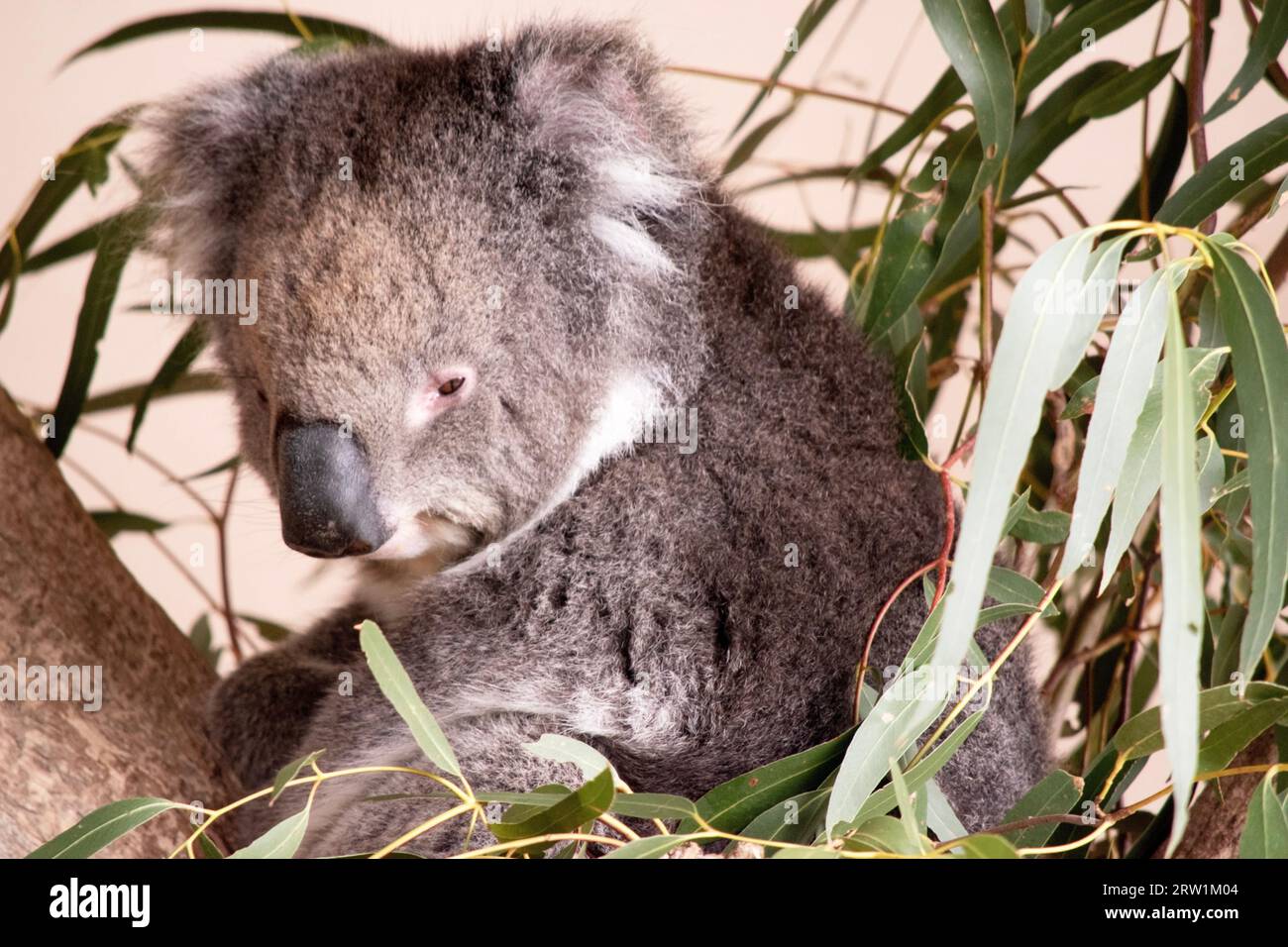
Their fur can appear different depending on the region and individual, but generally, they are recognized by their greyish coat. Koalas are most commonly described as having a fur color that ranges from silver grey to light brown, with some individuals exhibiting darker brown or chocolate hues.
Koalas range in color from slate gray to reddish brown, according to Sea World. Koala fur isn't as soft as it looks. It is very coarse, like wool. This fur repels water to keep them dry in the rain.
The Importance of Koala Colors Koala colors play a vital role in their survival, social behavior, and adaptation to their environment. The color of a koala's fur can influence its ability to regulate body temperature, communicate with other koalas, and even affect its susceptibility to diseases. For instance, koalas with lighter.
The Koala's fur - a protective "raincoat" Koalas have thick, woolly fur which protects them from the extremes of both high and low temperatures, and which also acts like a 'raincoat' to repel moisture when it rains. The fur varies in colour from light grey to brown. Koalas in the south generally tend to have fur which is darker and thicker (and sometimes browner) than those in the.
The Koala Has A Large Round Head, Big Furry Ears And Big Black Nose ...
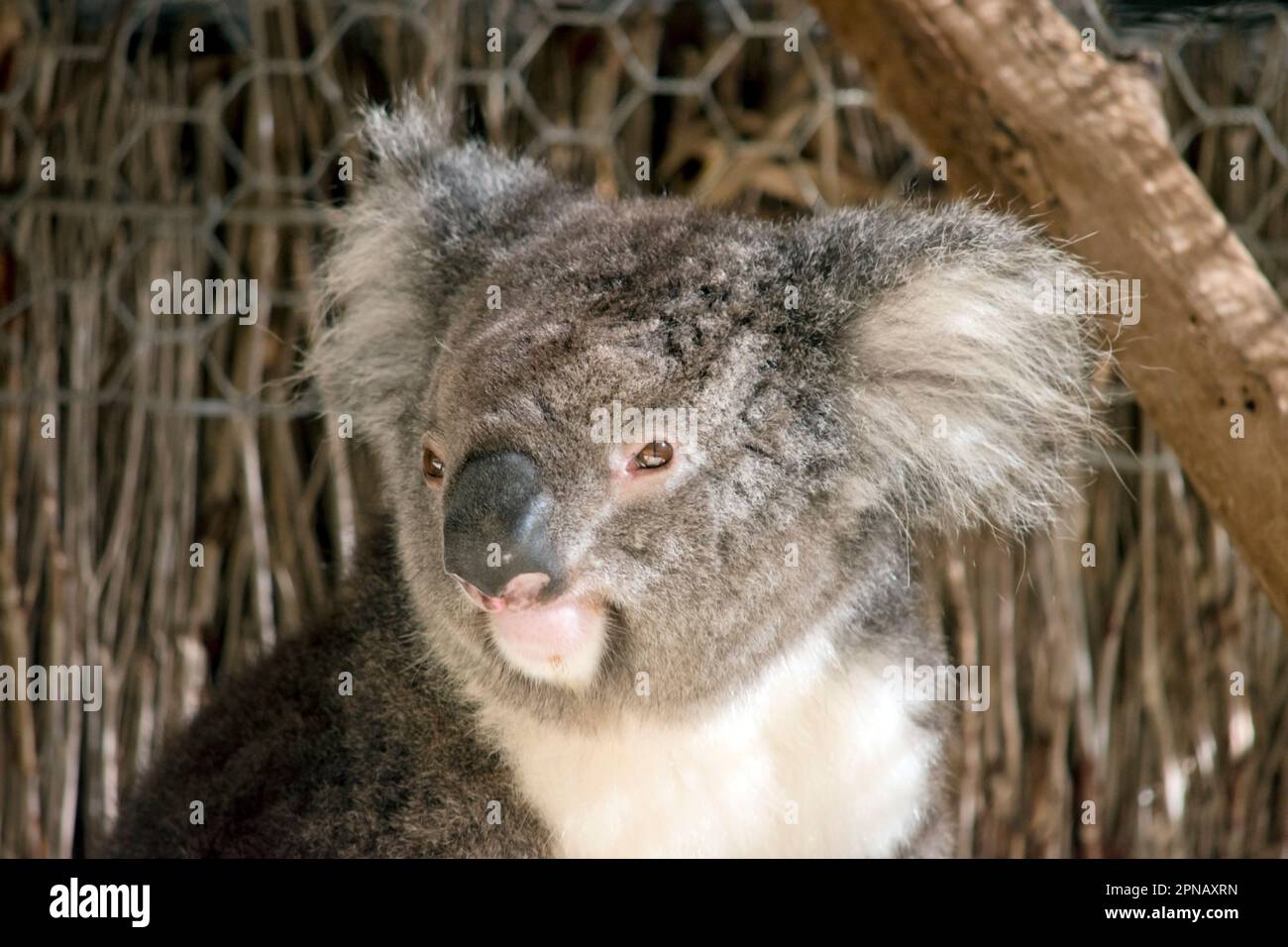
Koalas also have slight variations within their fur such as fur color and thickness etc. These variations are primarily dependent on the type of koalas as well. For example, koalas from the northern regions have light gray or gray colored fur, whereas; koalas from the southern regions have brown colored fur. The northern region koalas are also called the gray koalas while the southern region.
The color of a koala's fur is essential for their ability to camouflage and blend in with their surroundings. The shades of grey and brown mimic the colors of tree bark, making it difficult for predators to spot them among the branches. The variations in fur color and patterns further enhance their camouflage by breaking up their silhouette.
What color is the fur color of the northern koala? Koalas in the north have woolly light grey fur. The difference between the northern koalas and those found in the south is that southern koalas.
Their fur can appear different depending on the region and individual, but generally, they are recognized by their greyish coat. Koalas are most commonly described as having a fur color that ranges from silver grey to light brown, with some individuals exhibiting darker brown or chocolate hues.
The Koala Has A Large Round Head, Big Furry Ears And Big Black Nose ...
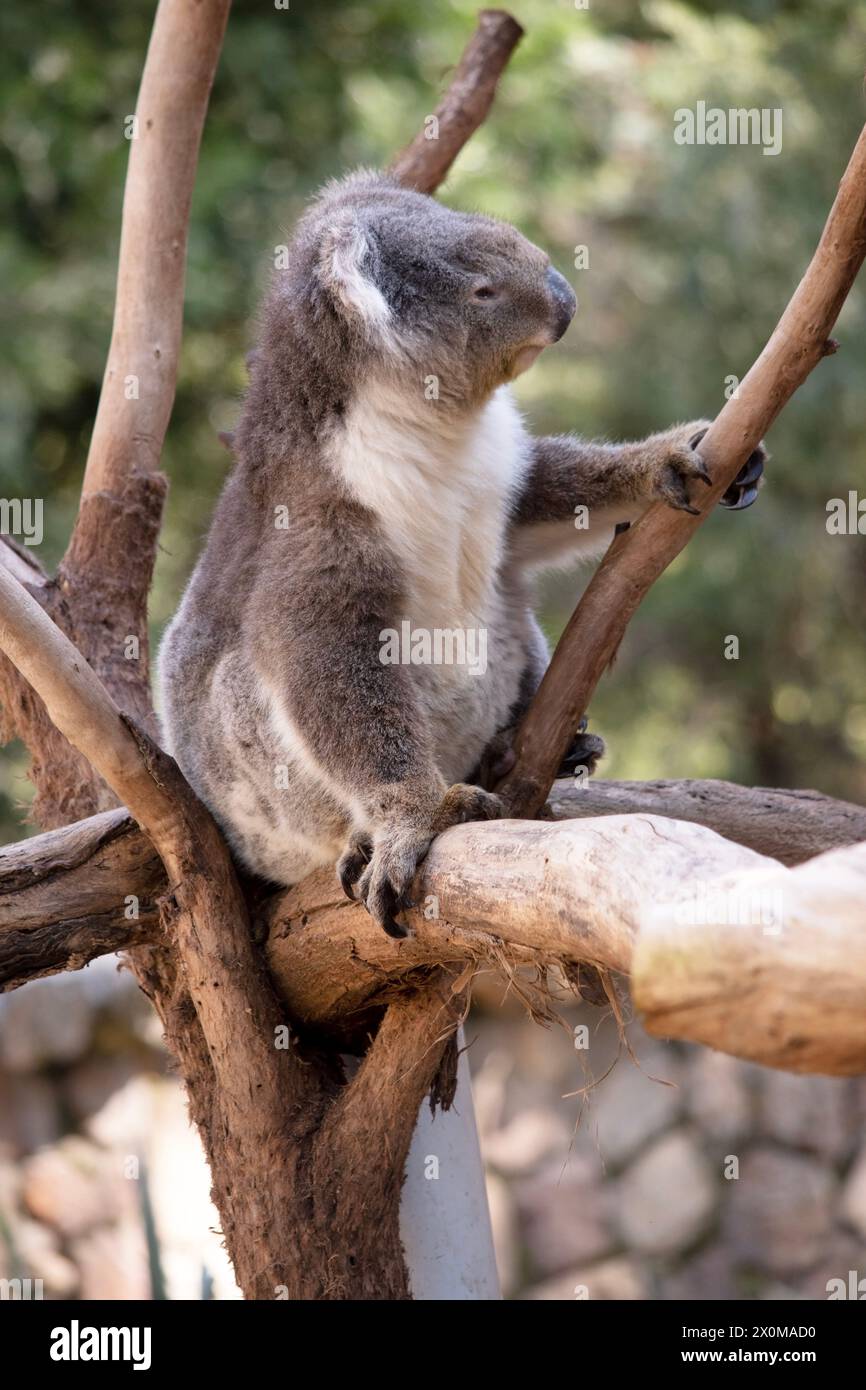
Their fur can appear different depending on the region and individual, but generally, they are recognized by their greyish coat. Koalas are most commonly described as having a fur color that ranges from silver grey to light brown, with some individuals exhibiting darker brown or chocolate hues.
A koala's fur color also changes with age; newborn joeys are initially hairless and pink, with fur developing and darkening to a dark brown or black within their first few months. Other Distinctive Features Beyond their fur, koalas have several other physical attributes that make them instantly recognizable.
The color of a koala's fur is essential for their ability to camouflage and blend in with their surroundings. The shades of grey and brown mimic the colors of tree bark, making it difficult for predators to spot them among the branches. The variations in fur color and patterns further enhance their camouflage by breaking up their silhouette.
The Importance of Koala Colors Koala colors play a vital role in their survival, social behavior, and adaptation to their environment. The color of a koala's fur can influence its ability to regulate body temperature, communicate with other koalas, and even affect its susceptibility to diseases. For instance, koalas with lighter.
The Koala Has A Large Round Head, Big Furry Ears And Big Black Nose ...
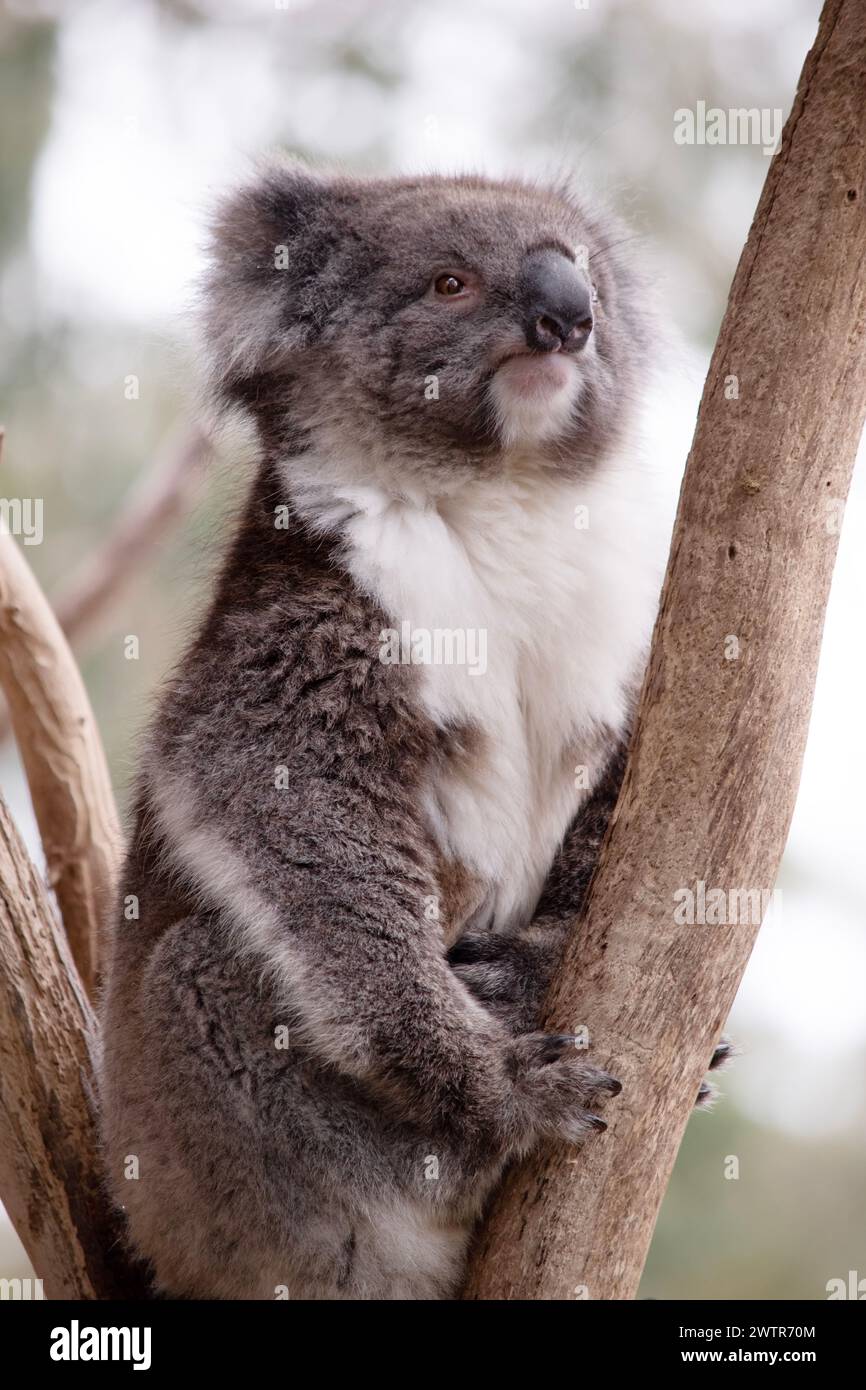
Koalas range in color from slate gray to reddish brown, according to Sea World. Koala fur isn't as soft as it looks. It is very coarse, like wool. This fur repels water to keep them dry in the rain.
The Queensland koala is the smallest, with silver or grey short hairs and a shorter skull. The Victorian koala is the largest, with shaggier, brown fur and a wider skull. [22]: 7 [23] The geographic limits of these variations are based on state borders, and their status as subspecies is disputed.
Koalas also have slight variations within their fur such as fur color and thickness etc. These variations are primarily dependent on the type of koalas as well. For example, koalas from the northern regions have light gray or gray colored fur, whereas; koalas from the southern regions have brown colored fur. The northern region koalas are also called the gray koalas while the southern region.
The color of a koala's fur is essential for their ability to camouflage and blend in with their surroundings. The shades of grey and brown mimic the colors of tree bark, making it difficult for predators to spot them among the branches. The variations in fur color and patterns further enhance their camouflage by breaking up their silhouette.
23 Koala Color Palette Ideas In 2024 | IColorpalette

Their fur can appear different depending on the region and individual, but generally, they are recognized by their greyish coat. Koalas are most commonly described as having a fur color that ranges from silver grey to light brown, with some individuals exhibiting darker brown or chocolate hues.
A koala's fur color also changes with age; newborn joeys are initially hairless and pink, with fur developing and darkening to a dark brown or black within their first few months. Other Distinctive Features Beyond their fur, koalas have several other physical attributes that make them instantly recognizable.
The Queensland koala is the smallest, with silver or grey short hairs and a shorter skull. The Victorian koala is the largest, with shaggier, brown fur and a wider skull. [22]: 7 [23] The geographic limits of these variations are based on state borders, and their status as subspecies is disputed.
What color is the fur color of the northern koala? Koalas in the north have woolly light grey fur. The difference between the northern koalas and those found in the south is that southern koalas.
What Is The Role Of The Koala's Fur And Its Coloration?

Koalas range in color from slate gray to reddish brown, according to Sea World. Koala fur isn't as soft as it looks. It is very coarse, like wool. This fur repels water to keep them dry in the rain.
Their fur can appear different depending on the region and individual, but generally, they are recognized by their greyish coat. Koalas are most commonly described as having a fur color that ranges from silver grey to light brown, with some individuals exhibiting darker brown or chocolate hues.
What color is the fur color of the northern koala? Koalas in the north have woolly light grey fur. The difference between the northern koalas and those found in the south is that southern koalas.
The Koala's fur - a protective "raincoat" Koalas have thick, woolly fur which protects them from the extremes of both high and low temperatures, and which also acts like a 'raincoat' to repel moisture when it rains. The fur varies in colour from light grey to brown. Koalas in the south generally tend to have fur which is darker and thicker (and sometimes browner) than those in the.
What Is The Role Of The Koala's Fur And Its Coloration?
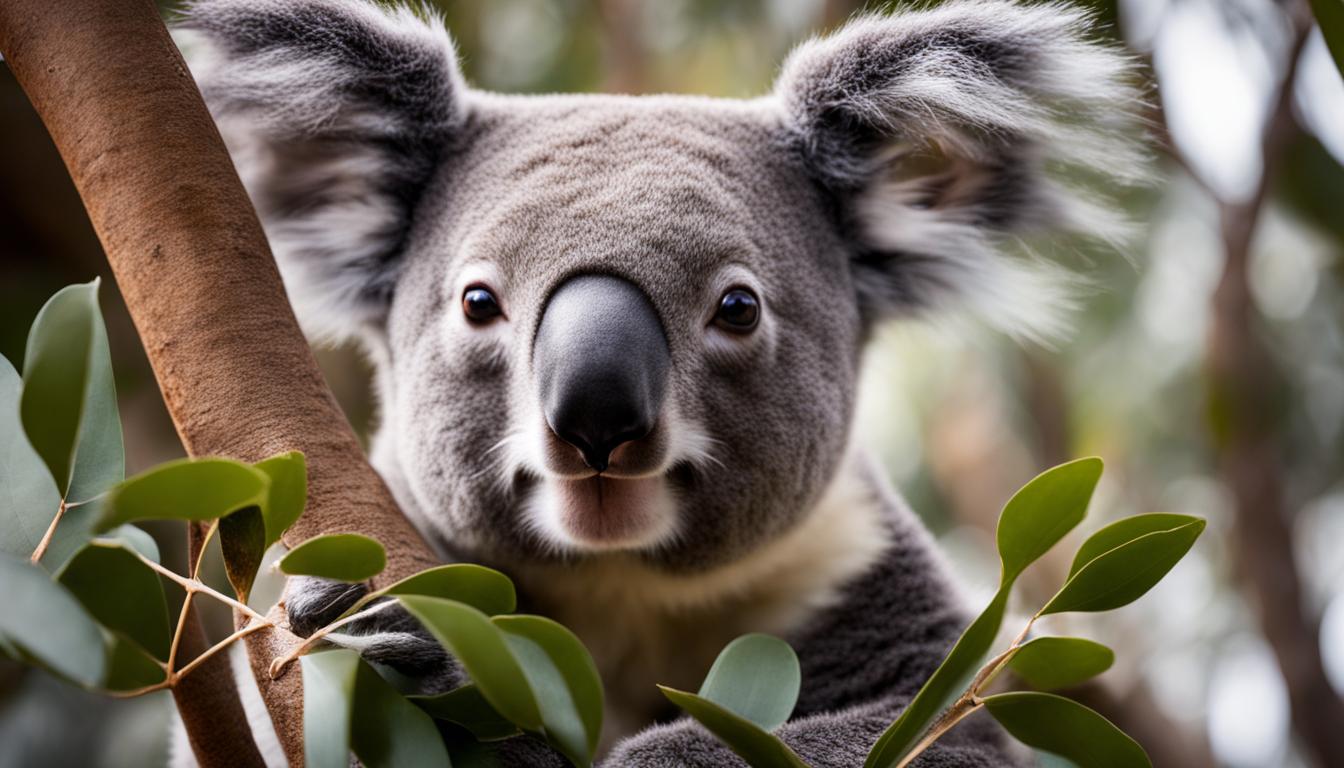
* Genetics: Like with any animal, individual koalas inherit their fur color from their parents. Different genes contribute to the variations in shade and pattern. * Geographic location: There are subtle differences in fur color among different koala populations.
Koalas range in color from slate gray to reddish brown, according to Sea World. Koala fur isn't as soft as it looks. It is very coarse, like wool. This fur repels water to keep them dry in the rain.
The Koala's fur - a protective "raincoat" Koalas have thick, woolly fur which protects them from the extremes of both high and low temperatures, and which also acts like a 'raincoat' to repel moisture when it rains. The fur varies in colour from light grey to brown. Koalas in the south generally tend to have fur which is darker and thicker (and sometimes browner) than those in the.
A koala's fur color also changes with age; newborn joeys are initially hairless and pink, with fur developing and darkening to a dark brown or black within their first few months. Other Distinctive Features Beyond their fur, koalas have several other physical attributes that make them instantly recognizable.
The Koala Has A Large Round Head, Big Furry Ears And Big Black Nose ...
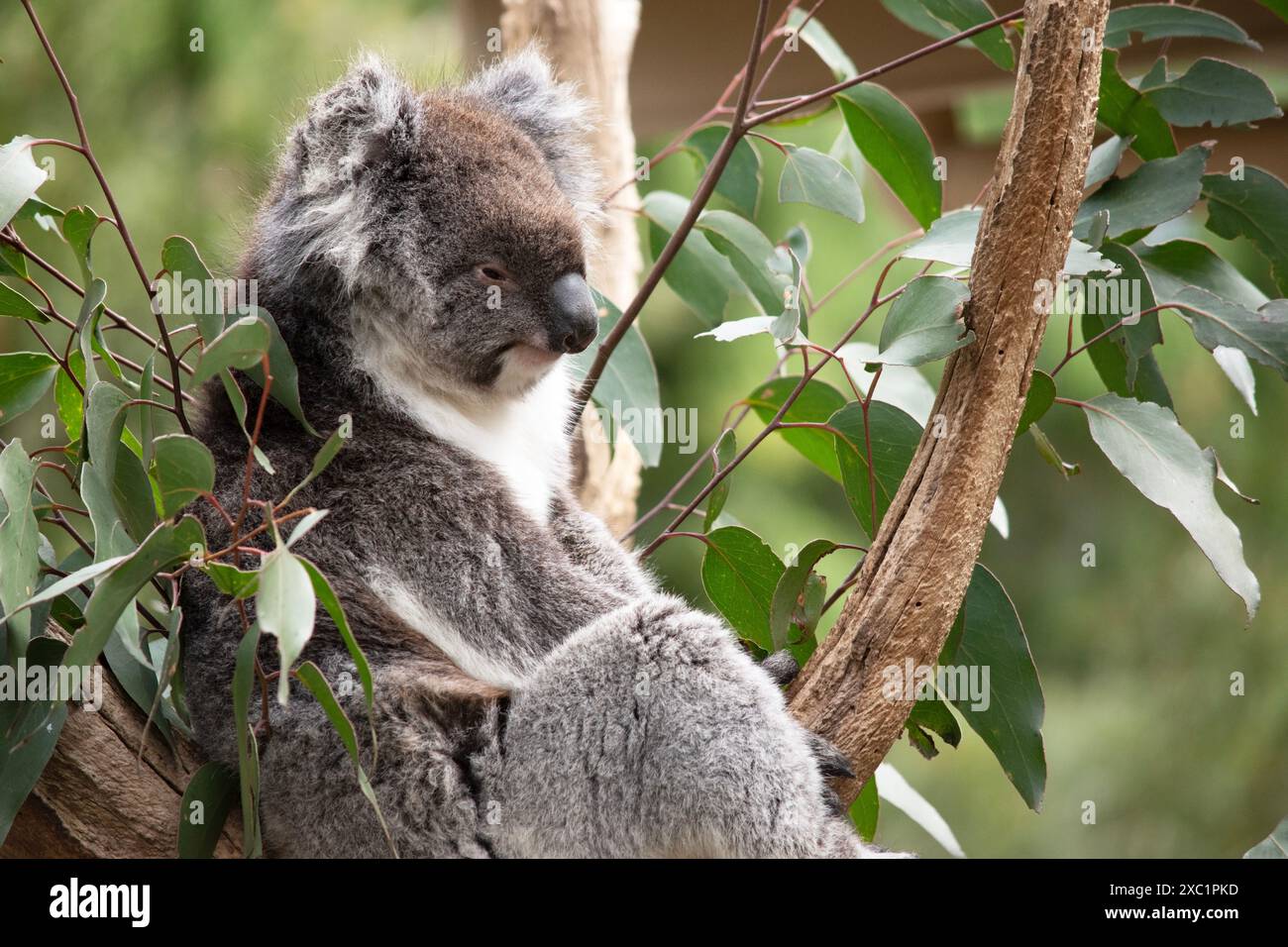
The Koala's fur - a protective "raincoat" Koalas have thick, woolly fur which protects them from the extremes of both high and low temperatures, and which also acts like a 'raincoat' to repel moisture when it rains. The fur varies in colour from light grey to brown. Koalas in the south generally tend to have fur which is darker and thicker (and sometimes browner) than those in the.
A koala's fur color also changes with age; newborn joeys are initially hairless and pink, with fur developing and darkening to a dark brown or black within their first few months. Other Distinctive Features Beyond their fur, koalas have several other physical attributes that make them instantly recognizable.
Koalas range in color from slate gray to reddish brown, according to Sea World. Koala fur isn't as soft as it looks. It is very coarse, like wool. This fur repels water to keep them dry in the rain.
The Importance of Koala Colors Koala colors play a vital role in their survival, social behavior, and adaptation to their environment. The color of a koala's fur can influence its ability to regulate body temperature, communicate with other koalas, and even affect its susceptibility to diseases. For instance, koalas with lighter.
The Koala Has A Large Round Head, Big Furry Ears And Big Black Nose ...
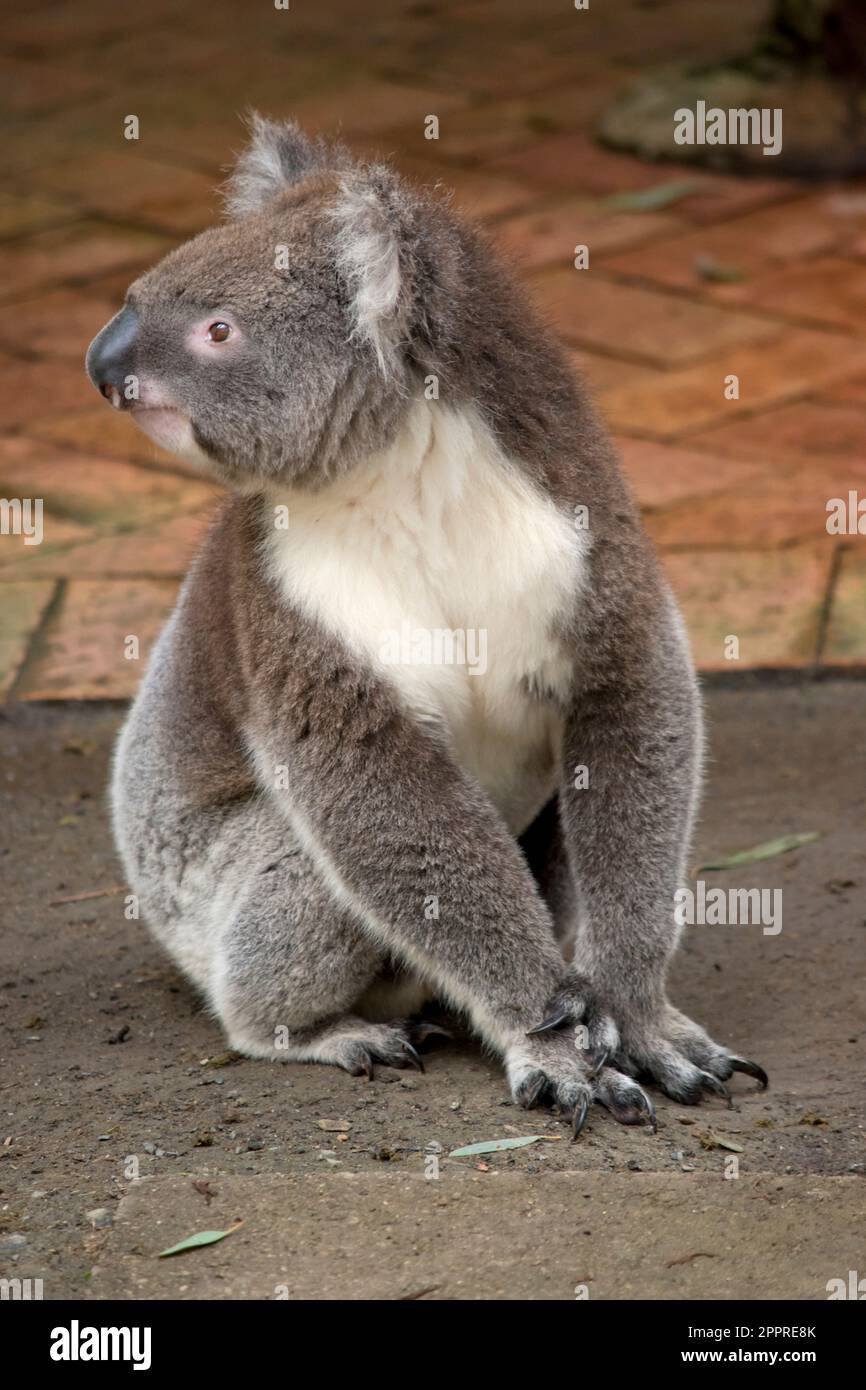
Koalas range in color from slate gray to reddish brown, according to Sea World. Koala fur isn't as soft as it looks. It is very coarse, like wool. This fur repels water to keep them dry in the rain.
Koalas also have slight variations within their fur such as fur color and thickness etc. These variations are primarily dependent on the type of koalas as well. For example, koalas from the northern regions have light gray or gray colored fur, whereas; koalas from the southern regions have brown colored fur. The northern region koalas are also called the gray koalas while the southern region.
What color is the fur color of the northern koala? Koalas in the north have woolly light grey fur. The difference between the northern koalas and those found in the south is that southern koalas.
* Genetics: Like with any animal, individual koalas inherit their fur color from their parents. Different genes contribute to the variations in shade and pattern. * Geographic location: There are subtle differences in fur color among different koala populations.
What color is the fur color of the northern koala? Koalas in the north have woolly light grey fur. The difference between the northern koalas and those found in the south is that southern koalas.
The Koala's fur - a protective "raincoat" Koalas have thick, woolly fur which protects them from the extremes of both high and low temperatures, and which also acts like a 'raincoat' to repel moisture when it rains. The fur varies in colour from light grey to brown. Koalas in the south generally tend to have fur which is darker and thicker (and sometimes browner) than those in the.
A koala's fur color also changes with age; newborn joeys are initially hairless and pink, with fur developing and darkening to a dark brown or black within their first few months. Other Distinctive Features Beyond their fur, koalas have several other physical attributes that make them instantly recognizable.
Koalas also have slight variations within their fur such as fur color and thickness etc. These variations are primarily dependent on the type of koalas as well. For example, koalas from the northern regions have light gray or gray colored fur, whereas; koalas from the southern regions have brown colored fur. The northern region koalas are also called the gray koalas while the southern region.
Their fur can appear different depending on the region and individual, but generally, they are recognized by their greyish coat. Koalas are most commonly described as having a fur color that ranges from silver grey to light brown, with some individuals exhibiting darker brown or chocolate hues.
The color of a koala's fur is essential for their ability to camouflage and blend in with their surroundings. The shades of grey and brown mimic the colors of tree bark, making it difficult for predators to spot them among the branches. The variations in fur color and patterns further enhance their camouflage by breaking up their silhouette.
The Importance of Koala Colors Koala colors play a vital role in their survival, social behavior, and adaptation to their environment. The color of a koala's fur can influence its ability to regulate body temperature, communicate with other koalas, and even affect its susceptibility to diseases. For instance, koalas with lighter.
The Queensland koala is the smallest, with silver or grey short hairs and a shorter skull. The Victorian koala is the largest, with shaggier, brown fur and a wider skull. [22]: 7 [23] The geographic limits of these variations are based on state borders, and their status as subspecies is disputed.
Koalas range in color from slate gray to reddish brown, according to Sea World. Koala fur isn't as soft as it looks. It is very coarse, like wool. This fur repels water to keep them dry in the rain.
* Genetics: Like with any animal, individual koalas inherit their fur color from their parents. Different genes contribute to the variations in shade and pattern. * Geographic location: There are subtle differences in fur color among different koala populations.