Snake Tongue Color Meaning
Tongue colors in snakes I have really hard time finding any published work on the following two questions: 1, What is the significance of different tongue colors in snakes? and 2. While there have been many studies on the role of tongue flicking and collection of data by the tip of forked tongue of snake and its analysis by Jacobson organ, what is the purpose and function of other parts of the.
The snake had come up from below, probably curious about where the hole led to. Curiosity is common in reptiles and mammals. The plump snake was easily identified as a Sonoran Gopher snake, Pituophis catenifer affinis. This nonvenomous snake has adapted to living with people very nicely, which is beneficial to us. Back to the tongue.
Snake tongue color. Image via Unsplash The color of a snake's tongue can be a direct reflection of its physical health. In many cases, a healthy snake will have a brightly colored or consistent-toned tongue. Any variation from its usual color, such as unusual redness, paleness, or discoloration, could signal health issues. These changes might indicate stress, infection, or nutritional.
Various snake species have different colored tongues. Some species have dark colored tongues, while others are bright red, blue or cream. In some species -- garter snakes (Thamnophis sirtalis ssp.) provide an excellent example -- the tongue is often red at the base, while the tips are black. Individual variation exists in some species as well, with different specimens exhibiting differently.
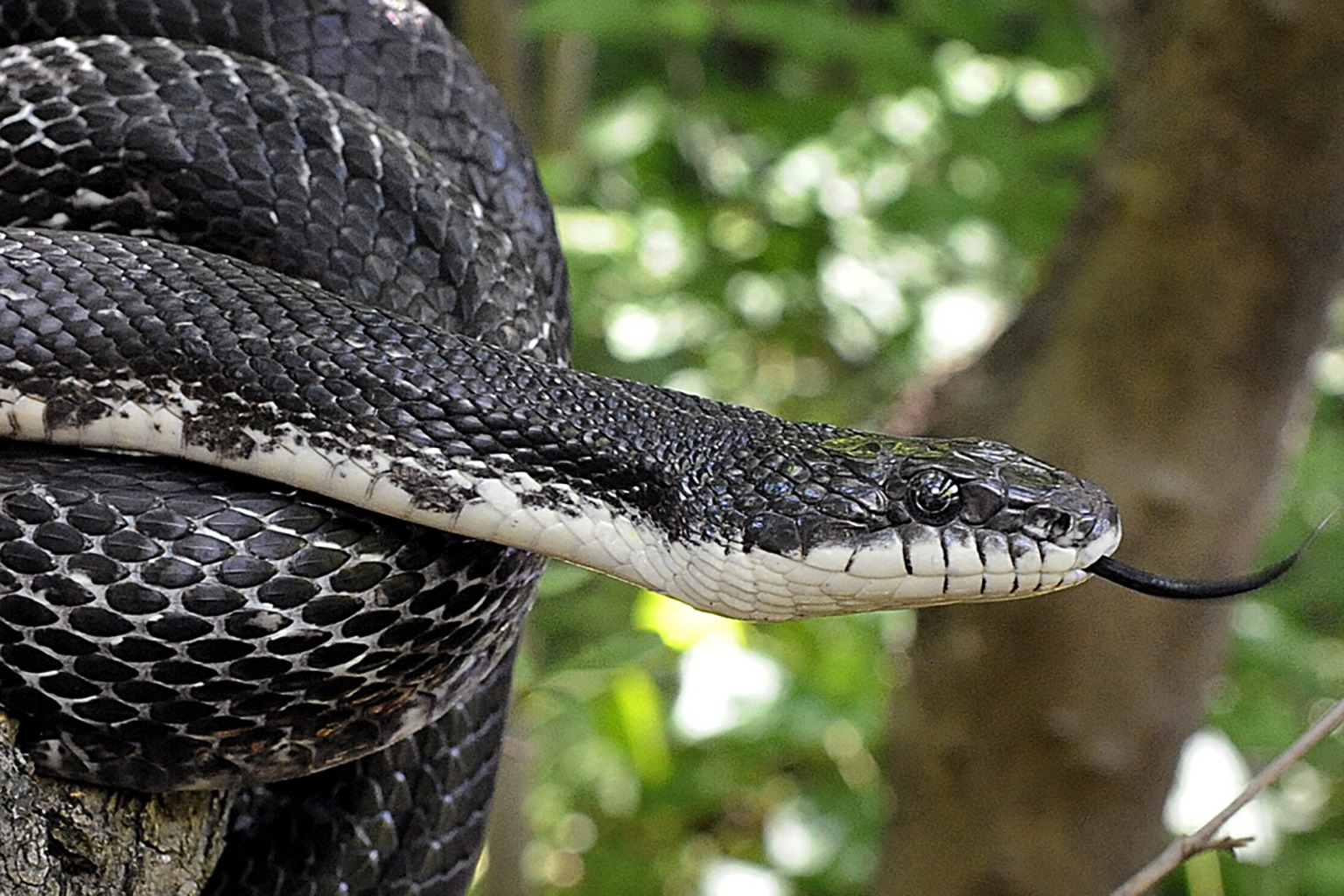
File:Black Rat Snake-.JPG
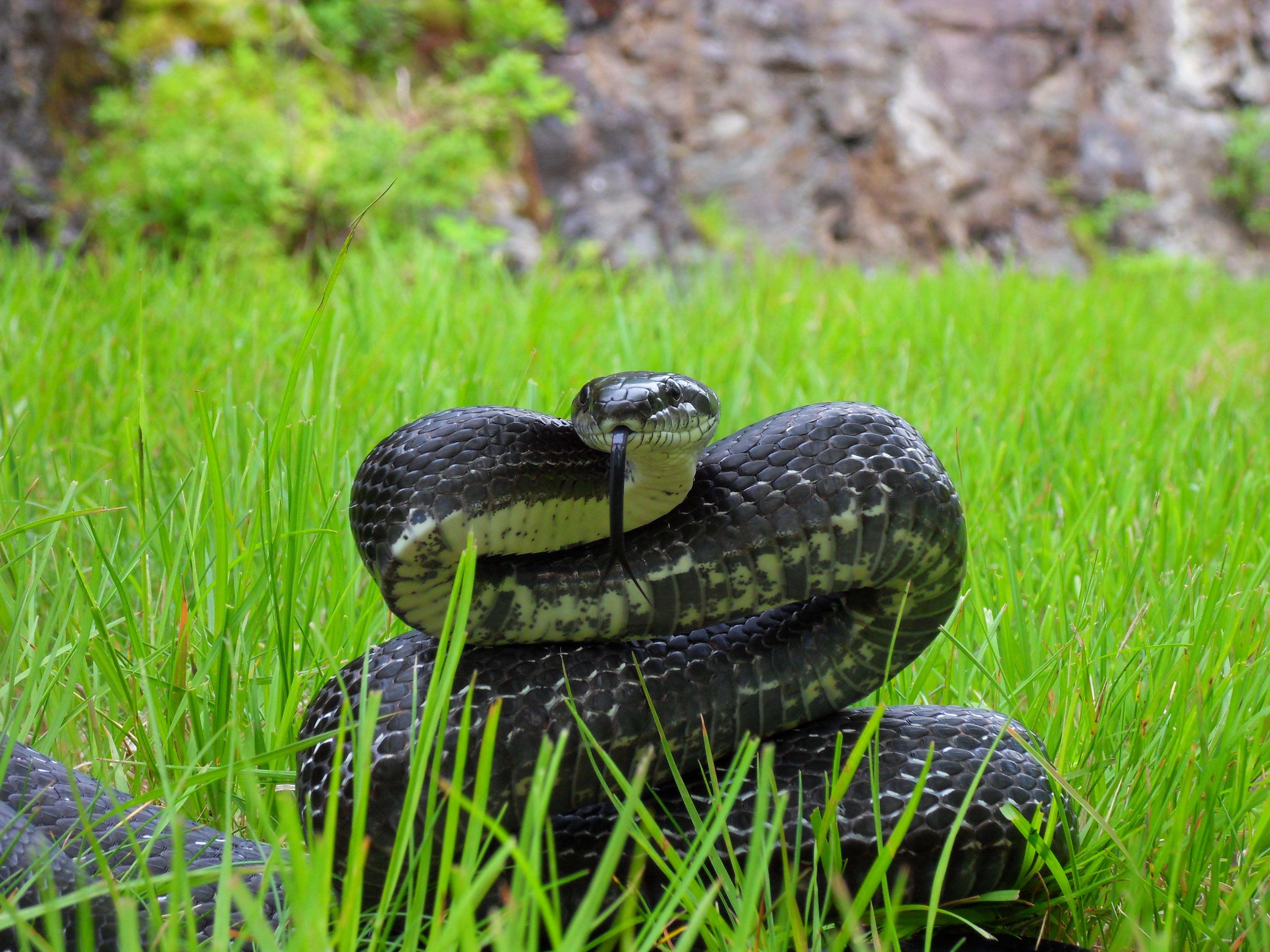
What color is a snakes tongue? Snakes' tongues come in different colors, such as cream, blue, red, and even black! Even more astonishingly, snakes' tongues can sometimes have more than one color. The garter snake, for example, has a red tongue up until the fork part, where it turns black. Many other snakes have multicolored tongues.
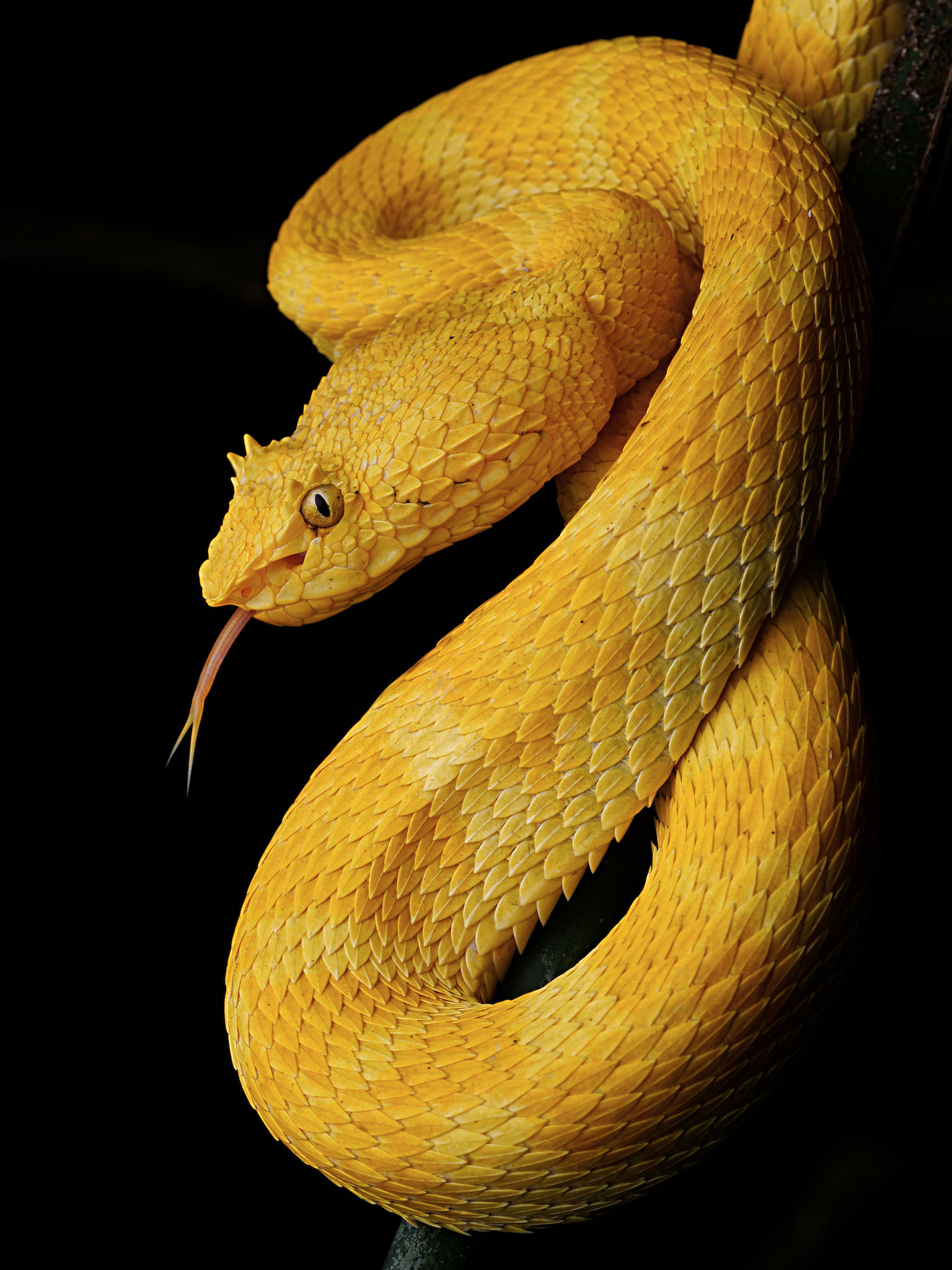
Snake colors originate from specialized cells called chromatophores located in their skin. These cells contain pigments that determine the color we see, with melanophores producing black and brown colors, xanthophores creating yellows and reds, and iridophores generating structural colors that create blue, green, and iridescent effects. The distribution and concentration of these.
Close relatives: a red tongue with a black tip is found in virtually all garter snake species. This includes the giant garter snake of California, terrestrial garter snake of high altitudes, and eastern ribbon snake of Pennsylvania.
Snake tongue color. Image via Unsplash The color of a snake's tongue can be a direct reflection of its physical health. In many cases, a healthy snake will have a brightly colored or consistent-toned tongue. Any variation from its usual color, such as unusual redness, paleness, or discoloration, could signal health issues. These changes might indicate stress, infection, or nutritional.
Garter Snake
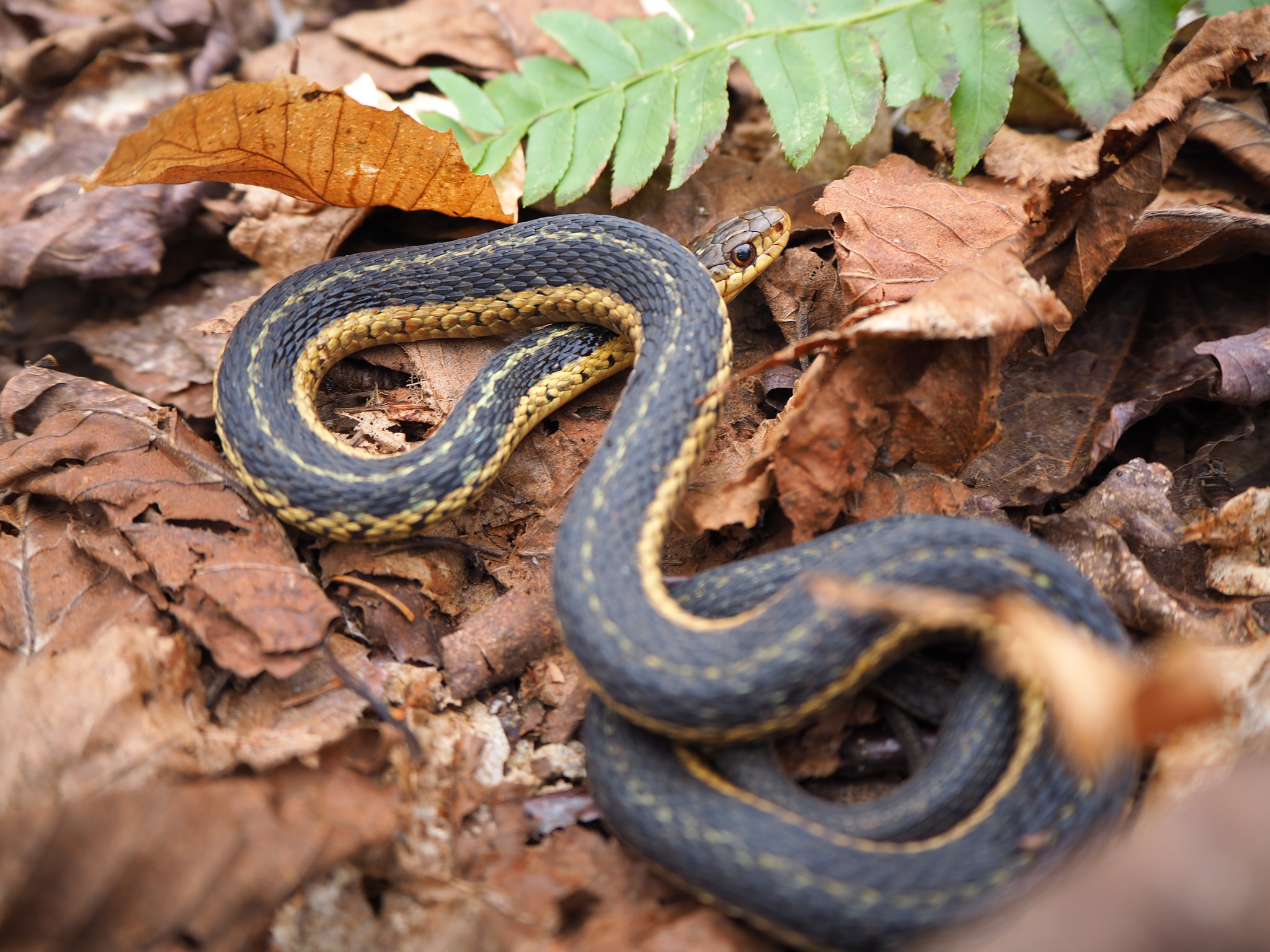
Close relatives: a red tongue with a black tip is found in virtually all garter snake species. This includes the giant garter snake of California, terrestrial garter snake of high altitudes, and eastern ribbon snake of Pennsylvania.
The snake had come up from below, probably curious about where the hole led to. Curiosity is common in reptiles and mammals. The plump snake was easily identified as a Sonoran Gopher snake, Pituophis catenifer affinis. This nonvenomous snake has adapted to living with people very nicely, which is beneficial to us. Back to the tongue.
Snake colors originate from specialized cells called chromatophores located in their skin. These cells contain pigments that determine the color we see, with melanophores producing black and brown colors, xanthophores creating yellows and reds, and iridophores generating structural colors that create blue, green, and iridescent effects. The distribution and concentration of these.
Various snake species have different colored tongues. Some species have dark colored tongues, while others are bright red, blue or cream. In some species -- garter snakes (Thamnophis sirtalis ssp.) provide an excellent example -- the tongue is often red at the base, while the tips are black. Individual variation exists in some species as well, with different specimens exhibiting differently.
How To Avoid Snakes Slithering Up Your Toilet | The Family Handyman
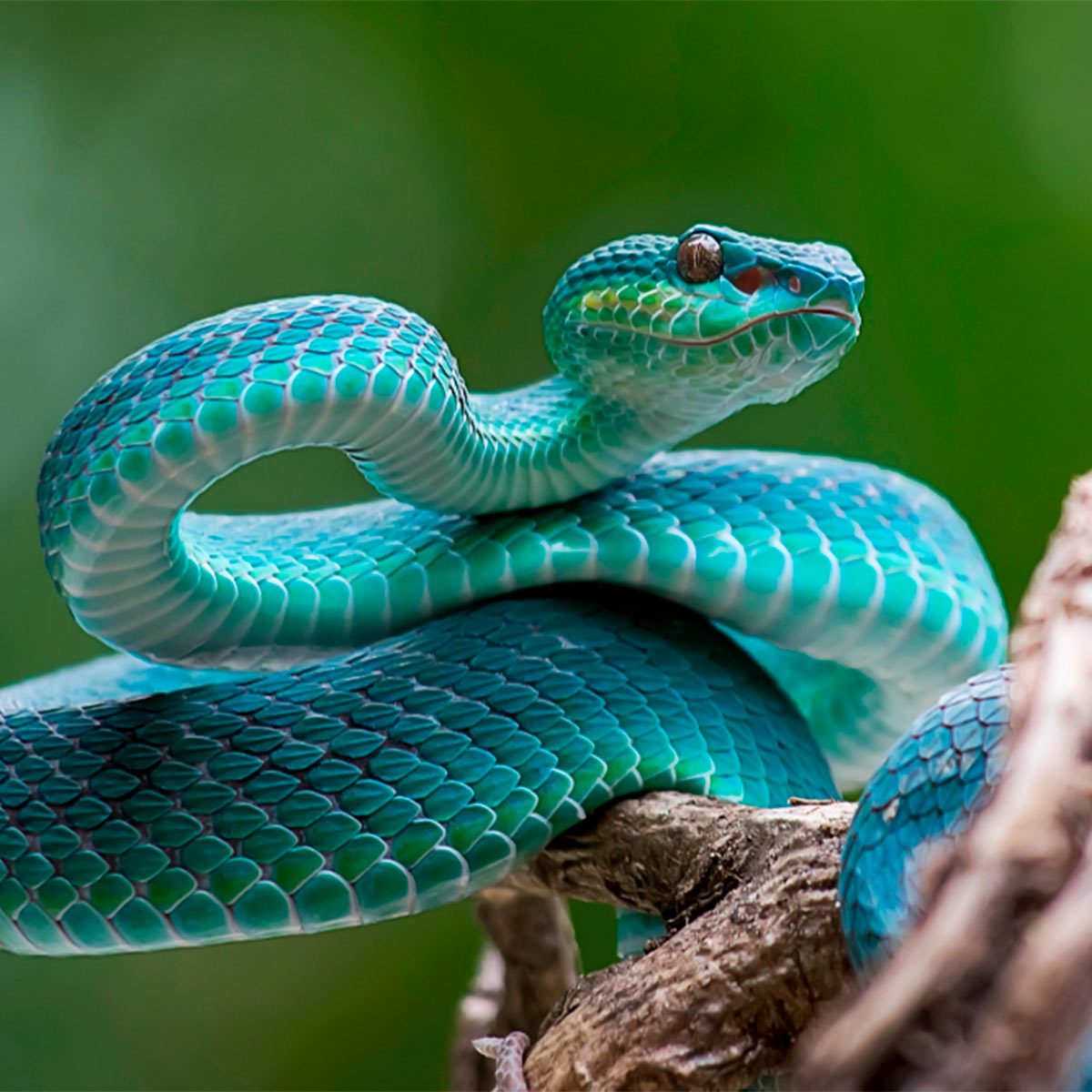
Humans are pretty limited in tongue colors, but this isn't the same for snakes. Snakes' tongues come in different colors, such as cream, blue, red, and even black! Even more astonishingly, snakes' tongues can sometimes have more than one color. The garter snake, for example, has a red tongue up until the fork part, where it turns black.
Various snake species have different colored tongues. Some species have dark colored tongues, while others are bright red, blue or cream. In some species -- garter snakes (Thamnophis sirtalis ssp.) provide an excellent example -- the tongue is often red at the base, while the tips are black. Individual variation exists in some species as well, with different specimens exhibiting differently.
Snake colors originate from specialized cells called chromatophores located in their skin. These cells contain pigments that determine the color we see, with melanophores producing black and brown colors, xanthophores creating yellows and reds, and iridophores generating structural colors that create blue, green, and iridescent effects. The distribution and concentration of these.
As a snake's sight and hearing is quite limited, you'll see them doing this often. Slow and controlled tongue flicks simply mean your snake is taking in its surroundings. Short, rapid tongue flicks usually indicate something has really grabbed your snake's attention, such as a mouse or other food.
Snake Wallpapers - Top Free Snake Backgrounds - WallpaperAccess
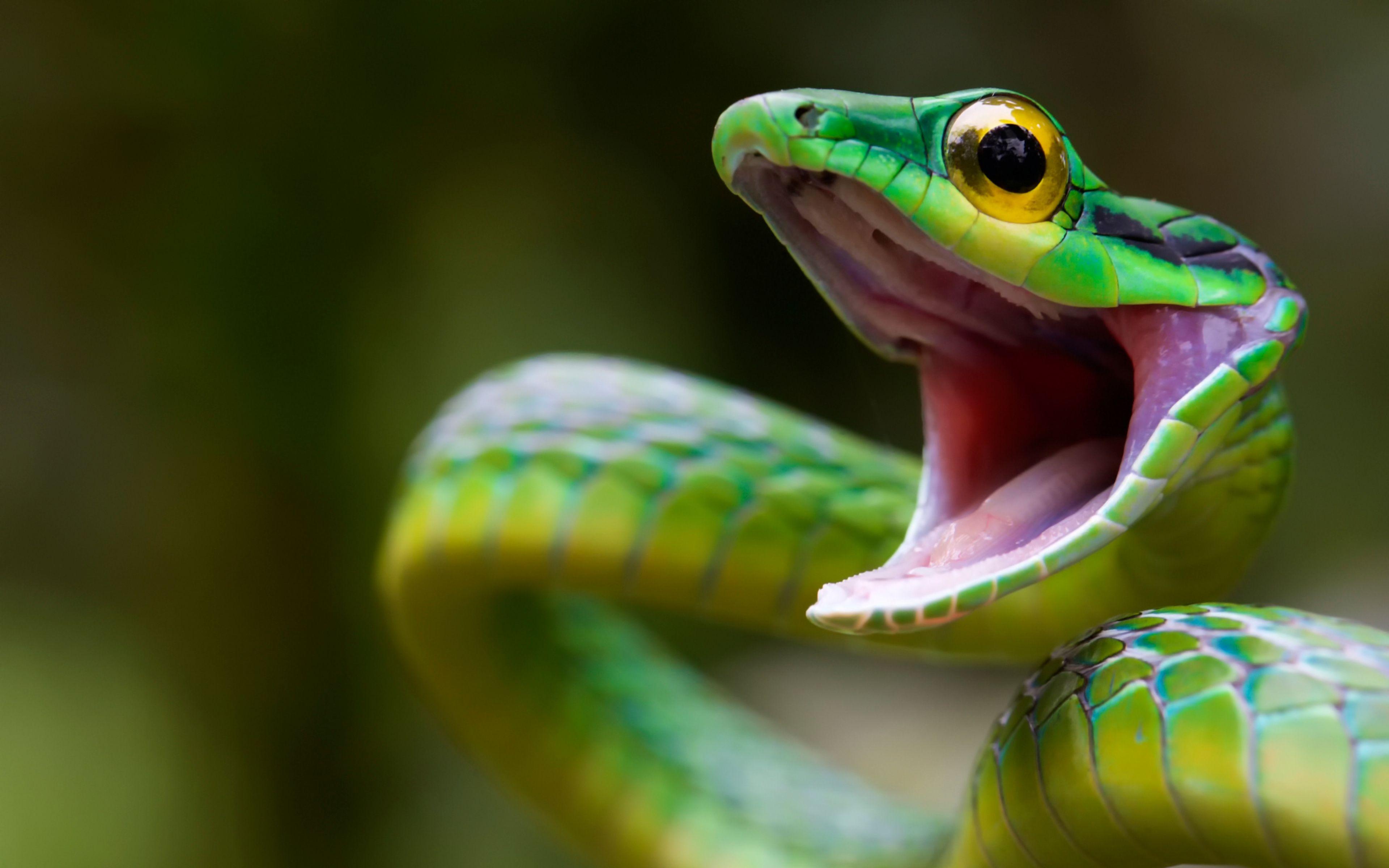
Snake colors originate from specialized cells called chromatophores located in their skin. These cells contain pigments that determine the color we see, with melanophores producing black and brown colors, xanthophores creating yellows and reds, and iridophores generating structural colors that create blue, green, and iridescent effects. The distribution and concentration of these.
That's just one example, but I think you get what I mean. (?) Anyhow, some of the selection forces that have created the snakes we are familiar with today may have indirectly caused changes in stages of fetal development which in turn resulted in the wide array of tongue colors between species. I try to write as much in plain English as I can.
Tongue colors in snakes I have really hard time finding any published work on the following two questions: 1, What is the significance of different tongue colors in snakes? and 2. While there have been many studies on the role of tongue flicking and collection of data by the tip of forked tongue of snake and its analysis by Jacobson organ, what is the purpose and function of other parts of the.
Snake tongue color. Image via Unsplash The color of a snake's tongue can be a direct reflection of its physical health. In many cases, a healthy snake will have a brightly colored or consistent-toned tongue. Any variation from its usual color, such as unusual redness, paleness, or discoloration, could signal health issues. These changes might indicate stress, infection, or nutritional.
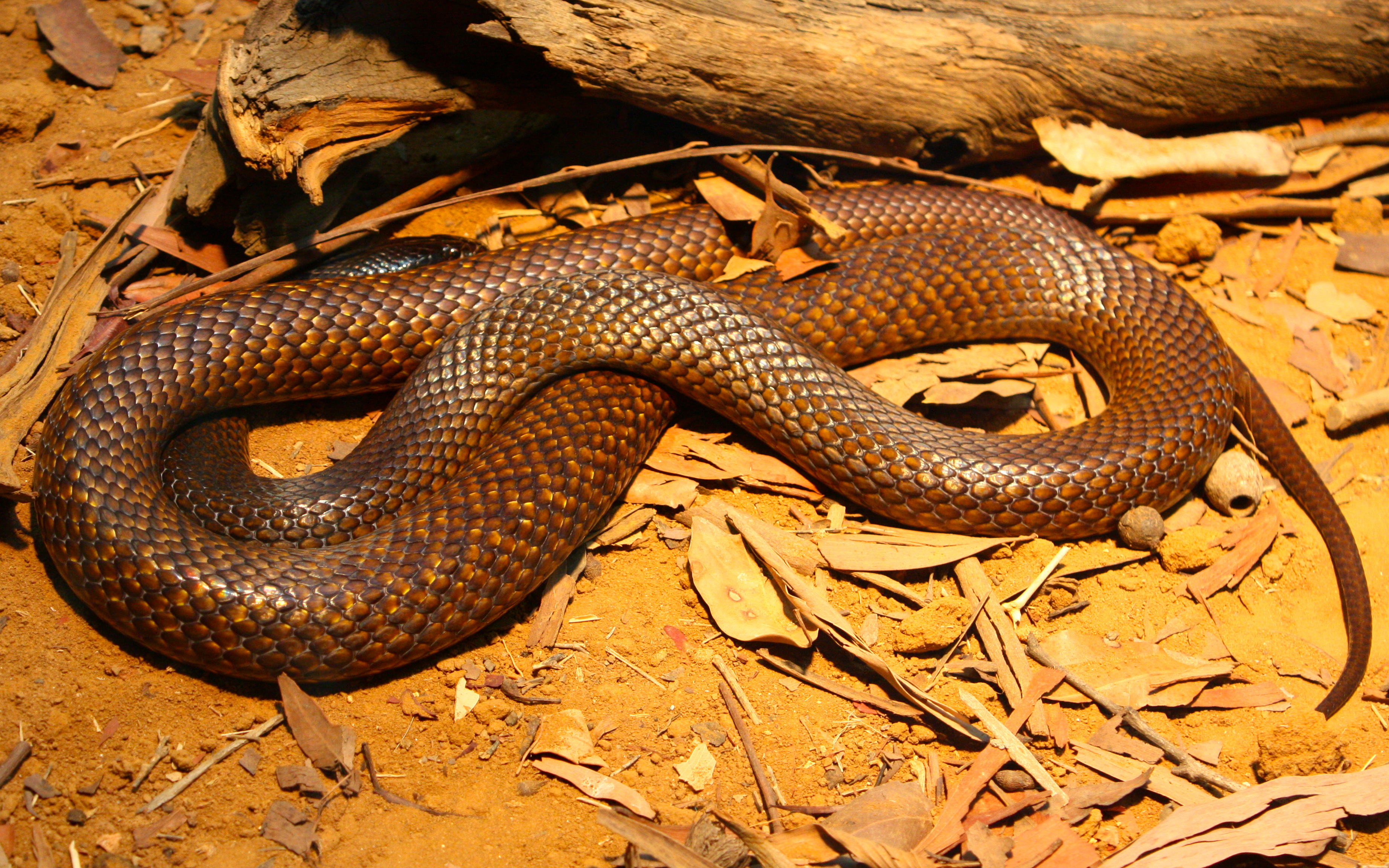
File:Western Brown Snake.jpg - Wikimedia Commons
As a snake's sight and hearing is quite limited, you'll see them doing this often. Slow and controlled tongue flicks simply mean your snake is taking in its surroundings. Short, rapid tongue flicks usually indicate something has really grabbed your snake's attention, such as a mouse or other food.
Humans are pretty limited in tongue colors, but this isn't the same for snakes. Snakes' tongues come in different colors, such as cream, blue, red, and even black! Even more astonishingly, snakes' tongues can sometimes have more than one color. The garter snake, for example, has a red tongue up until the fork part, where it turns black.
That's just one example, but I think you get what I mean. (?) Anyhow, some of the selection forces that have created the snakes we are familiar with today may have indirectly caused changes in stages of fetal development which in turn resulted in the wide array of tongue colors between species. I try to write as much in plain English as I can.
Snake tongue color. Image via Unsplash The color of a snake's tongue can be a direct reflection of its physical health. In many cases, a healthy snake will have a brightly colored or consistent-toned tongue. Any variation from its usual color, such as unusual redness, paleness, or discoloration, could signal health issues. These changes might indicate stress, infection, or nutritional.
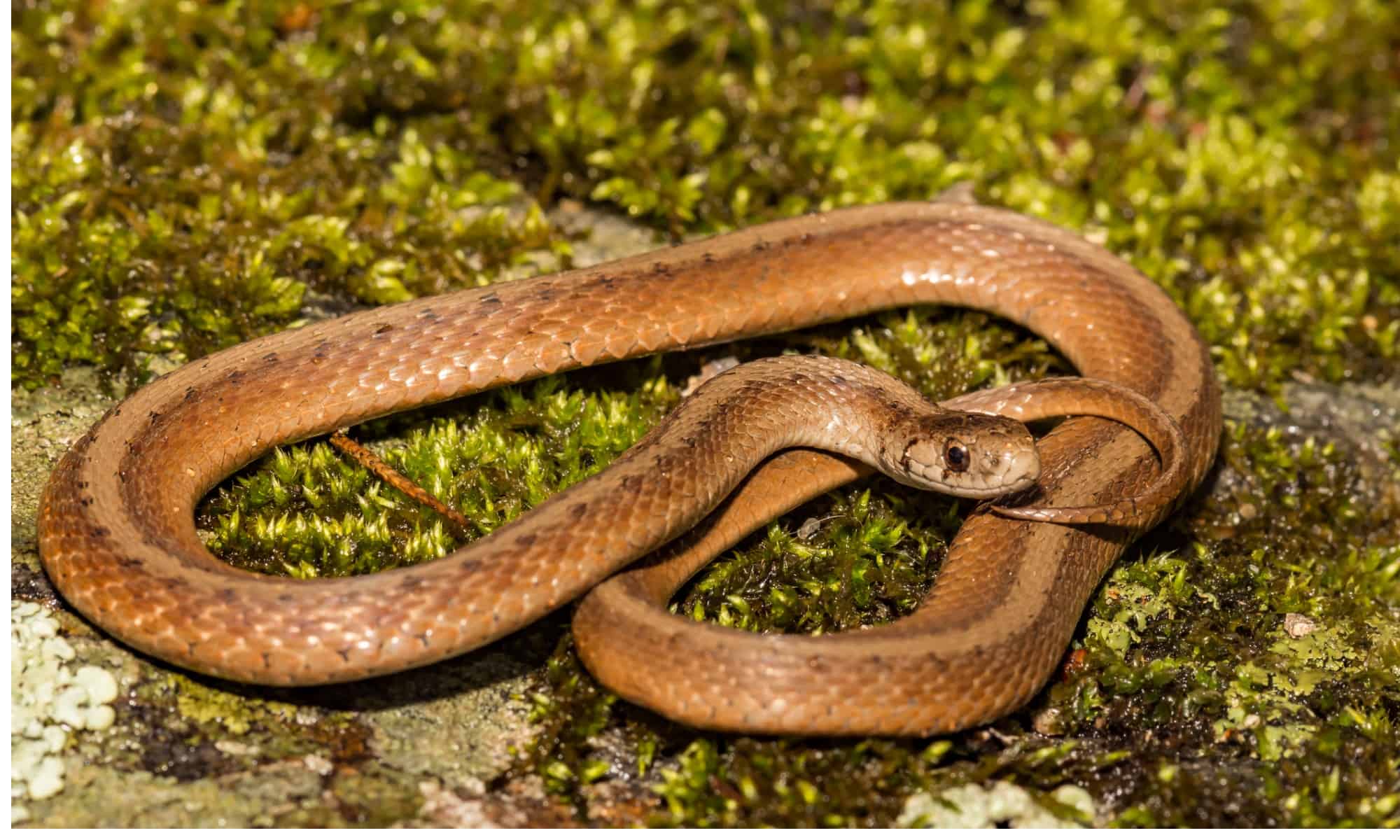
De Kay’s Brown Snake Animal Facts - Storeria Dekayi - A-Z Animals
Snake tongue color. Image via Unsplash The color of a snake's tongue can be a direct reflection of its physical health. In many cases, a healthy snake will have a brightly colored or consistent-toned tongue. Any variation from its usual color, such as unusual redness, paleness, or discoloration, could signal health issues. These changes might indicate stress, infection, or nutritional.
Snake colors originate from specialized cells called chromatophores located in their skin. These cells contain pigments that determine the color we see, with melanophores producing black and brown colors, xanthophores creating yellows and reds, and iridophores generating structural colors that create blue, green, and iridescent effects. The distribution and concentration of these.
The snake had come up from below, probably curious about where the hole led to. Curiosity is common in reptiles and mammals. The plump snake was easily identified as a Sonoran Gopher snake, Pituophis catenifer affinis. This nonvenomous snake has adapted to living with people very nicely, which is beneficial to us. Back to the tongue.
Close relatives: a red tongue with a black tip is found in virtually all garter snake species. This includes the giant garter snake of California, terrestrial garter snake of high altitudes, and eastern ribbon snake of Pennsylvania.
King Snake Vs Rat Snake
Close relatives: a red tongue with a black tip is found in virtually all garter snake species. This includes the giant garter snake of California, terrestrial garter snake of high altitudes, and eastern ribbon snake of Pennsylvania.
Snake colors originate from specialized cells called chromatophores located in their skin. These cells contain pigments that determine the color we see, with melanophores producing black and brown colors, xanthophores creating yellows and reds, and iridophores generating structural colors that create blue, green, and iridescent effects. The distribution and concentration of these.
That's just one example, but I think you get what I mean. (?) Anyhow, some of the selection forces that have created the snakes we are familiar with today may have indirectly caused changes in stages of fetal development which in turn resulted in the wide array of tongue colors between species. I try to write as much in plain English as I can.
What color is a snakes tongue? Snakes' tongues come in different colors, such as cream, blue, red, and even black! Even more astonishingly, snakes' tongues can sometimes have more than one color. The garter snake, for example, has a red tongue up until the fork part, where it turns black. Many other snakes have multicolored tongues.
Snake Striking At Camera
Tongue colors in snakes I have really hard time finding any published work on the following two questions: 1, What is the significance of different tongue colors in snakes? and 2. While there have been many studies on the role of tongue flicking and collection of data by the tip of forked tongue of snake and its analysis by Jacobson organ, what is the purpose and function of other parts of the.
Humans are pretty limited in tongue colors, but this isn't the same for snakes. Snakes' tongues come in different colors, such as cream, blue, red, and even black! Even more astonishingly, snakes' tongues can sometimes have more than one color. The garter snake, for example, has a red tongue up until the fork part, where it turns black.
Various snake species have different colored tongues. Some species have dark colored tongues, while others are bright red, blue or cream. In some species -- garter snakes (Thamnophis sirtalis ssp.) provide an excellent example -- the tongue is often red at the base, while the tips are black. Individual variation exists in some species as well, with different specimens exhibiting differently.
Close relatives: a red tongue with a black tip is found in virtually all garter snake species. This includes the giant garter snake of California, terrestrial garter snake of high altitudes, and eastern ribbon snake of Pennsylvania.
Snake Animal Facts - AZ Animals
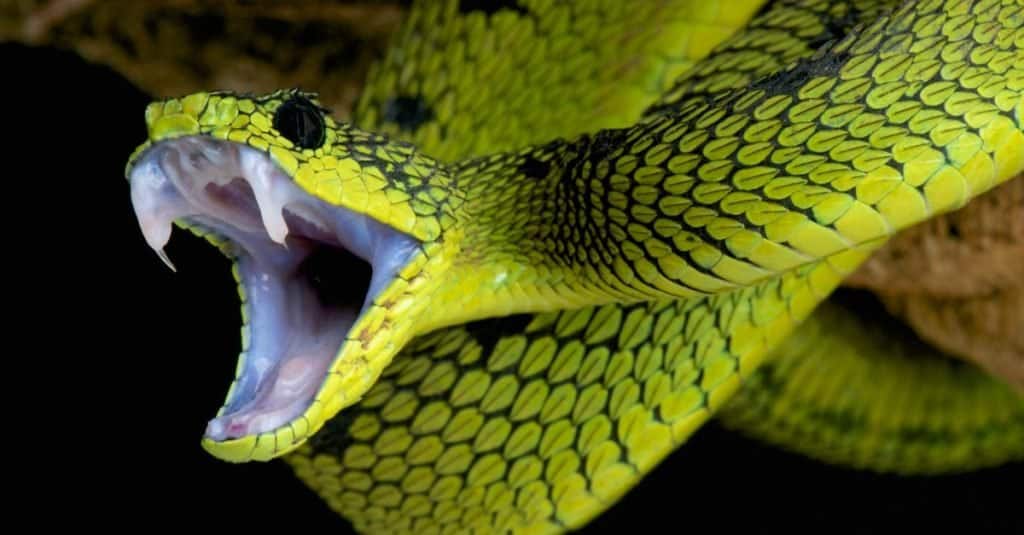
Humans are pretty limited in tongue colors, but this isn't the same for snakes. Snakes' tongues come in different colors, such as cream, blue, red, and even black! Even more astonishingly, snakes' tongues can sometimes have more than one color. The garter snake, for example, has a red tongue up until the fork part, where it turns black.
Snake tongue color. Image via Unsplash The color of a snake's tongue can be a direct reflection of its physical health. In many cases, a healthy snake will have a brightly colored or consistent-toned tongue. Any variation from its usual color, such as unusual redness, paleness, or discoloration, could signal health issues. These changes might indicate stress, infection, or nutritional.
What color is a snakes tongue? Snakes' tongues come in different colors, such as cream, blue, red, and even black! Even more astonishingly, snakes' tongues can sometimes have more than one color. The garter snake, for example, has a red tongue up until the fork part, where it turns black. Many other snakes have multicolored tongues.
The snake had come up from below, probably curious about where the hole led to. Curiosity is common in reptiles and mammals. The plump snake was easily identified as a Sonoran Gopher snake, Pituophis catenifer affinis. This nonvenomous snake has adapted to living with people very nicely, which is beneficial to us. Back to the tongue.
Download Black California Red-sided Garter Snake Wallpaper | Wallpapers.com
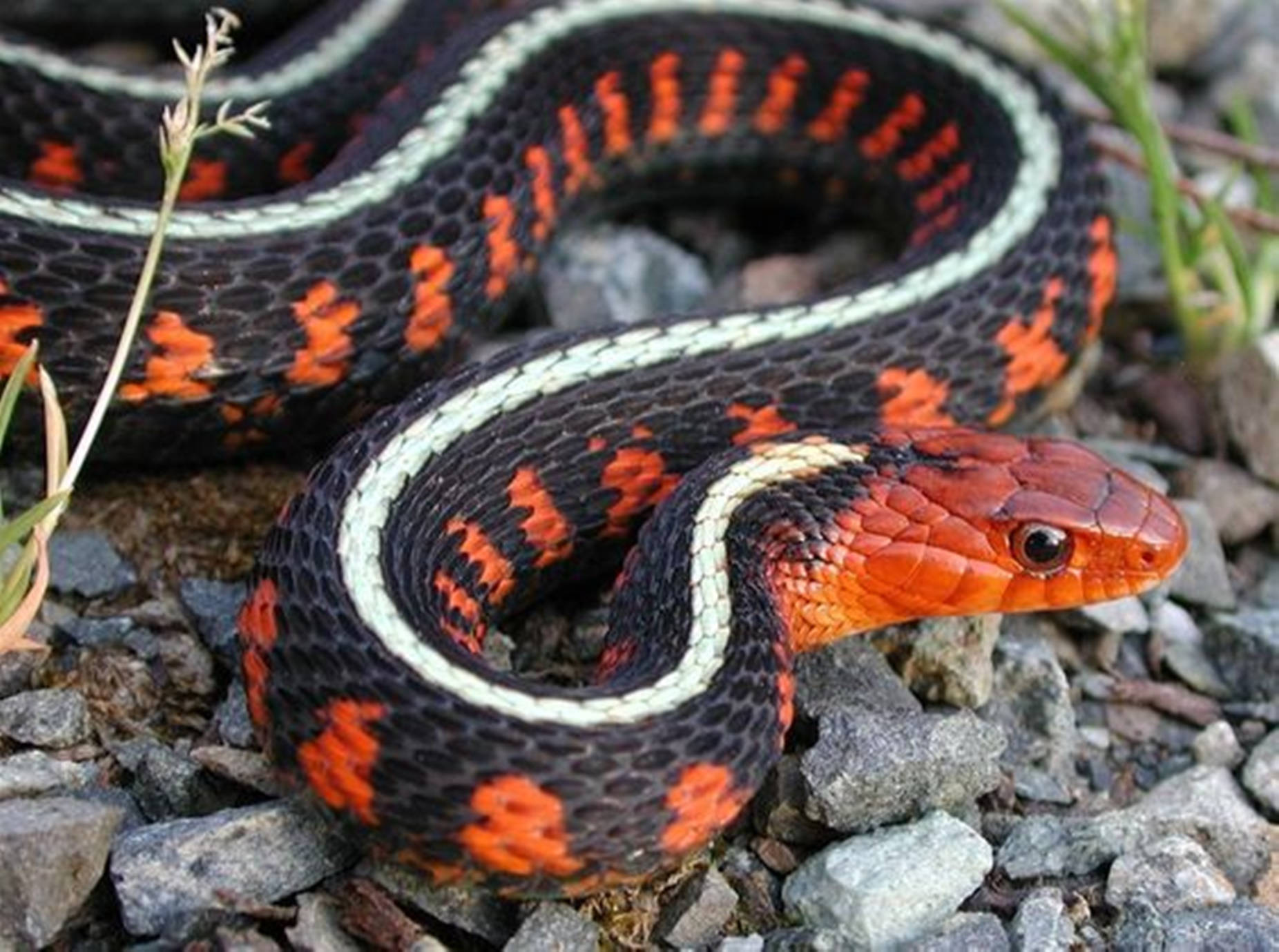
As a snake's sight and hearing is quite limited, you'll see them doing this often. Slow and controlled tongue flicks simply mean your snake is taking in its surroundings. Short, rapid tongue flicks usually indicate something has really grabbed your snake's attention, such as a mouse or other food.
The snake had come up from below, probably curious about where the hole led to. Curiosity is common in reptiles and mammals. The plump snake was easily identified as a Sonoran Gopher snake, Pituophis catenifer affinis. This nonvenomous snake has adapted to living with people very nicely, which is beneficial to us. Back to the tongue.
Snake tongue color. Image via Unsplash The color of a snake's tongue can be a direct reflection of its physical health. In many cases, a healthy snake will have a brightly colored or consistent-toned tongue. Any variation from its usual color, such as unusual redness, paleness, or discoloration, could signal health issues. These changes might indicate stress, infection, or nutritional.
Various snake species have different colored tongues. Some species have dark colored tongues, while others are bright red, blue or cream. In some species -- garter snakes (Thamnophis sirtalis ssp.) provide an excellent example -- the tongue is often red at the base, while the tips are black. Individual variation exists in some species as well, with different specimens exhibiting differently.
Snake Free Stock Photo - Public Domain Pictures

Close relatives: a red tongue with a black tip is found in virtually all garter snake species. This includes the giant garter snake of California, terrestrial garter snake of high altitudes, and eastern ribbon snake of Pennsylvania.
Snake tongue color. Image via Unsplash The color of a snake's tongue can be a direct reflection of its physical health. In many cases, a healthy snake will have a brightly colored or consistent-toned tongue. Any variation from its usual color, such as unusual redness, paleness, or discoloration, could signal health issues. These changes might indicate stress, infection, or nutritional.
Snake colors originate from specialized cells called chromatophores located in their skin. These cells contain pigments that determine the color we see, with melanophores producing black and brown colors, xanthophores creating yellows and reds, and iridophores generating structural colors that create blue, green, and iridescent effects. The distribution and concentration of these.
That's just one example, but I think you get what I mean. (?) Anyhow, some of the selection forces that have created the snakes we are familiar with today may have indirectly caused changes in stages of fetal development which in turn resulted in the wide array of tongue colors between species. I try to write as much in plain English as I can.
Reptile, Snake, Animals Wallpapers HD / Desktop And Mobile Backgrounds
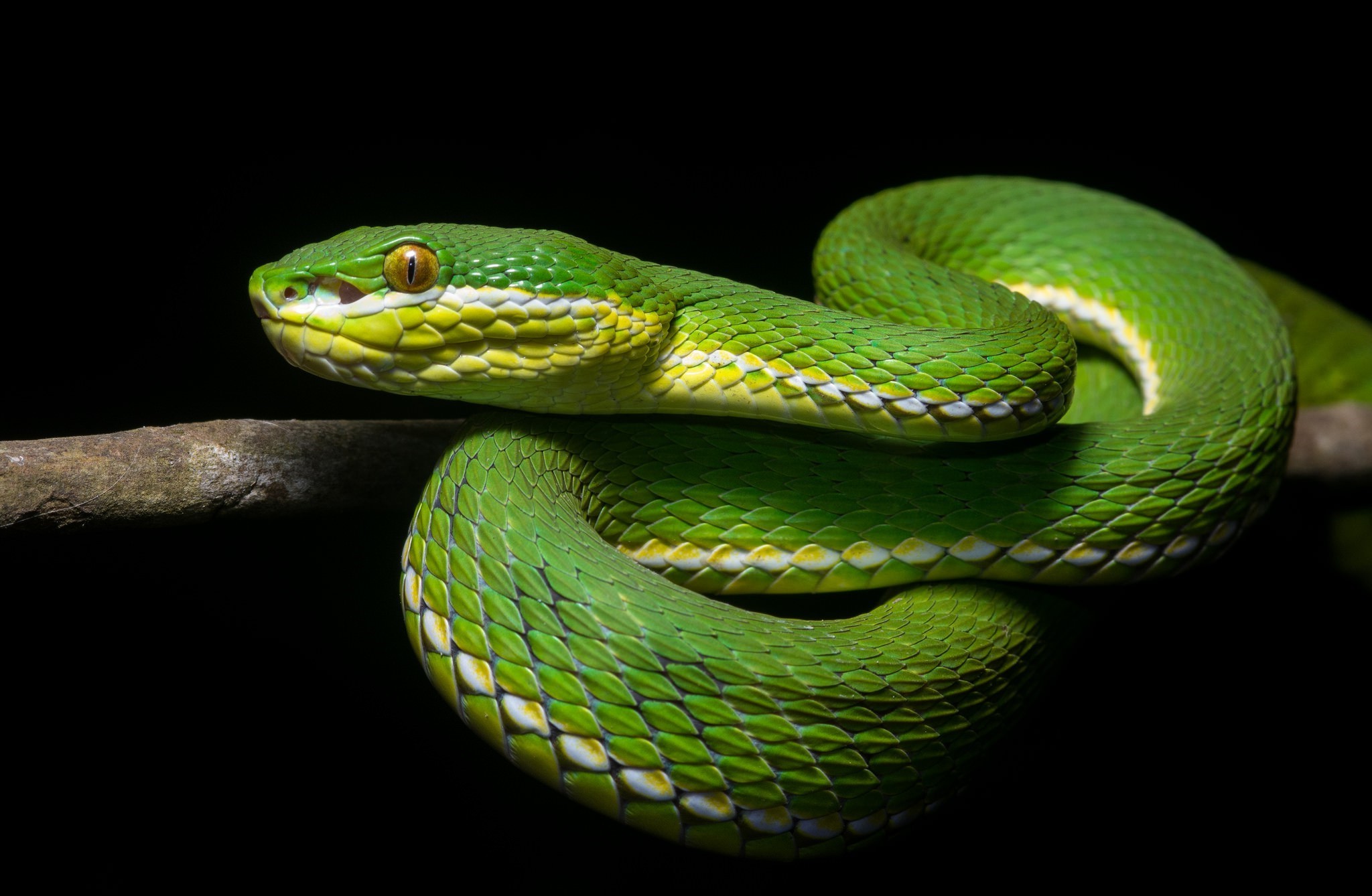
What color is a snakes tongue? Snakes' tongues come in different colors, such as cream, blue, red, and even black! Even more astonishingly, snakes' tongues can sometimes have more than one color. The garter snake, for example, has a red tongue up until the fork part, where it turns black. Many other snakes have multicolored tongues.
Close relatives: a red tongue with a black tip is found in virtually all garter snake species. This includes the giant garter snake of California, terrestrial garter snake of high altitudes, and eastern ribbon snake of Pennsylvania.
Snake tongue color. Image via Unsplash The color of a snake's tongue can be a direct reflection of its physical health. In many cases, a healthy snake will have a brightly colored or consistent-toned tongue. Any variation from its usual color, such as unusual redness, paleness, or discoloration, could signal health issues. These changes might indicate stress, infection, or nutritional.
Tongue colors in snakes I have really hard time finding any published work on the following two questions: 1, What is the significance of different tongue colors in snakes? and 2. While there have been many studies on the role of tongue flicking and collection of data by the tip of forked tongue of snake and its analysis by Jacobson organ, what is the purpose and function of other parts of the.
SNAKES ALIVE: Beautiful New Species Of Rare Burrowing Snake Discovered ...
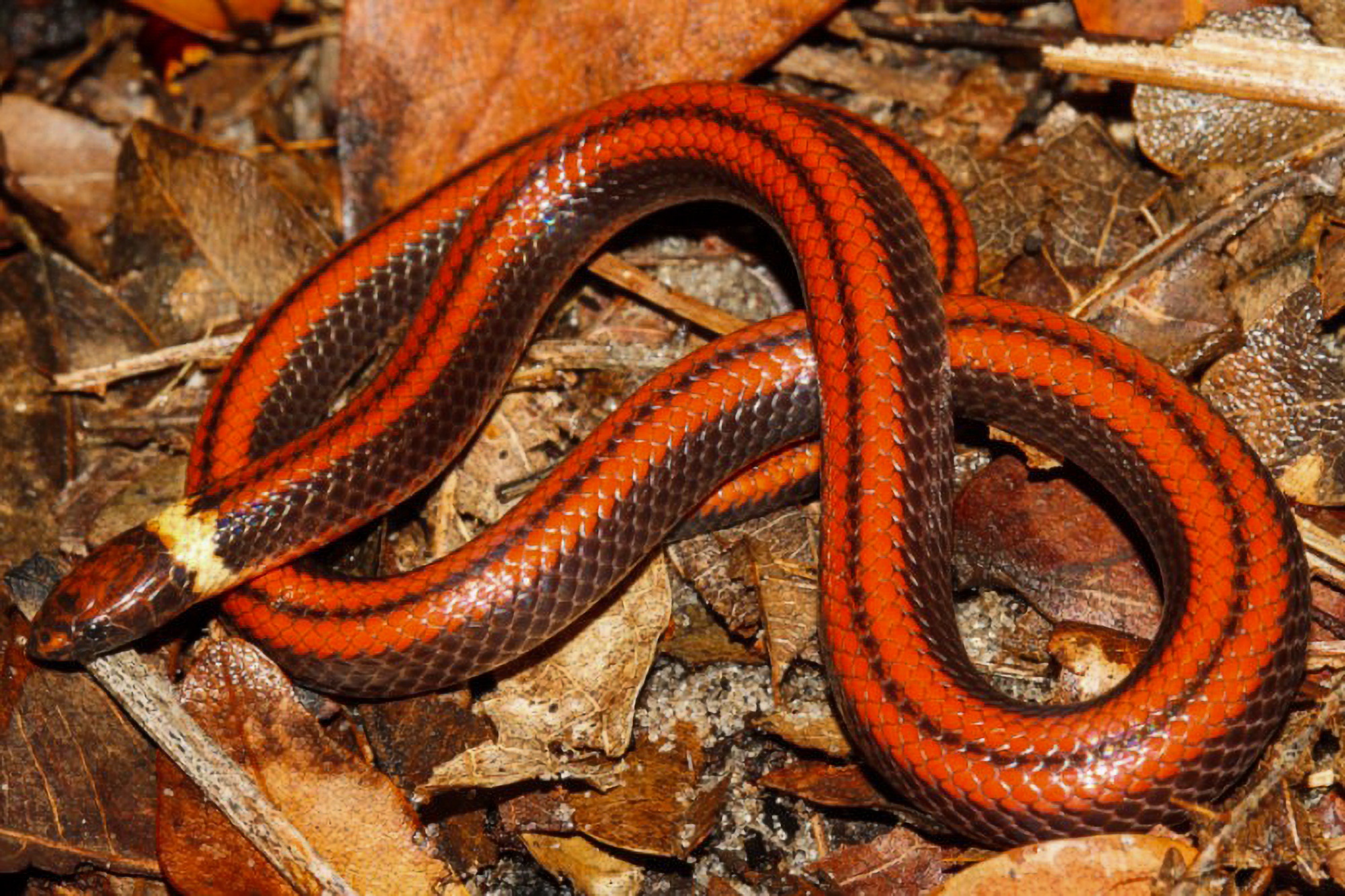
What color is a snakes tongue? Snakes' tongues come in different colors, such as cream, blue, red, and even black! Even more astonishingly, snakes' tongues can sometimes have more than one color. The garter snake, for example, has a red tongue up until the fork part, where it turns black. Many other snakes have multicolored tongues.
That's just one example, but I think you get what I mean. (?) Anyhow, some of the selection forces that have created the snakes we are familiar with today may have indirectly caused changes in stages of fetal development which in turn resulted in the wide array of tongue colors between species. I try to write as much in plain English as I can.
Humans are pretty limited in tongue colors, but this isn't the same for snakes. Snakes' tongues come in different colors, such as cream, blue, red, and even black! Even more astonishingly, snakes' tongues can sometimes have more than one color. The garter snake, for example, has a red tongue up until the fork part, where it turns black.
Tongue colors in snakes I have really hard time finding any published work on the following two questions: 1, What is the significance of different tongue colors in snakes? and 2. While there have been many studies on the role of tongue flicking and collection of data by the tip of forked tongue of snake and its analysis by Jacobson organ, what is the purpose and function of other parts of the.
Snake Pictures

Snake colors originate from specialized cells called chromatophores located in their skin. These cells contain pigments that determine the color we see, with melanophores producing black and brown colors, xanthophores creating yellows and reds, and iridophores generating structural colors that create blue, green, and iridescent effects. The distribution and concentration of these.
Snake tongue color. Image via Unsplash The color of a snake's tongue can be a direct reflection of its physical health. In many cases, a healthy snake will have a brightly colored or consistent-toned tongue. Any variation from its usual color, such as unusual redness, paleness, or discoloration, could signal health issues. These changes might indicate stress, infection, or nutritional.
As a snake's sight and hearing is quite limited, you'll see them doing this often. Slow and controlled tongue flicks simply mean your snake is taking in its surroundings. Short, rapid tongue flicks usually indicate something has really grabbed your snake's attention, such as a mouse or other food.
What color is a snakes tongue? Snakes' tongues come in different colors, such as cream, blue, red, and even black! Even more astonishingly, snakes' tongues can sometimes have more than one color. The garter snake, for example, has a red tongue up until the fork part, where it turns black. Many other snakes have multicolored tongues.
Download A Very Pretty Snake Wallpaper | Wallpapers.com
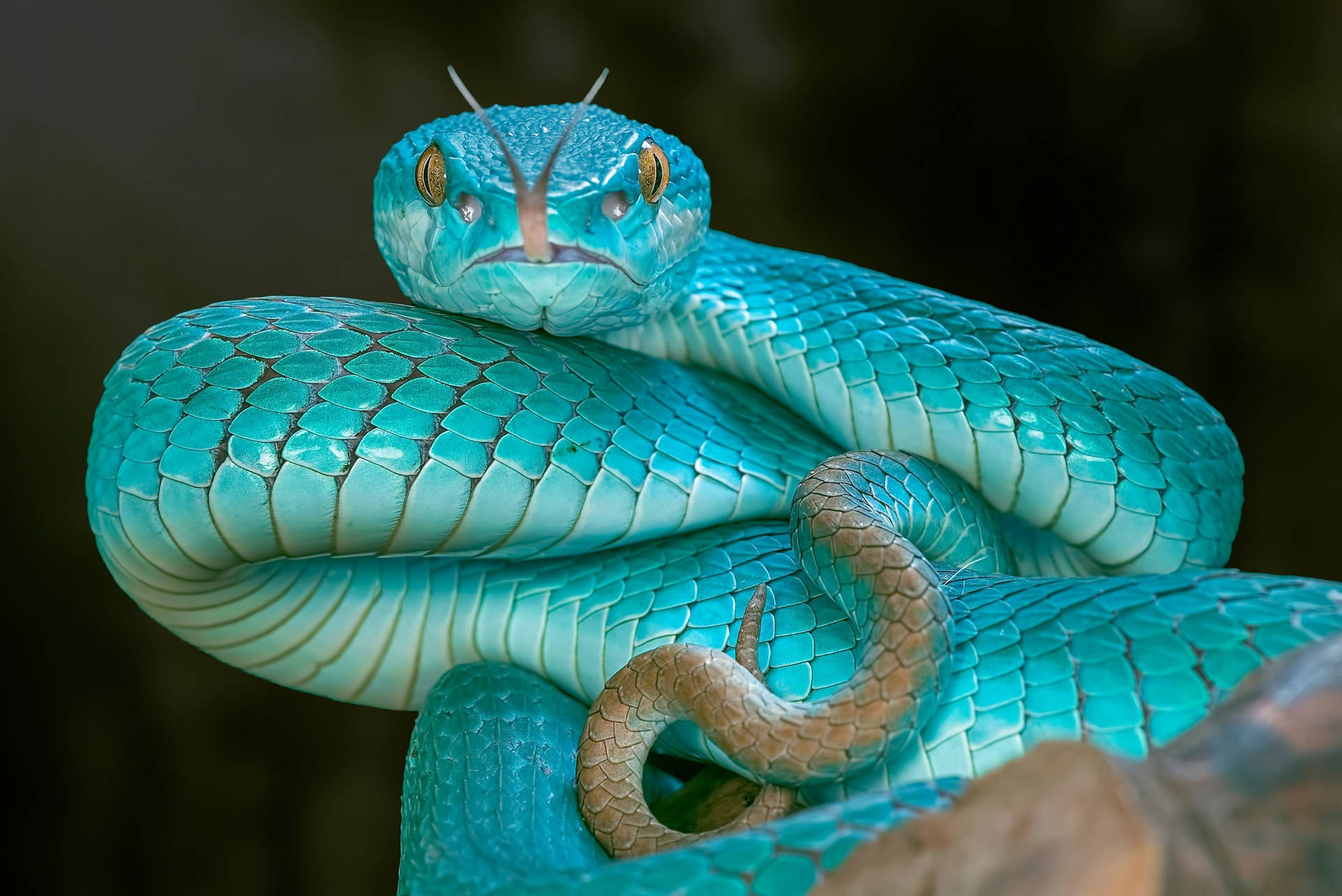
Various snake species have different colored tongues. Some species have dark colored tongues, while others are bright red, blue or cream. In some species -- garter snakes (Thamnophis sirtalis ssp.) provide an excellent example -- the tongue is often red at the base, while the tips are black. Individual variation exists in some species as well, with different specimens exhibiting differently.
Close relatives: a red tongue with a black tip is found in virtually all garter snake species. This includes the giant garter snake of California, terrestrial garter snake of high altitudes, and eastern ribbon snake of Pennsylvania.
What color is a snakes tongue? Snakes' tongues come in different colors, such as cream, blue, red, and even black! Even more astonishingly, snakes' tongues can sometimes have more than one color. The garter snake, for example, has a red tongue up until the fork part, where it turns black. Many other snakes have multicolored tongues.
That's just one example, but I think you get what I mean. (?) Anyhow, some of the selection forces that have created the snakes we are familiar with today may have indirectly caused changes in stages of fetal development which in turn resulted in the wide array of tongue colors between species. I try to write as much in plain English as I can.
The snake had come up from below, probably curious about where the hole led to. Curiosity is common in reptiles and mammals. The plump snake was easily identified as a Sonoran Gopher snake, Pituophis catenifer affinis. This nonvenomous snake has adapted to living with people very nicely, which is beneficial to us. Back to the tongue.
As a snake's sight and hearing is quite limited, you'll see them doing this often. Slow and controlled tongue flicks simply mean your snake is taking in its surroundings. Short, rapid tongue flicks usually indicate something has really grabbed your snake's attention, such as a mouse or other food.
Snake colors originate from specialized cells called chromatophores located in their skin. These cells contain pigments that determine the color we see, with melanophores producing black and brown colors, xanthophores creating yellows and reds, and iridophores generating structural colors that create blue, green, and iridescent effects. The distribution and concentration of these.
Snake tongue color. Image via Unsplash The color of a snake's tongue can be a direct reflection of its physical health. In many cases, a healthy snake will have a brightly colored or consistent-toned tongue. Any variation from its usual color, such as unusual redness, paleness, or discoloration, could signal health issues. These changes might indicate stress, infection, or nutritional.
That's just one example, but I think you get what I mean. (?) Anyhow, some of the selection forces that have created the snakes we are familiar with today may have indirectly caused changes in stages of fetal development which in turn resulted in the wide array of tongue colors between species. I try to write as much in plain English as I can.
Humans are pretty limited in tongue colors, but this isn't the same for snakes. Snakes' tongues come in different colors, such as cream, blue, red, and even black! Even more astonishingly, snakes' tongues can sometimes have more than one color. The garter snake, for example, has a red tongue up until the fork part, where it turns black.
Tongue colors in snakes I have really hard time finding any published work on the following two questions: 1, What is the significance of different tongue colors in snakes? and 2. While there have been many studies on the role of tongue flicking and collection of data by the tip of forked tongue of snake and its analysis by Jacobson organ, what is the purpose and function of other parts of the.
Close relatives: a red tongue with a black tip is found in virtually all garter snake species. This includes the giant garter snake of California, terrestrial garter snake of high altitudes, and eastern ribbon snake of Pennsylvania.
Various snake species have different colored tongues. Some species have dark colored tongues, while others are bright red, blue or cream. In some species -- garter snakes (Thamnophis sirtalis ssp.) provide an excellent example -- the tongue is often red at the base, while the tips are black. Individual variation exists in some species as well, with different specimens exhibiting differently.
What color is a snakes tongue? Snakes' tongues come in different colors, such as cream, blue, red, and even black! Even more astonishingly, snakes' tongues can sometimes have more than one color. The garter snake, for example, has a red tongue up until the fork part, where it turns black. Many other snakes have multicolored tongues.