Spider Colors
Color: the misumenoid flower spiders (Thomisidae) often are brightly colored; while most other thomisid genera and philodromid crab spiders tend to be more subdued combinations of black, gray, white, brown, rust, beige and yellow.
Find spiders by their primary colors and other identifying traits with Spider ID, a comprehensive database of 571 spider species. Browse spiders by color, such as brown, black, red, green, and more, or use the spider taxonomy to explore spiders by genus and family.
Learn about the colorful features and habitats of 53 different spider species, from peacock spiders to lynx spiders. See pictures and facts about these brightly colored arachnids and their courtship displays, diets, and behaviors.
Discover the most beautiful spiders in the world, from the orchard spider with springtime colors to the Hawaiian happy-face spider with a smiley marking. Learn about their habitats, diets, and how they mimic other animals to avoid predators.

Color: the misumenoid flower spiders (Thomisidae) often are brightly colored; while most other thomisid genera and philodromid crab spiders tend to be more subdued combinations of black, gray, white, brown, rust, beige and yellow.
Other spiders adopt colors that blend with their environments. Orchard spiders can be leaf green, with abdomens showing complex designs. Goldenrod crab spiders change color between white and yellow to match flowers, sometimes displaying green. The Golden Silk Spider has an elongated orange or brown abdomen with patterned legs. Some jumping spiders, like the Green Jumping Spider, are bright.
The Diversity of Spider Colors From the iridescent blues and greens of certain orb-web spinners to the dull grays and browns of many cellar spiders, the range of colors that spiders can be is truly astonishing. Let's take a closer look at some of the most striking examples: Bright and Bold Colors Some spiders have evolved bright and bold colors to attract mates, defend territories, or warn.
Learn about the different colors of spiders, from natural pigmentation to structural and guanine colors. See photos and descriptions of common brown, black, grey, red, green and blue spiders.
Rylee Isitt Photography - Grass Spider

Learn about the different colors of spiders, from natural pigmentation to structural and guanine colors. See photos and descriptions of common brown, black, grey, red, green and blue spiders.
The Diversity of Spider Colors From the iridescent blues and greens of certain orb-web spinners to the dull grays and browns of many cellar spiders, the range of colors that spiders can be is truly astonishing. Let's take a closer look at some of the most striking examples: Bright and Bold Colors Some spiders have evolved bright and bold colors to attract mates, defend territories, or warn.
Discover the most beautiful spiders in the world, from the orchard spider with springtime colors to the Hawaiian happy-face spider with a smiley marking. Learn about their habitats, diets, and how they mimic other animals to avoid predators.
Use our Spider Identification Chart to recognize common spider species by size, color, web type, and markings. Perfect for spider enthusiasts, students, and homeowners!
File:Domestic House Spider (9680284979).jpg
.jpg)
Color: the misumenoid flower spiders (Thomisidae) often are brightly colored; while most other thomisid genera and philodromid crab spiders tend to be more subdued combinations of black, gray, white, brown, rust, beige and yellow.
Learn about the colorful features and habitats of 53 different spider species, from peacock spiders to lynx spiders. See pictures and facts about these brightly colored arachnids and their courtship displays, diets, and behaviors.
While spiders often evoke fear or discomfort, the natural world harbors an astonishing variety of arachnids adorned with spectacular colors that rival the most vibrant butterflies or tropical birds. These eight.
Other spiders adopt colors that blend with their environments. Orchard spiders can be leaf green, with abdomens showing complex designs. Goldenrod crab spiders change color between white and yellow to match flowers, sometimes displaying green. The Golden Silk Spider has an elongated orange or brown abdomen with patterned legs. Some jumping spiders, like the Green Jumping Spider, are bright.
Spider-Man In Film - Wikipedia

Color: the misumenoid flower spiders (Thomisidae) often are brightly colored; while most other thomisid genera and philodromid crab spiders tend to be more subdued combinations of black, gray, white, brown, rust, beige and yellow.
Learn about the colorful features and habitats of 53 different spider species, from peacock spiders to lynx spiders. See pictures and facts about these brightly colored arachnids and their courtship displays, diets, and behaviors.
The Diversity of Spider Colors From the iridescent blues and greens of certain orb-web spinners to the dull grays and browns of many cellar spiders, the range of colors that spiders can be is truly astonishing. Let's take a closer look at some of the most striking examples: Bright and Bold Colors Some spiders have evolved bright and bold colors to attract mates, defend territories, or warn.
Spiders are everywhere-from gardens and forests to our own homes. With over 45,000 species found around the world, they come in all shapes, sizes, and colors.
File:Brown Recluse Spider, Loxosceles Reclusa.jpg - Wikimedia Commons

Other spiders adopt colors that blend with their environments. Orchard spiders can be leaf green, with abdomens showing complex designs. Goldenrod crab spiders change color between white and yellow to match flowers, sometimes displaying green. The Golden Silk Spider has an elongated orange or brown abdomen with patterned legs. Some jumping spiders, like the Green Jumping Spider, are bright.
While spiders often evoke fear or discomfort, the natural world harbors an astonishing variety of arachnids adorned with spectacular colors that rival the most vibrant butterflies or tropical birds. These eight.
Color: the misumenoid flower spiders (Thomisidae) often are brightly colored; while most other thomisid genera and philodromid crab spiders tend to be more subdued combinations of black, gray, white, brown, rust, beige and yellow.
Spiders are everywhere-from gardens and forests to our own homes. With over 45,000 species found around the world, they come in all shapes, sizes, and colors.
File:Lace Webbed Spider, Amaurobius Similis, 2009.jpg - Wikimedia Commons
Learn about the colorful features and habitats of 53 different spider species, from peacock spiders to lynx spiders. See pictures and facts about these brightly colored arachnids and their courtship displays, diets, and behaviors.
While spiders often evoke fear or discomfort, the natural world harbors an astonishing variety of arachnids adorned with spectacular colors that rival the most vibrant butterflies or tropical birds. These eight.
Find spiders by their primary colors and other identifying traits with Spider ID, a comprehensive database of 571 spider species. Browse spiders by color, such as brown, black, red, green, and more, or use the spider taxonomy to explore spiders by genus and family.
Learn about the different colors of spiders, from natural pigmentation to structural and guanine colors. See photos and descriptions of common brown, black, grey, red, green and blue spiders.
Opisthothelae - Wikipedia

Color: the misumenoid flower spiders (Thomisidae) often are brightly colored; while most other thomisid genera and philodromid crab spiders tend to be more subdued combinations of black, gray, white, brown, rust, beige and yellow.
The Diversity of Spider Colors From the iridescent blues and greens of certain orb-web spinners to the dull grays and browns of many cellar spiders, the range of colors that spiders can be is truly astonishing. Let's take a closer look at some of the most striking examples: Bright and Bold Colors Some spiders have evolved bright and bold colors to attract mates, defend territories, or warn.
Use our Spider Identification Chart to recognize common spider species by size, color, web type, and markings. Perfect for spider enthusiasts, students, and homeowners!
Spiders are everywhere-from gardens and forests to our own homes. With over 45,000 species found around the world, they come in all shapes, sizes, and colors.
File:Jumping Spider.jpg - Wikipedia

While spiders often evoke fear or discomfort, the natural world harbors an astonishing variety of arachnids adorned with spectacular colors that rival the most vibrant butterflies or tropical birds. These eight.
Other spiders adopt colors that blend with their environments. Orchard spiders can be leaf green, with abdomens showing complex designs. Goldenrod crab spiders change color between white and yellow to match flowers, sometimes displaying green. The Golden Silk Spider has an elongated orange or brown abdomen with patterned legs. Some jumping spiders, like the Green Jumping Spider, are bright.
Learn about the colorful features and habitats of 53 different spider species, from peacock spiders to lynx spiders. See pictures and facts about these brightly colored arachnids and their courtship displays, diets, and behaviors.
Find spiders by their primary colors and other identifying traits with Spider ID, a comprehensive database of 571 spider species. Browse spiders by color, such as brown, black, red, green, and more, or use the spider taxonomy to explore spiders by genus and family.
File:Huntsman Spider 01.jpg - Wikimedia Commons

Other spiders adopt colors that blend with their environments. Orchard spiders can be leaf green, with abdomens showing complex designs. Goldenrod crab spiders change color between white and yellow to match flowers, sometimes displaying green. The Golden Silk Spider has an elongated orange or brown abdomen with patterned legs. Some jumping spiders, like the Green Jumping Spider, are bright.
Color: the misumenoid flower spiders (Thomisidae) often are brightly colored; while most other thomisid genera and philodromid crab spiders tend to be more subdued combinations of black, gray, white, brown, rust, beige and yellow.
The Diversity of Spider Colors From the iridescent blues and greens of certain orb-web spinners to the dull grays and browns of many cellar spiders, the range of colors that spiders can be is truly astonishing. Let's take a closer look at some of the most striking examples: Bright and Bold Colors Some spiders have evolved bright and bold colors to attract mates, defend territories, or warn.
Learn about the colorful features and habitats of 53 different spider species, from peacock spiders to lynx spiders. See pictures and facts about these brightly colored arachnids and their courtship displays, diets, and behaviors.
File:Color Band (Spider).jpg - Wikimedia Commons
.jpg)
Use our Spider Identification Chart to recognize common spider species by size, color, web type, and markings. Perfect for spider enthusiasts, students, and homeowners!
Learn about the colorful features and habitats of 53 different spider species, from peacock spiders to lynx spiders. See pictures and facts about these brightly colored arachnids and their courtship displays, diets, and behaviors.
Learn about the different colors of spiders, from natural pigmentation to structural and guanine colors. See photos and descriptions of common brown, black, grey, red, green and blue spiders.
Other spiders adopt colors that blend with their environments. Orchard spiders can be leaf green, with abdomens showing complex designs. Goldenrod crab spiders change color between white and yellow to match flowers, sometimes displaying green. The Golden Silk Spider has an elongated orange or brown abdomen with patterned legs. Some jumping spiders, like the Green Jumping Spider, are bright.
Spider-Woman (Gwen Stacy) - Wikipedia

While spiders often evoke fear or discomfort, the natural world harbors an astonishing variety of arachnids adorned with spectacular colors that rival the most vibrant butterflies or tropical birds. These eight.
Learn about the different colors of spiders, from natural pigmentation to structural and guanine colors. See photos and descriptions of common brown, black, grey, red, green and blue spiders.
Use our Spider Identification Chart to recognize common spider species by size, color, web type, and markings. Perfect for spider enthusiasts, students, and homeowners!
Other spiders adopt colors that blend with their environments. Orchard spiders can be leaf green, with abdomens showing complex designs. Goldenrod crab spiders change color between white and yellow to match flowers, sometimes displaying green. The Golden Silk Spider has an elongated orange or brown abdomen with patterned legs. Some jumping spiders, like the Green Jumping Spider, are bright.

Discover the most beautiful spiders in the world, from the orchard spider with springtime colors to the Hawaiian happy-face spider with a smiley marking. Learn about their habitats, diets, and how they mimic other animals to avoid predators.
Other spiders adopt colors that blend with their environments. Orchard spiders can be leaf green, with abdomens showing complex designs. Goldenrod crab spiders change color between white and yellow to match flowers, sometimes displaying green. The Golden Silk Spider has an elongated orange or brown abdomen with patterned legs. Some jumping spiders, like the Green Jumping Spider, are bright.
Learn about the colorful features and habitats of 53 different spider species, from peacock spiders to lynx spiders. See pictures and facts about these brightly colored arachnids and their courtship displays, diets, and behaviors.
Learn about the different colors of spiders, from natural pigmentation to structural and guanine colors. See photos and descriptions of common brown, black, grey, red, green and blue spiders.
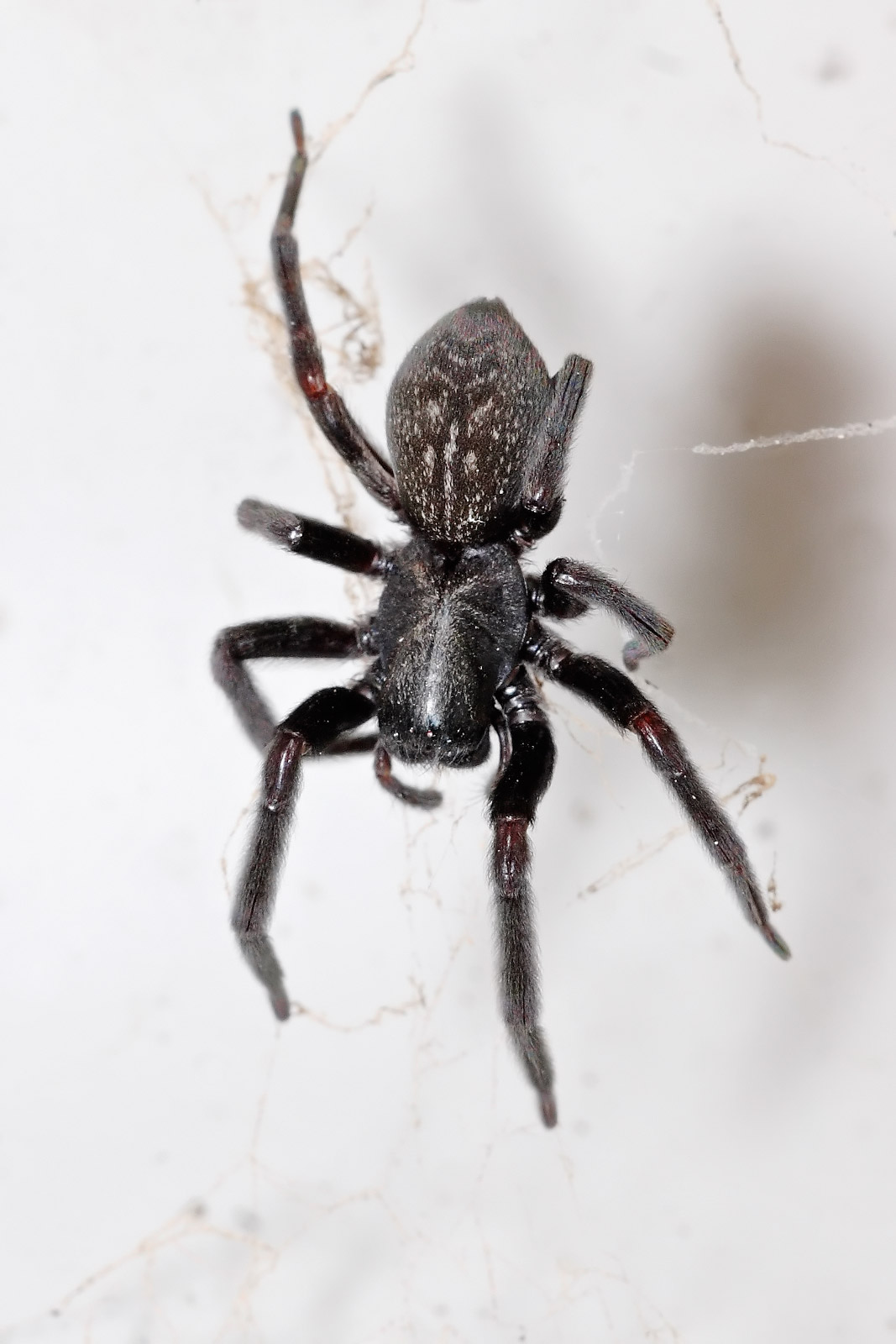
The Diversity of Spider Colors From the iridescent blues and greens of certain orb-web spinners to the dull grays and browns of many cellar spiders, the range of colors that spiders can be is truly astonishing. Let's take a closer look at some of the most striking examples: Bright and Bold Colors Some spiders have evolved bright and bold colors to attract mates, defend territories, or warn.
Find spiders by their primary colors and other identifying traits with Spider ID, a comprehensive database of 571 spider species. Browse spiders by color, such as brown, black, red, green, and more, or use the spider taxonomy to explore spiders by genus and family.
Use our Spider Identification Chart to recognize common spider species by size, color, web type, and markings. Perfect for spider enthusiasts, students, and homeowners!
Learn about the colorful features and habitats of 53 different spider species, from peacock spiders to lynx spiders. See pictures and facts about these brightly colored arachnids and their courtship displays, diets, and behaviors.
Code Cop: September 2015
While spiders often evoke fear or discomfort, the natural world harbors an astonishing variety of arachnids adorned with spectacular colors that rival the most vibrant butterflies or tropical birds. These eight.
Spiders are everywhere-from gardens and forests to our own homes. With over 45,000 species found around the world, they come in all shapes, sizes, and colors.
Color: the misumenoid flower spiders (Thomisidae) often are brightly colored; while most other thomisid genera and philodromid crab spiders tend to be more subdued combinations of black, gray, white, brown, rust, beige and yellow.
Other spiders adopt colors that blend with their environments. Orchard spiders can be leaf green, with abdomens showing complex designs. Goldenrod crab spiders change color between white and yellow to match flowers, sometimes displaying green. The Golden Silk Spider has an elongated orange or brown abdomen with patterned legs. Some jumping spiders, like the Green Jumping Spider, are bright.
File:Black House Spider.jpg - Wikimedia Commons
Learn about the different colors of spiders, from natural pigmentation to structural and guanine colors. See photos and descriptions of common brown, black, grey, red, green and blue spiders.
Other spiders adopt colors that blend with their environments. Orchard spiders can be leaf green, with abdomens showing complex designs. Goldenrod crab spiders change color between white and yellow to match flowers, sometimes displaying green. The Golden Silk Spider has an elongated orange or brown abdomen with patterned legs. Some jumping spiders, like the Green Jumping Spider, are bright.
Discover the most beautiful spiders in the world, from the orchard spider with springtime colors to the Hawaiian happy-face spider with a smiley marking. Learn about their habitats, diets, and how they mimic other animals to avoid predators.
Spiders are everywhere-from gardens and forests to our own homes. With over 45,000 species found around the world, they come in all shapes, sizes, and colors.
Find spiders by their primary colors and other identifying traits with Spider ID, a comprehensive database of 571 spider species. Browse spiders by color, such as brown, black, red, green, and more, or use the spider taxonomy to explore spiders by genus and family.
Spiders are everywhere-from gardens and forests to our own homes. With over 45,000 species found around the world, they come in all shapes, sizes, and colors.
Discover the most beautiful spiders in the world, from the orchard spider with springtime colors to the Hawaiian happy-face spider with a smiley marking. Learn about their habitats, diets, and how they mimic other animals to avoid predators.
Color: the misumenoid flower spiders (Thomisidae) often are brightly colored; while most other thomisid genera and philodromid crab spiders tend to be more subdued combinations of black, gray, white, brown, rust, beige and yellow.
The Diversity of Spider Colors From the iridescent blues and greens of certain orb-web spinners to the dull grays and browns of many cellar spiders, the range of colors that spiders can be is truly astonishing. Let's take a closer look at some of the most striking examples: Bright and Bold Colors Some spiders have evolved bright and bold colors to attract mates, defend territories, or warn.
Use our Spider Identification Chart to recognize common spider species by size, color, web type, and markings. Perfect for spider enthusiasts, students, and homeowners!
Other spiders adopt colors that blend with their environments. Orchard spiders can be leaf green, with abdomens showing complex designs. Goldenrod crab spiders change color between white and yellow to match flowers, sometimes displaying green. The Golden Silk Spider has an elongated orange or brown abdomen with patterned legs. Some jumping spiders, like the Green Jumping Spider, are bright.
While spiders often evoke fear or discomfort, the natural world harbors an astonishing variety of arachnids adorned with spectacular colors that rival the most vibrant butterflies or tropical birds. These eight.
Learn about the colorful features and habitats of 53 different spider species, from peacock spiders to lynx spiders. See pictures and facts about these brightly colored arachnids and their courtship displays, diets, and behaviors.
Learn about the different colors of spiders, from natural pigmentation to structural and guanine colors. See photos and descriptions of common brown, black, grey, red, green and blue spiders.