What Is Rvs Negative
Getting a nonreactive result from an HIV test does not necessarily mean a person has tested negative. here.
An RSV test is used to diagnose respiratory syncytial virus (RSV). RSV is an infection in your airways. It's usually not serious, but symptoms can be much more severe in young children, older.
Respiratory syncytial virus (RSV) usually causes mild, cold.
RSV tests include nasal swabs or blood tests to detect the virus's genetic material or antibodies, but rapid tests provide quick results.
The 5-min USO Daily RV, Negative Return, Daily Intraday Jump (LM ...

Respiratory syncytial virus (RSV) usually causes mild, cold.
Respiratory syncytial virus (RSV), [a] also called human respiratory syncytial virus (hRSV) and human orthopneumovirus, is a virus that causes infections of the respiratory tract. It is a negative-sense, single-stranded RNA virus. [2] Its name is derived from the large, multinucleated cells known as syncytia that form when infected cells fuse. [2][3] RSV is a common cause of respiratory.
Respiratory syncytial virus (RSV): What to know, including symptoms, how to know when it's serious, who has a high risk, treatment, prevention, and more.
RSV tests include nasal swabs or blood tests to detect the virus's genetic material or antibodies, but rapid tests provide quick results.
Determine Your RV's Resale Value

Getting a nonreactive result from an HIV test does not necessarily mean a person has tested negative. here.
Respiratory syncytial virus (RSV), [a] also called human respiratory syncytial virus (hRSV) and human orthopneumovirus, is a virus that causes infections of the respiratory tract. It is a negative-sense, single-stranded RNA virus. [2] Its name is derived from the large, multinucleated cells known as syncytia that form when infected cells fuse. [2][3] RSV is a common cause of respiratory.
Respiratory syncytial virus (RSV) usually causes mild, cold.
Getting an RSV diagnosis typically includes visting a healthcare provider for a physical exam and testing to rule out similar infections..
10 A 12-lead ECG Showing RV Apical Pacing With Negative QRS Complexes ...

Getting an RSV diagnosis typically includes visting a healthcare provider for a physical exam and testing to rule out similar infections..
RSV tests include nasal swabs or blood tests to detect the virus's genetic material or antibodies, but rapid tests provide quick results.
Getting a nonreactive result from an HIV test does not necessarily mean a person has tested negative. here.
An RSV test is used to diagnose respiratory syncytial virus (RSV). RSV is an infection in your airways. It's usually not serious, but symptoms can be much more severe in young children, older.
How To & Guides - ElectronicsHub

Respiratory syncytial virus (RSV): What to know, including symptoms, how to know when it's serious, who has a high risk, treatment, prevention, and more.
Getting an RSV diagnosis typically includes visting a healthcare provider for a physical exam and testing to rule out similar infections..
Getting a nonreactive result from an HIV test does not necessarily mean a person has tested negative. here.
RSV tests include nasal swabs or blood tests to detect the virus's genetic material or antibodies, but rapid tests provide quick results.
Clinical Characteristics And Consequences Of AGE Overall And In RV ...

Respiratory syncytial virus (RSV), [a] also called human respiratory syncytial virus (hRSV) and human orthopneumovirus, is a virus that causes infections of the respiratory tract. It is a negative-sense, single-stranded RNA virus. [2] Its name is derived from the large, multinucleated cells known as syncytia that form when infected cells fuse. [2][3] RSV is a common cause of respiratory.
Respiratory syncytial virus (RSV): What to know, including symptoms, how to know when it's serious, who has a high risk, treatment, prevention, and more.
A non-reactive RVS test means that the individual tested does not have detectable antibodies for HIV, indicating a negative result. It suggests that there is no current HIV infection present.
RSV tests include nasal swabs or blood tests to detect the virus's genetic material or antibodies, but rapid tests provide quick results.

An RSV test is used to diagnose respiratory syncytial virus (RSV). RSV is an infection in your airways. It's usually not serious, but symptoms can be much more severe in young children, older.
The respiratory syncytial virus (RSV) antibody test is a blood test that measures the levels of antibodies (immunoglobulins) the body makes after an infection with RSV.
Respiratory syncytial virus (RSV) usually causes mild, cold.
Getting a nonreactive result from an HIV test does not necessarily mean a person has tested negative. here.
| The Cumulative Monthly Numbers Of RV-positive And RV-negative ...

A non-reactive RVS test means that the individual tested does not have detectable antibodies for HIV, indicating a negative result. It suggests that there is no current HIV infection present.
The respiratory syncytial virus (RSV) antibody test is a blood test that measures the levels of antibodies (immunoglobulins) the body makes after an infection with RSV.
An RSV test is used to diagnose respiratory syncytial virus (RSV). RSV is an infection in your airways. It's usually not serious, but symptoms can be much more severe in young children, older.
Respiratory syncytial virus (RSV): What to know, including symptoms, how to know when it's serious, who has a high risk, treatment, prevention, and more.
Pathophysiology Of Right Ventricular (RV) Failure. - Ppt Download
+failure..jpg)
Respiratory syncytial virus (RSV), [a] also called human respiratory syncytial virus (hRSV) and human orthopneumovirus, is a virus that causes infections of the respiratory tract. It is a negative-sense, single-stranded RNA virus. [2] Its name is derived from the large, multinucleated cells known as syncytia that form when infected cells fuse. [2][3] RSV is a common cause of respiratory.
Getting a nonreactive result from an HIV test does not necessarily mean a person has tested negative. here.
The respiratory syncytial virus (RSV) antibody test is a blood test that measures the levels of antibodies (immunoglobulins) the body makes after an infection with RSV.
Respiratory syncytial virus (RSV) usually causes mild, cold.
What Does RV Stand For? The Most Popular RV Types - MOTM

An RSV test is used to diagnose respiratory syncytial virus (RSV). RSV is an infection in your airways. It's usually not serious, but symptoms can be much more severe in young children, older.
Getting a nonreactive result from an HIV test does not necessarily mean a person has tested negative. here.
Respiratory syncytial virus (RSV): What to know, including symptoms, how to know when it's serious, who has a high risk, treatment, prevention, and more.
RSV tests include nasal swabs or blood tests to detect the virus's genetic material or antibodies, but rapid tests provide quick results.
How Long Is The Warranty On A Forest River?

Getting an RSV diagnosis typically includes visting a healthcare provider for a physical exam and testing to rule out similar infections..
Respiratory syncytial virus (RSV), [a] also called human respiratory syncytial virus (hRSV) and human orthopneumovirus, is a virus that causes infections of the respiratory tract. It is a negative-sense, single-stranded RNA virus. [2] Its name is derived from the large, multinucleated cells known as syncytia that form when infected cells fuse. [2][3] RSV is a common cause of respiratory.
A non-reactive RVS test means that the individual tested does not have detectable antibodies for HIV, indicating a negative result. It suggests that there is no current HIV infection present.
RSV tests include nasal swabs or blood tests to detect the virus's genetic material or antibodies, but rapid tests provide quick results.
Bent Axle? My Tires On My Rear Trailer Axle Both Have Negative Camber ...

An RSV test is used to diagnose respiratory syncytial virus (RSV). RSV is an infection in your airways. It's usually not serious, but symptoms can be much more severe in young children, older.
Getting an RSV diagnosis typically includes visting a healthcare provider for a physical exam and testing to rule out similar infections..
Respiratory syncytial virus (RSV) usually causes mild, cold.
What is an RSV test? RSV stands for respiratory syncytial virus. It is a viral infection that affects the respiratory tract. Your respiratory tract includes your lungs, nose, and throat. RSV testing checks a fluid sample from your nose to see if the virus is in your body and causing symptoms of a respiratory infection. RSV is very contagious, which means it spreads easily from person to person.

Respiratory syncytial virus (RSV), [a] also called human respiratory syncytial virus (hRSV) and human orthopneumovirus, is a virus that causes infections of the respiratory tract. It is a negative-sense, single-stranded RNA virus. [2] Its name is derived from the large, multinucleated cells known as syncytia that form when infected cells fuse. [2][3] RSV is a common cause of respiratory.
A non-reactive RVS test means that the individual tested does not have detectable antibodies for HIV, indicating a negative result. It suggests that there is no current HIV infection present.
Respiratory syncytial virus (RSV): What to know, including symptoms, how to know when it's serious, who has a high risk, treatment, prevention, and more.
RSV tests include nasal swabs or blood tests to detect the virus's genetic material or antibodies, but rapid tests provide quick results.
Ch3.5 Hypergeometric Distribution - Ppt Download
+is.+x+%3D+0%2C+1%2C+2%2C+….jpg)
Getting an RSV diagnosis typically includes visting a healthcare provider for a physical exam and testing to rule out similar infections..
Getting a nonreactive result from an HIV test does not necessarily mean a person has tested negative. here.
RSV tests include nasal swabs or blood tests to detect the virus's genetic material or antibodies, but rapid tests provide quick results.
The respiratory syncytial virus (RSV) antibody test is a blood test that measures the levels of antibodies (immunoglobulins) the body makes after an infection with RSV.
Most Common RV Issues And How To Solve Them - AnnMarie John
What is an RSV test? RSV stands for respiratory syncytial virus. It is a viral infection that affects the respiratory tract. Your respiratory tract includes your lungs, nose, and throat. RSV testing checks a fluid sample from your nose to see if the virus is in your body and causing symptoms of a respiratory infection. RSV is very contagious, which means it spreads easily from person to person.
Respiratory syncytial virus (RSV), [a] also called human respiratory syncytial virus (hRSV) and human orthopneumovirus, is a virus that causes infections of the respiratory tract. It is a negative-sense, single-stranded RNA virus. [2] Its name is derived from the large, multinucleated cells known as syncytia that form when infected cells fuse. [2][3] RSV is a common cause of respiratory.
RSV tests include nasal swabs or blood tests to detect the virus's genetic material or antibodies, but rapid tests provide quick results.
The respiratory syncytial virus (RSV) antibody test is a blood test that measures the levels of antibodies (immunoglobulins) the body makes after an infection with RSV.
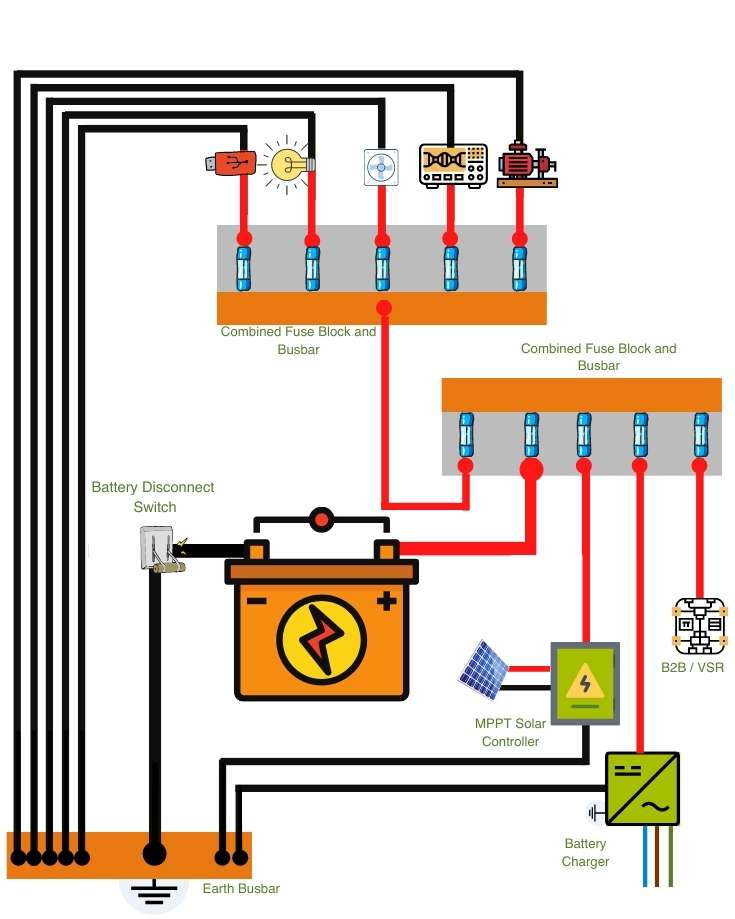
RV Battery Disconnect Switch: Ultimate Guide For Easy Power Management
RSV tests include nasal swabs or blood tests to detect the virus's genetic material or antibodies, but rapid tests provide quick results.
The respiratory syncytial virus (RSV) antibody test is a blood test that measures the levels of antibodies (immunoglobulins) the body makes after an infection with RSV.
Getting an RSV diagnosis typically includes visting a healthcare provider for a physical exam and testing to rule out similar infections..
Respiratory syncytial virus (RSV) usually causes mild, cold.
An RSV test is used to diagnose respiratory syncytial virus (RSV). RSV is an infection in your airways. It's usually not serious, but symptoms can be much more severe in young children, older.
The respiratory syncytial virus (RSV) antibody test is a blood test that measures the levels of antibodies (immunoglobulins) the body makes after an infection with RSV.
Respiratory syncytial virus (RSV): What to know, including symptoms, how to know when it's serious, who has a high risk, treatment, prevention, and more.
What is an RSV test? RSV stands for respiratory syncytial virus. It is a viral infection that affects the respiratory tract. Your respiratory tract includes your lungs, nose, and throat. RSV testing checks a fluid sample from your nose to see if the virus is in your body and causing symptoms of a respiratory infection. RSV is very contagious, which means it spreads easily from person to person.
Getting an RSV diagnosis typically includes visting a healthcare provider for a physical exam and testing to rule out similar infections..
RSV tests include nasal swabs or blood tests to detect the virus's genetic material or antibodies, but rapid tests provide quick results.
Getting a nonreactive result from an HIV test does not necessarily mean a person has tested negative. here.
Respiratory syncytial virus (RSV) usually causes mild, cold.
A non-reactive RVS test means that the individual tested does not have detectable antibodies for HIV, indicating a negative result. It suggests that there is no current HIV infection present.
Respiratory syncytial virus (RSV), [a] also called human respiratory syncytial virus (hRSV) and human orthopneumovirus, is a virus that causes infections of the respiratory tract. It is a negative-sense, single-stranded RNA virus. [2] Its name is derived from the large, multinucleated cells known as syncytia that form when infected cells fuse. [2][3] RSV is a common cause of respiratory.